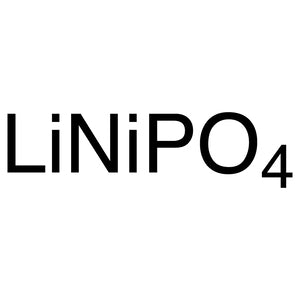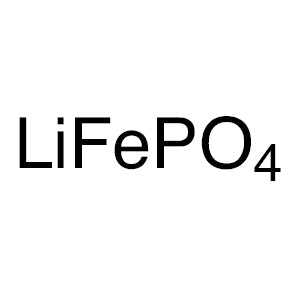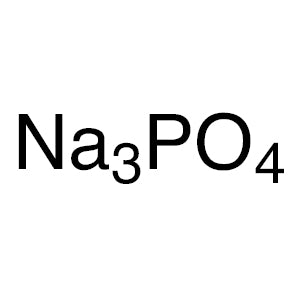
Sodium Phosphate TCI O0586, with the CAS number 7601-54-9, is a versatile inorganic chemical widely used in laboratory settings. As a metallic salt, it plays a critical role in catalytic processes and inorganic chemistry experiments. Its ability to act as a buffer and pH regulator makes it an essential component in maintaining stable chemical environments during various analytical procedures. This compound is commonly found in both qualitative and quantitative chemical analyses, supporting a wide range of experimental needs.
One of the key properties that make Sodium Phosphate a preferred choice is its chemical stability and solubility in water. These characteristics allow it to be easily incorporated into different experimental setups without undergoing unwanted reactions. Its high solubility also facilitates the preparation of solutions with precise concentrations, which is crucial for accurate laboratory results. Additionally, its inert nature ensures that it does not interfere with other reagents, making it a reliable and safe choice for laboratory use.
In Indonesian laboratories, Sodium Phosphate is extensively used in educational institutions and research facilities. It is commonly found in biochemistry and analytical chemistry departments, where it supports the preparation of buffer solutions and pH-controlled environments. Its reliability and ease of use make it a staple in both teaching and research laboratories across Indonesia.
TCI brochures (PDF)
- Sodium Electrolytes 2025-09-19 · p. 1
- Metallic Salts 2025-11-06 · p. 8
Related TCI products
- TCI T3998 115281-28-2 Potassium Phosphate Hydrate
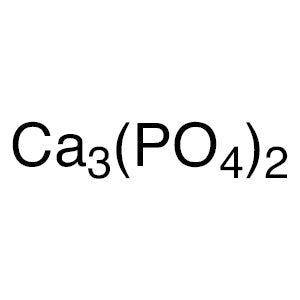
- TCI C3736 7758-87-4 Calcium Phosphate
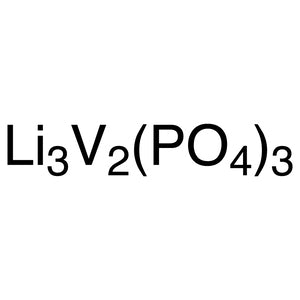
- TCI L0417 84159-18-2 Lithium Vanadium Phosphate (Li3V2(PO4)3)
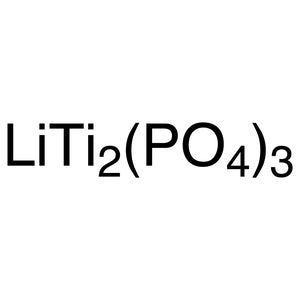
- TCI L0416 30622-39-0 Lithium Titanium Phosphate (LiTi2(PO4)3)
- TCI L0409 120479-61-0 Lithium Aluminum Titanium Phosphate (Li13Al03Ti17(PO4)3)
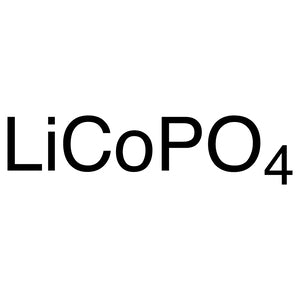
- TCI L0407 13824-63-0 Lithium Cobalt(II) Phosphate
- Buffer Solution Preparation: Sodium Phosphate is ideal for creating buffer solutions due to its ability to maintain stable pH levels, which is essential in biochemical and analytical experiments.
- pH Regulation in Reactions: It is used to adjust and maintain the pH of chemical reactions, ensuring optimal conditions for enzymatic activity and other reaction mechanisms.
- Quantitative Analysis: Its solubility and stability make it suitable for use in titration and other quantitative analytical techniques.
- Synthesis of Inorganic Compounds: Sodium Phosphate serves as a reagent in the synthesis of various inorganic compounds, contributing to the formation of new materials.
- Stabilization of Laboratory Solutions: It helps in maintaining the stability of solutions over time, preventing unwanted chemical changes during storage and use.
| Brand | TCI |
|---|---|
| CAS number | 7601-54-9 |
| Molecular formula | — |
| Purity | — |
| Category | Chemistry > Catalysis and Inorganic Chemistry > Metallic Salts |
| Pack sizes | Available in various sizes as per supplier specifications |
| Physical form | Powder |
| Storage | Store in a cool, dry place away from moisture and direct sunlight |
Sodium Phosphate should be stored in a cool, dry place, away from moisture and direct sunlight to maintain its chemical stability. It is recommended to use airtight containers to prevent exposure to humidity, which could affect its solubility and purity. As an inorganic salt, it is generally non-hazardous, but standard laboratory safety practices should be followed when handling. Avoid contact with incompatible substances, and ensure proper ventilation in the workspace. Its inert nature makes it relatively safe to handle, but care should still be taken during preparation and use to ensure a controlled and stable laboratory environment.
—
Produk Terkait
-
PotassiumPhosphateHydrate TCI T3998
Regular price From Rp 477.750,00Regular price -
CalciumPhosphate TCI C3736
Regular price From Rp 505.050,00Regular price -
LithiumVanadiumPhosphate(Li3V2(PO4)3) TCI L0417
Regular price From Rp 3.683.400,00Regular price -
LithiumTitaniumPhosphate(LiTi2(PO4)3) TCI L0416
Regular price From Rp 3.870.300,00Regular price -
LithiumAluminumTitaniumPhosphate(Li13Al03Ti17(PO4)3) TCI L0409
Regular price From Rp 2.359.350,00Regular price -
LithiumCobalt(II)Phosphate TCI L0407
Regular price From Rp 2.411.850,00Regular price -
LithiumNickel(II)Phosphate TCI L0402
Regular price From Rp 1.856.400,00Regular price -
LithiumIron(II)Phosphate,Carbon-coated TCI L0386
Regular price From Rp 4.001.550,00Regular price