Sodium Metaphosphate (NaPO₃), also known as TCI O0593, is a versatile chemical compound widely used in laboratory settings, particularly in catalysis and inorganic chemistry. This compound plays a crucial role in various chemical reactions by acting as a metal ion chelating agent, which enhances the efficiency of catalytic processes. Its ability to stabilize reaction environments and control pH levels makes it an essential tool for chemists working on complex synthetic pathways. Sodium Metaphosphate is commonly used in laboratory research to facilitate the formation of metal complexes and to improve the selectivity of chemical reactions.
One of the key properties that make sodium metaphosphate a preferred choice is its chemical stability under controlled conditions. It is not prone to rapid decomposition, which ensures consistent performance in experimental setups. Additionally, its ability to interact with metal ions allows it to be used in a wide range of applications, from analytical chemistry to industrial synthesis. The compound’s moderate sensitivity to moisture and high temperatures necessitates careful handling, but its overall reliability in laboratory environments makes it a trusted reagent.
In Indonesian laboratories, sodium metaphosphate is frequently utilized in scientific research, especially in the fields of inorganic chemistry and catalysis. It is a common component in the synthesis of complex compounds and is often used in processes that require precise control over reaction conditions. Its stability and reactivity make it an ideal choice for both academic and industrial research settings in Indonesia.
TCI brochures (PDF)
- Metallic Salts 2025-11-06 · p. 8
- Inorganic synthesis reactions benefit from sodium metaphosphate due to its ability to stabilize metal complexes and control reaction environments.
- Catalytic processes often utilize sodium metaphosphate as a pH regulator and metal ion chelating agent, enhancing reaction efficiency.
- Analytical chemistry applications rely on sodium metaphosphate for its role in metal ion detection and complex formation in solution.
- Industrial chemical synthesis processes use sodium metaphosphate to improve the selectivity and yield of desired products.
- Research in metal-based catalysis frequently incorporates sodium metaphosphate to facilitate the formation of stable metal-ligand complexes.
| Brand | TCI |
|---|---|
| CAS number | 10361-03-2 |
| Molecular formula | — |
| Purity | — |
| Category | Chemistry > Catalysis and Inorganic Chemistry > Metallic Salts |
| Pack sizes | Available in various quantities as per supplier specifications |
| Physical form | Solid powder |
| Storage | Store in a cool, dry place away from moisture and high temperatures |
Sodium metaphosphate should be stored in a cool, dry environment to prevent moisture absorption, which can affect its stability. It is recommended to use airtight containers made of materials such as polyethylene or glass to ensure protection from humidity. Due to its sensitivity to high temperatures, it should be kept away from heat sources and direct sunlight. In laboratory settings, proper personal protective equipment, including gloves and safety goggles, should be worn when handling the compound to avoid skin or eye contact. Although sodium metaphosphate is not considered toxic under normal conditions, it can cause irritation, so careful handling and appropriate safety measures are essential to ensure safe usage.
—
Produk Terkait
-
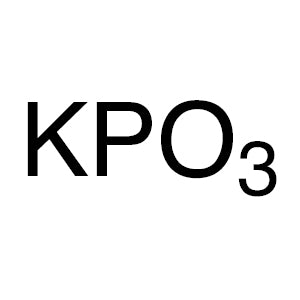
PotassiumMetaphosphate TCI P2906
Regular price From Rp 505.050,00Regular price -
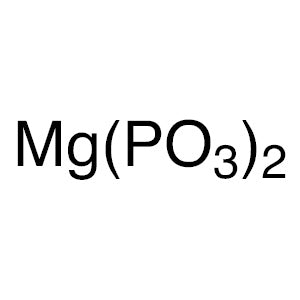
MagnesiumMetaphosphate TCI M3423
Regular price From Rp 610.050,00Regular price -
LithiumMetaphosphate TCI L0405
Regular price From Rp 584.850,00Regular price -
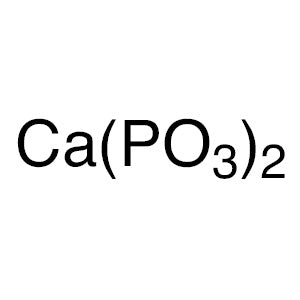
CalciumMetaphosphate TCI C3760
Regular price From Rp 637.350,00Regular price -
PotassiumPhosphateHydrate TCI T3998
Regular price From Rp 477.750,00Regular price -
SodiumPhosphorofluoridate TCI O0673
Regular price From Rp 743.400,00Regular price -
SodiumPhosphate TCI O0586
Regular price Rp 584.850,00Regular price -
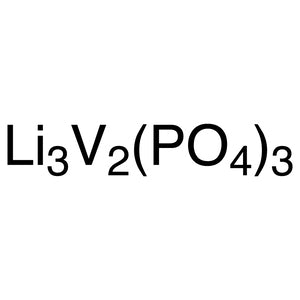
LithiumVanadiumPhosphate(Li3V2(PO4)3) TCI L0417
Regular price From Rp 3.683.400,00Regular price