Sodium Phosphorofluoridate, better known as sodium monofluorophosphate, is an inorganic salt whose single anion contains phosphorus, oxygen and fluorine. It is best known as a fluoride source in dental care products because it releases fluoride gradually through hydrolysis. In the laboratory it is used in dental research, main-group inorganic chemistry, fluoride-release studies, corrosion research and biochemical work involving phosphatase enzymes. This TCI-branded reagent, catalogued as O0673, suits researchers who need a well-defined source of covalently bound fluoride for controlled experiments.
Researchers choose this compound because its fluoride is covalently bonded to phosphorus, so it behaves differently from sodium fluoride. It does not supply fluoride directly as a free ion. Instead, fluoride is released slowly through chemical or enzymatic hydrolysis, which is useful for formulation studies and for work on how fluoride interacts with tooth mineral. The compound is also readily soluble in water, so solutions of a set concentration are easy to prepare for repeated tests. Monofluorophosphate has also been studied as a corrosion inhibitor for steel reinforcement in concrete, which makes it relevant beyond biomedical research.
In Indonesia, this material is relevant to dental faculty laboratories studying fluoride uptake and enamel interactions, and to pharmaceutical laboratories developing toothpaste formulations. Testing laboratories that evaluate oral care products can use it as a reference material for fluoride-source comparisons. University chemistry departments can use it to teach and research main-group element chemistry, and civil engineering or materials laboratories studying corrosion protection of reinforced concrete can use it in inhibitor experiments under local environmental conditions.
TCI brochures (PDF)
- Metallic Salts 2025-11-06 · p. 8
- Dental research: the gradual hydrolytic release of fluoride lets researchers study fluoride interaction with tooth mineral under conditions that resemble real oral care use.
- Toothpaste and oral care formulation: because the fluoride is covalently bound, the compound behaves differently from sodium fluoride, which matters for formulation stability and compatibility studies.
- Fluoride-release kinetics studies: fluoride is released slowly through chemical or enzymatic hydrolysis rather than as free ions, so release can be measured and compared over time.
- Phosphatase-related biochemistry: enzymatic hydrolysis of the phosphorus–fluorine compound makes it a useful substrate for experiments involving phosphatase enzymes and their activity.
- Corrosion research: monofluorophosphate has been studied as a corrosion inhibitor for steel reinforcement in concrete, which supports materials and civil engineering laboratory investigations.
| Brand | TCI (product code O0673) |
|---|---|
| CAS number | 10163-15-2 |
| Molecular formula | — |
| Purity | — |
| Category | Chemistry > Catalysis and Inorganic Chemistry > Main-group Elements |
| Pack sizes | see the current product listing for available pack sizes |
| Physical form | water-soluble inorganic sodium salt; see the TCI specification sheet for details |
| Storage | keep in a tightly closed container in a cool, dry place, following the manufacturer's label |
Store Sodium Phosphorofluoridate in its original, tightly sealed container in a cool, dry and well-ventilated area, away from moisture. Moisture matters because the compound can hydrolyse and release fluoride. Keep it away from strong acids and incompatible materials, and label any prepared solutions clearly with concentration and date. Wear standard laboratory protective equipment, including gloves, safety glasses and a lab coat, when handling it. Avoid creating or breathing in dust, and weigh the material in a ventilated area. Wash your hands after handling. Always check the supplier's Safety Data Sheet for specific hazard information, first-aid measures and disposal requirements, and dispose of waste according to local regulations.
—
Produk Terkait
-
PotassiumPhosphateHydrate TCI T3998
Regular price From Rp 530.250,00Regular priceRp 386.400,00Sale price From Rp 530.250,00 -
SodiumBis(fluorosulfonyl)imide TCI S0992
Regular price From Rp 3.021.900,00Regular priceRp 2.112.600,00Sale price From Rp 3.021.900,00 -
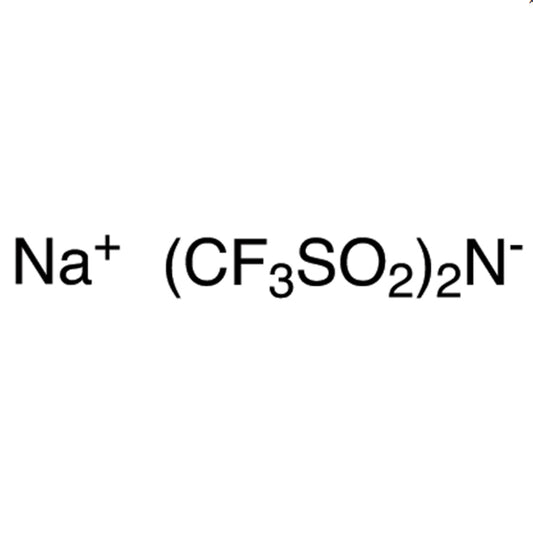
SodiumBis(trifluoromethanesulfonyl)imide TCI S0989
Regular price From Rp 1.405.950,00Regular priceRp 998.550,00Sale price From Rp 1.405.950,00 -
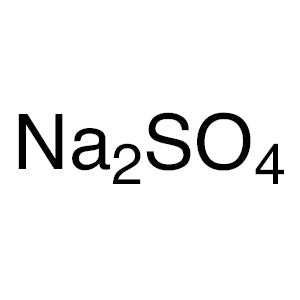
SodiumSulfate TCI S0566
Regular price Rp 530.250,00Regular priceRp 386.400,00Sale price Rp 530.250,00 -
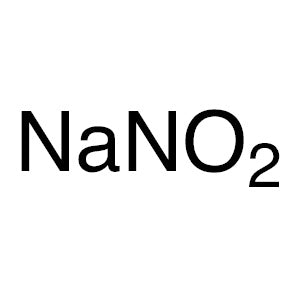
SodiumNitrite TCI S0565
Regular price Rp 477.750,00Regular priceRp 333.900,00Sale price Rp 477.750,00 -
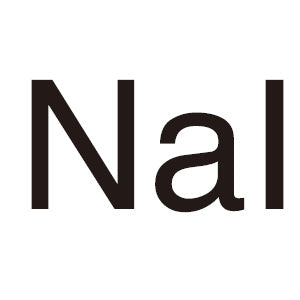
SodiumIodide TCI S0564
Regular price Rp 1.008.000,00Regular priceRp 720.300,00Sale price Rp 1.008.000,00 -
SodiumHydrogenCarbonate TCI S0561
Regular price Rp 637.350,00Regular priceRp 460.950,00Sale price Rp 637.350,00 -
SodiumCarbonate TCI S0560
Regular price Rp 477.750,00Regular priceRp 333.900,00Sale price Rp 477.750,00