Sodium Sulfate (Na₂SO₄), with CAS number 7757-82-6, is an inorganic compound widely utilized in laboratory settings for its chemical stability and versatility. As a key component in catalytic and inorganic chemistry, it plays a vital role in various chemical reactions and analytical procedures. Its crystalline structure and non-reactive nature make it a reliable reagent for supporting a wide range of experimental needs. Sodium Sulfate is commonly used as a drying agent, a desiccant, and a component in the preparation of specific solutions, making it an essential item in many laboratory workflows.
The compound is known for its high solubility in water and its inert chemical properties, which contribute to its widespread use in laboratory environments. Sodium Sulfate is non-flammable and non-toxic, ensuring safe handling and storage. These characteristics make it a preferred choice for laboratories that require stable and reliable reagents. Its ability to remain chemically inert under various conditions allows it to be used in multiple applications without undergoing unwanted side reactions. This stability is particularly valuable in analytical and industrial chemistry settings where consistency is crucial.
In Indonesian laboratories, Sodium Sulfate is frequently used in analytical chemistry, industrial chemistry, and educational settings. It supports a variety of experiments and research projects, especially in the fields of catalysis and inorganic chemistry. Its availability and affordability make it a staple in laboratory supplies, contributing to the efficiency and effectiveness of chemical processes. Its role in supporting both academic and industrial research underscores its importance in the scientific community.
TCI brochures (PDF)
- Metallic Salts 2025-11-06 · p. 7
- Sodium Sulfate is commonly used in analytical chemistry for the preparation of standard solutions due to its high purity and solubility in water.
- In catalytic reactions, it acts as a drying agent, helping to remove moisture from reaction mixtures and ensuring optimal reaction conditions.
- It is frequently employed in inorganic chemistry experiments as a reagent for precipitation reactions and as a component in the synthesis of other compounds.
- In educational laboratories, Sodium Sulfate is used to demonstrate chemical reactions and properties, providing students with hands-on learning experiences.
- Its use in industrial chemistry includes applications in the production of detergents and as a component in the manufacturing of various chemical products.
| Brand | TCI |
|---|---|
| CAS number | 7757-82-6 |
| Molecular formula | — |
| Purity | — |
| Category | Chemistry > Catalysis and Inorganic Chemistry > Main-group Elements |
| Pack sizes | Available in various quantities to suit different laboratory needs |
| Physical form | White crystalline powder |
| Storage | Store in a cool, dry place away from moisture and direct sunlight |
Sodium Sulfate should be stored in a cool, dry place, away from moisture and direct sunlight to maintain its chemical stability. It is recommended to use airtight containers to prevent exposure to humidity, which could affect its solubility and purity. Since it is non-flammable and non-toxic, it does not require special handling beyond standard laboratory safety protocols. However, it is advisable to keep it in a well-ventilated area to ensure safe working conditions. Its inert nature means it does not react with most substances, making it a safe and reliable reagent for routine laboratory use. Proper storage ensures its effectiveness and longevity in various experimental applications.
—
Product Categories
Produk Terkait
-
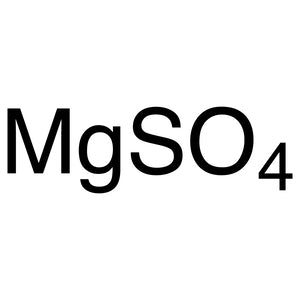
MagnesiumSulfateAnhydrous TCI M1890
Regular price Rp 582.750,00Regular priceRp 423.150,00Sale price Rp 582.750,00 -
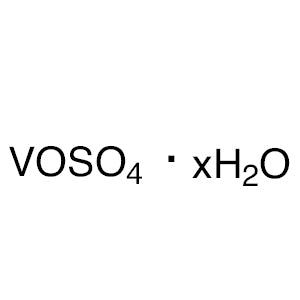
Vanadium(IV)OxideSulfateHydrate TCI V0171
Regular price From Rp 743.400,00Regular priceRp 519.750,00Sale price From Rp 743.400,00 -
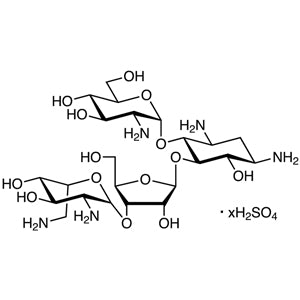
ParomomycinSulfate TCI P2092
Regular price From Rp 1.087.800,00Regular priceRp 775.950,00Sale price From Rp 1.087.800,00 -
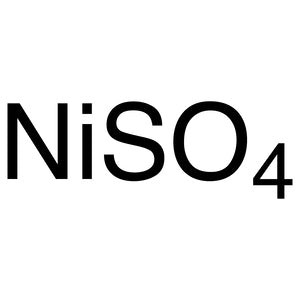
Nickel(II)Sulfate TCI N1264
Regular price From Rp 875.700,00Regular priceRp 612.150,00Sale price From Rp 875.700,00 -
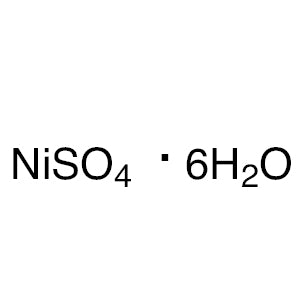
Nickel(II)SulfateHexahydrate TCI N1203
Regular price From Rp 477.750,00Regular priceRp 333.900,00Sale price From Rp 477.750,00 -
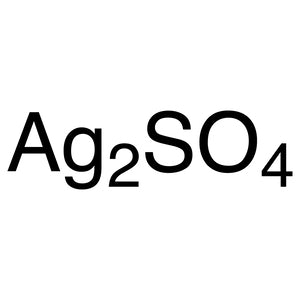
Silver(I)Sulfate TCI I1244
Regular price From Rp 795.900,00Regular priceRp 556.500,00Sale price From Rp 795.900,00 -
FradiomycinSulfate TCI F0649
Regular price Rp 2.041.200,00Regular priceRp 1.442.700,00Sale price Rp 2.041.200,00 -
PotassiumIodide TCI P1721
Regular price From Rp 425.250,00Regular priceRp 775.950,00Sale price From Rp 425.250,00Sale