Potassium Metaphosphate from TCI is an inorganic potassium salt of metaphosphoric acid. It usually exists as a long-chain polymer, (KPO3)n, made of phosphate units joined by bridging oxygen atoms. In the laboratory it belongs to the metallic salts group within inorganic chemistry and catalysis. It serves as a source of potassium and phosphate, as a precursor for phosphate-based materials, and as a reference compound in polyphosphate chemistry. Its polymeric character sets it apart from simple potassium phosphate salts such as potassium dihydrogen phosphate.
A defining feature of Potassium Metaphosphate is that it dissolves poorly in pure water compared with many other phosphate salts. Its solubility can increase in the presence of sodium salts or certain other ions, which change the behaviour of its polymer chains. This makes it useful for research on controlled nutrient release and on polyphosphate structure. Because it is a phosphate source that does not dissolve easily, it is also studied in the preparation of phosphate glasses, ceramics and functional solid materials. Potassium polyphosphate salts are also known in food technology research as additives with specific functions.
In Indonesian laboratories, Potassium Metaphosphate is used mainly in university chemistry departments, materials science research groups and applied research institutions. Researchers working on inorganic synthesis, phosphate-based glasses and ceramics, or slow-release nutrient systems for agriculture can use it as a well-defined starting material. Teaching laboratories can also use it to show how polymeric phosphates differ from simple phosphate salts. Supplying the TCI brand gives these laboratories a consistent, recognised source of reagent for reproducible experimental work.
TCI brochures (PDF)
- Metallic Salts 2025-11-06 · p. 8
- Potassium and phosphate source: the compound provides both potassium and phosphate in one inorganic salt, which makes it practical for synthesis and formulation studies that need both components.
- Precursor for phosphate-based materials: its polymeric phosphate framework makes it a suitable starting material for preparing phosphate glasses, ceramics and other functional solid-state materials in research settings.
- Reference compound in polyphosphate chemistry: its long-chain (KPO3)n structure makes it a useful comparison standard when studying how phosphate chain structure affects chemical and physical behaviour.
- Controlled nutrient release research: its low solubility in pure water, which changes in the presence of certain ions, suits studies of slow or controlled release of potassium and phosphate.
- Food technology research: potassium polyphosphate salts are known as functional additives, so this material can support laboratory studies of how polyphosphates behave in food-related systems.
| Brand | TCI (product code P2906) |
|---|---|
| CAS number | 7790-53-6 |
| Molecular formula | — |
| Purity | — |
| Category | Chemistry > Catalysis and Inorganic Chemistry > Metallic Salts |
| Pack sizes | as offered in the current TCI catalogue |
| Physical form | solid polymeric inorganic salt, (KPO3)n |
| Storage | keep in a tightly closed container in a cool, dry place |
Store Potassium Metaphosphate in its original, tightly closed container in a cool, dry and well-ventilated area, away from moisture and incompatible substances. Containers made of glass or chemically resistant plastic are suitable, and they should be clearly labelled with the product name and CAS number. Follow standard laboratory precautions when handling: wear safety glasses, gloves and a lab coat, avoid creating or breathing in dust, and avoid contact with eyes and skin. Wash your hands after use. Always check the TCI Safety Data Sheet for specific hazard information and disposal instructions before you begin work.
—
Produk Terkait
-
SodiumMetaphosphate TCI O0593
Regular price From Rp 584.850,00Regular price -
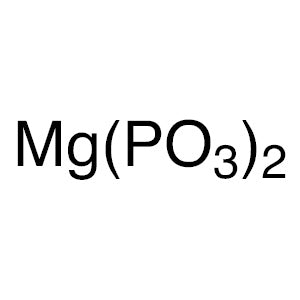
MagnesiumMetaphosphate TCI M3423
Regular price From Rp 610.050,00Regular price -
LithiumMetaphosphate TCI L0405
Regular price From Rp 584.850,00Regular price -
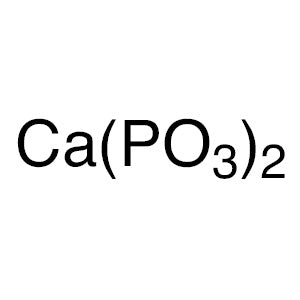
CalciumMetaphosphate TCI C3760
Regular price From Rp 637.350,00Regular price -
PotassiumPhosphateHydrate TCI T3998
Regular price From Rp 477.750,00Regular price -
SodiumPhosphorofluoridate TCI O0673
Regular price From Rp 743.400,00Regular price -
SodiumPhosphate TCI O0586
Regular price Rp 584.850,00Regular price -
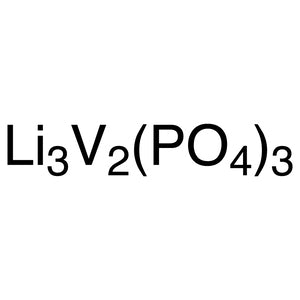
LithiumVanadiumPhosphate(Li3V2(PO4)3) TCI L0417
Regular price From Rp 3.683.400,00Regular price