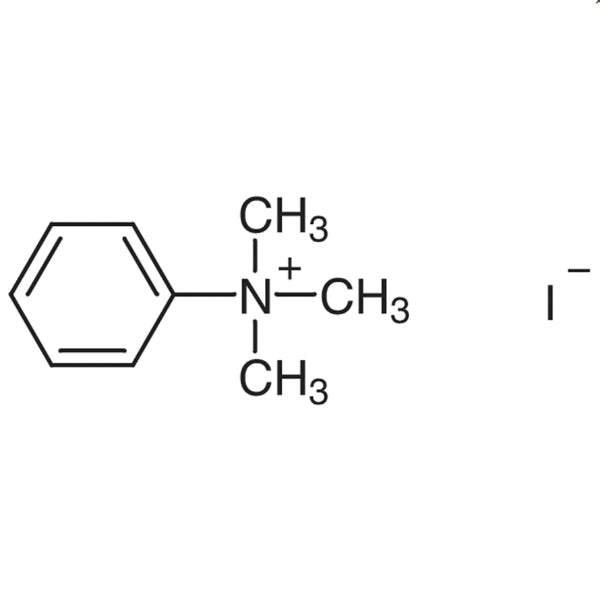
Trimethylphenylammonium Iodide (TCI P0246, CAS 98-04-4) is a chemical compound widely used in scientific research, particularly in the field of electronic materials. This compound plays a crucial role in the development and optimization of dye-sensitized solar cells (DSSCs), where it functions as a key component in the light-sensitive layer. Its presence is essential for enabling the efficient absorption of light by organic pigments, which in turn facilitates the generation of electrical energy. In laboratory settings, it is a fundamental material for researchers working on renewable energy technologies and advanced electronic systems.
The compound is valued for its chemical stability and its ability to interact effectively with other materials in DSSC systems. Its molecular structure supports efficient electron transfer, a critical factor in enhancing the performance of solar cells. Additionally, Trimethylphenylammonium Iodide exhibits resistance to certain environmental conditions, which ensures its reliability in long-term research applications. These properties make it a preferred choice for scientists aiming to improve the efficiency and durability of photovoltaic devices.
In Indonesian laboratories, Trimethylphenylammonium Iodide is commonly used in applied research related to renewable energy and electronic materials. It is an essential component in the development of next-generation solar cell technologies. Many research institutions and universities in Indonesia rely on this compound to advance their studies in sustainable energy solutions and material science. Its consistent performance and compatibility with various experimental setups make it a trusted material in both academic and industrial research environments.
- Dye-Sensitized Solar Cell (DSSC) Development: This compound is essential for constructing the light-sensitive layer in DSSCs, enabling efficient electron transfer and light absorption.
- Renewable Energy Research: It supports the development of sustainable energy technologies by facilitating the creation of efficient photovoltaic materials.
- Electronic Material Optimization: Researchers use it to fine-tune the performance of electronic materials, enhancing their conductivity and stability.
- Photochemical Reaction Studies: Its chemical properties make it suitable for experiments involving light-induced reactions and molecular interactions.
- Material Science Investigations: It is frequently used in studies focused on the synthesis and characterization of advanced electronic materials.
| Brand | TCI |
|---|---|
| CAS number | 98-04-4 |
| Molecular formula | — |
| Purity | — |
| Category | Materials Science > Electronic Materials > Dye-Sensitized Solar Cell (DSSC) Materials |
| Pack sizes | Available in various quantities as per standard laboratory supply formats |
| Physical form | Solid powder |
| Storage | Store in a cool, dry place away from direct sunlight and moisture |
Trimethylphenylammonium Iodide should be stored in a cool, dry environment to maintain its chemical stability. It is recommended to keep it in a sealed container to prevent exposure to moisture and air, which may affect its performance. The compound should be stored away from direct sunlight and sources of heat to avoid any potential degradation. In laboratory settings, proper ventilation is essential when handling this material to ensure safe working conditions. Always use appropriate personal protective equipment, such as gloves and safety goggles, to minimize exposure. Regular monitoring of storage conditions is advised to ensure the material remains in optimal condition for research applications.
—
Produk Terkait
-
TCI B5774 5,10-Bis(4,4,5,5-tetramethyl-1,3,2-dioxaborolan-2-yl)naphtho[1,2-c:5,6-c']bis([1,2,5]oxadiazole)
Regular price Rp 10.255.350,00Regular price -
Dihydroiodide TCI B6569
Regular price From Rp 1.936.200,00Regular price -
Trifluoromethanesulfonate TCI B7003
Regular price From Rp 1.936.200,00Regular price
![5,10-Bis(4,4,5,5-tetramethyl-1,3,2-dioxaborolan-2-yl)naphtho[1,2-c:5,6-c']bis([1,2,5]oxadiazole) - TCI B5774 - AMI Scientific](http://amiscientific.com/cdn/shop/files/TCI2510B5774.jpg?v=1769180228&width=533)