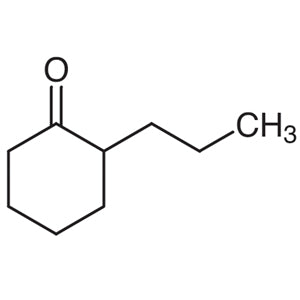
Propylcyclohexane from TCI (product code P0681) is a saturated hydrocarbon made of a cyclohexane ring with a single propyl chain attached. It is a cycloalkane, also called a naphthene, a class of compounds found widely in petroleum fractions and fuels. In the laboratory, Propylcyclohexane serves as a hydrocarbon model compound, an analytical reference standard, a specialty nonpolar solvent, and a non-heterocyclic building block. These uses make it a practical reagent for fuel chemistry research as well as physical organic chemistry studies.
Propylcyclohexane has no polar functional groups, so it is highly nonpolar and relatively inert. Because it behaves predictably, it works well as a reference compound in experiments where a stable, well-understood hydrocarbon is needed. In combustion research, alkylcyclohexanes such as propylcyclohexane are often used as model or surrogate components to represent the naphthenic fraction of jet and diesel fuels. Its flexible ring structure also makes it a good teaching example for conformational analysis, where students study how substituents on a cyclohexane ring affect molecular geometry and stability.
In Indonesia, Propylcyclohexane is useful to chemical engineering and energy laboratories that study fuels and biofuels, oil and gas analytical laboratories that build hydrocarbon identification standards, and physical chemistry laboratories at universities and research institutions. Researchers working on fuel formulation, combustion behaviour, and petroleum characterization can use it as a reliable reference material. Teaching laboratories can also use it to show the structure and conformational behaviour of substituted cycloalkanes in organic chemistry courses.
Related TCI products
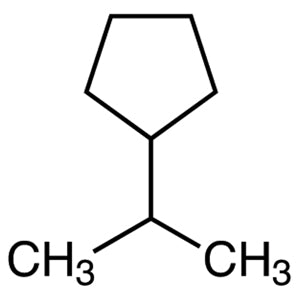
- TCI I0647 3875-51-2 Isopropylcyclopentane
- TCI I0161 696-29-7 Isopropylcyclohexane
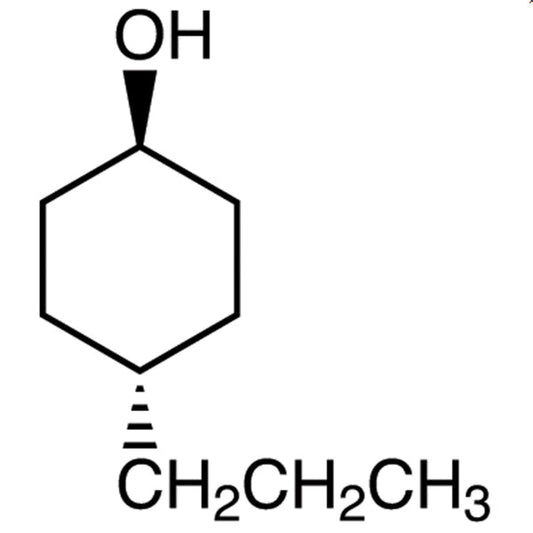
- TCI P1882 77866-58-1 trans-4-Propylcyclohexanol
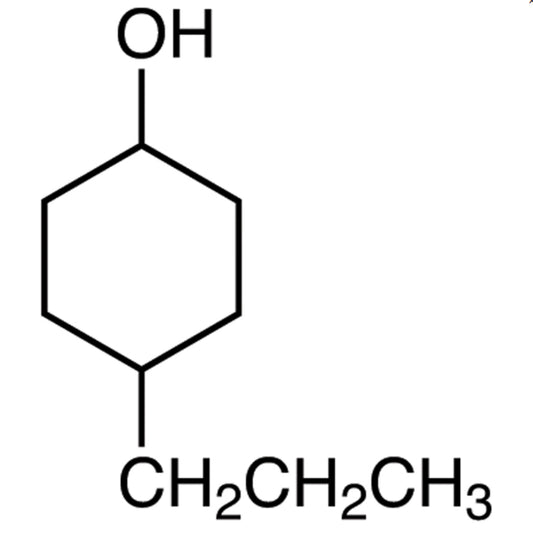
- TCI P1874 52204-65-6 4-Propylcyclohexanol (cis- and trans- mixture)
- TCI P1849 40649-36-3 4-Propylcyclohexanone
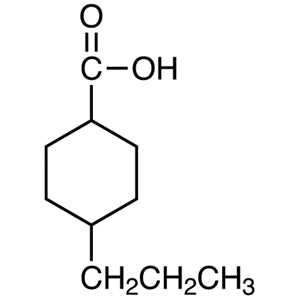
- TCI P1656 70928-91-5 4-Propylcyclohexanecarboxylic Acid (cis- and trans- mixture)
- Fuel surrogate formulation: Propylcyclohexane is often used as a model component that represents the naphthene fraction of jet and diesel fuels in combustion and fuel chemistry research.
- Analytical reference standard: Its well-defined saturated hydrocarbon structure makes it a suitable comparison standard for identifying hydrocarbons in petroleum and fuel samples during chromatographic analysis.
- Hydrocarbon model compound: Because it is nonpolar and relatively inert, it behaves predictably in experiments that study the physical and chemical properties of cycloalkanes.
- Specialty nonpolar solvent: Without polar functional groups, it can act as a nonpolar medium in laboratory work where an unreactive hydrocarbon environment is needed.
- Conformational analysis teaching: Its flexible cyclohexane ring with a propyl substituent is a clear example for showing chair conformations and substituent effects in physical organic chemistry courses.
| Brand | TCI (product code P0681) |
|---|---|
| CAS number | 1678-92-8 |
| Molecular formula | — |
| Purity | — |
| Category | Chemistry > Building Blocks > Non-Heterocyclic Building Blocks |
| Pack sizes | see the pack size options listed on this product page |
| Physical form | liquid |
| Storage | keep tightly closed in a cool, well-ventilated area away from sources of ignition |
Store Propylcyclohexane in its original, tightly sealed container in a cool, dry, well-ventilated area, away from heat, sparks, open flames, and strong oxidizing agents. As a volatile hydrocarbon, it should be handled as a flammable liquid. Work in a fume hood or a well-ventilated space, and wear suitable protective gloves, safety glasses, and a laboratory coat. Ground equipment where needed to avoid static discharge, avoid breathing vapours, and prevent contact with skin and eyes. Always check the supplier's Safety Data Sheet for full hazard and disposal information before use.
—
Produk Terkait
-
Isopropylcyclopentane TCI I0647
Regular price Rp 7.817.250,00Regular price -
Isopropylcyclohexane TCI I0161
Regular price From Rp 1.220.100,00Regular price -
trans-4-Propylcyclohexanol TCI P1882
Regular price Rp 2.809.800,00Regular price -
4-Propylcyclohexanol(cis-andtrans-mixture) TCI P1874
Regular price From Rp 795.900,00Regular price -
4-Propylcyclohexanone TCI P1849
Regular price From Rp 769.650,00Regular price -
4-PropylcyclohexanecarboxylicAcid(cis-andtrans-mixture) TCI P1656
Regular price From Rp 2.466.450,00Regular price -
2-Propylcyclohexanone TCI P1114
Regular price Rp 2.757.300,00Regular price -
trans-4-PropylcyclohexanecarboxylicAcid TCI P0943
Regular price From Rp 530.250,00Regular price