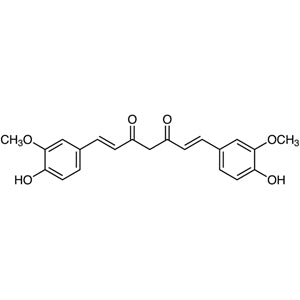
Plumbagin is a chemical compound widely utilized in laboratory research, particularly in the fields of cancer and cell biology. As a bioactive compound, it plays a crucial role in investigating the mechanisms of cancer cell growth and the effects of various substances on abnormal cells. Its significance lies in its ability to influence cellular responses, making it an essential tool for researchers aiming to understand the complexities of cellular behavior. In the laboratory, plumbagin is employed to study the impact of specific compounds on apoptosis, proliferation, and other critical biological processes.
One of the key attributes that make plumbagin a preferred choice is its chemical stability under certain conditions and its solubility in organic solvents such as ethyl acetate. These properties enable researchers to use it in various analytical techniques, including chromatography and spectroscopy. Additionally, its complex chemical structure makes it a valuable compound for biomedicine research. The compound's biological activity further enhances its appeal, as it can trigger relevant physiological responses in experimental settings.
In Indonesian laboratories, plumbagin is commonly used in applied research focused on cancer therapy development and disease mechanism understanding. Its role in exploring the potential of natural compounds for therapeutic applications has made it a sought-after material for both academic and industrial research. The compound's versatility and effectiveness in experimental studies contribute to its continued use in various scientific investigations.
TCI brochures (PDF)
- Efflux Pump Research Reagents 2024-12-24 · p. 2
- Phytochemicals 2025-12-17 · p. 14
- Cancer Research: Plumbagin is used to study the effects of natural compounds on cancer cell proliferation and apoptosis, providing insights into potential therapeutic targets.
- Cell Biology Studies: It is employed to investigate cellular responses to various stimuli, aiding in the understanding of fundamental biological processes.
- Bioactive Compound Analysis: Its chemical stability and solubility make it suitable for chromatographic and spectroscopic analyses in analytical laboratories.
- Drug Development: Plumbagin is used in the screening of natural compounds for their potential in developing new cancer treatments.
- Biomedical Research: Its complex structure and biological activity make it a valuable tool for exploring the mechanisms of disease and therapeutic interventions.
| Brand | TCI |
|---|---|
| CAS number | 481-42-5 |
| Molecular formula | — |
| Purity | — |
| Category | Life Science > Cell Biology > Cancer Research |
| Pack sizes | Available in various quantities as per standard laboratory supply |
| Physical form | Solid |
| Storage | Store in a cool, dry place away from light and moisture |
Plumbagin should be stored in a cool, dry place, away from direct light and moisture to maintain its chemical stability. It is recommended to use airtight containers made of glass or high-density polyethylene to prevent contamination and degradation. Due to its bioactive nature, it should be handled with appropriate personal protective equipment, such as gloves and safety goggles, to ensure laboratory safety. While it is stable under normal storage conditions, it is important to avoid exposure to extreme temperatures or reactive substances. Proper labeling and storage practices help in maintaining the integrity of the compound and ensuring safe handling in laboratory environments.
—
Produk Terkait
-
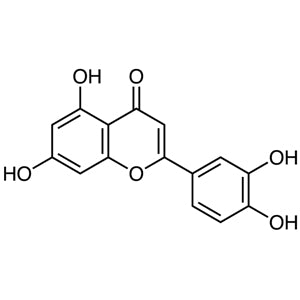
3',4',5,7-Tetrahydroxyflavone TCI T2682
Regular price From Rp 1.618.050,00Regular priceRp 1.146.600,00Sale price From Rp 1.618.050,00 -
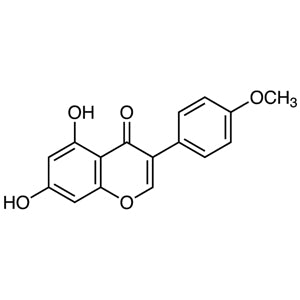
BiochaninA TCI B4098
Regular price From Rp 662.550,00Regular priceRp 478.800,00Sale price From Rp 662.550,00 -
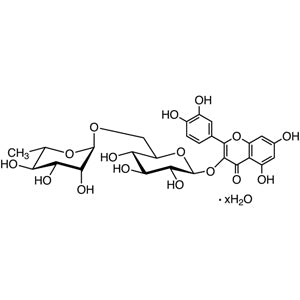
RutinHydrate TCI R0035
Regular price Rp 1.431.150,00Regular priceRp 1.016.400,00Sale price Rp 1.431.150,00 -
QuercetinHydrate TCI P0042
Regular price Rp 1.378.650,00Regular priceRp 979.650,00Sale price Rp 1.378.650,00 -
Kaempferol TCI K0018
Regular price From Rp 3.260.250,00Regular priceRp 2.295.300,00Sale price From Rp 3.260.250,00 -
Geraniol TCI G0027
Regular price Rp 452.550,00Regular priceRp 316.050,00Sale price Rp 452.550,00 -
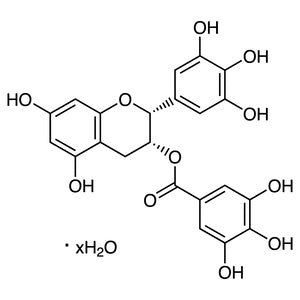
(-)-EpigallocatechinGallateHydrate TCI E0694
Regular price From Rp 2.173.500,00Regular priceRp 1.535.100,00Sale price From Rp 2.173.500,00 -
Curcumin(Synthetic) TCI C2302
Regular price From Rp 1.246.350,00Regular priceRp 887.250,00Sale price From Rp 1.246.350,00