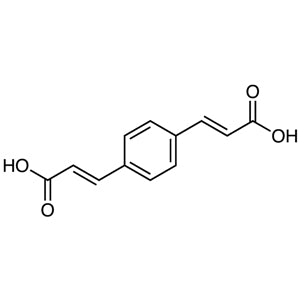
1,4-Phenylenediacrylic Acid is a chemical compound widely used in organic synthesis reactions within laboratory settings. It serves as a key building block in the development of complex molecules, including polymers, pharmaceuticals, and industrial chemicals. Its molecular structure consists of two carboxylic acid groups connected by a phenyl ring, making it highly versatile for chemical transformations. This compound is essential for researchers aiming to create new materials or compounds with tailored properties. Its role in synthetic chemistry is critical due to its ability to participate in a variety of reaction mechanisms.
The compound's stability and moderate reactivity make it a preferred choice for synthetic chemists. It can react with various functional groups such as amines, hydroxyls, and halogens, enabling the formation of more complex molecular structures. These properties allow it to be used in the synthesis of heterocyclic compounds and other advanced chemical structures. Its reliability and predictable behavior in laboratory conditions ensure consistent results, making it a trusted material in both academic and industrial research environments.
In Indonesian laboratories, 1,4-Phenylenediacrylic Acid is commonly used in chemical research and development. It is a fundamental reagent in both pure and applied chemistry studies, supporting experiments that require a reliable and versatile building block. Many educational institutions and research centers rely on this compound for their synthetic processes, contributing to the advancement of chemical knowledge and innovation in the region.
Related TCI products
- Organic synthesis reactions benefit from its ability to form stable intermediates and participate in various reaction pathways.
- Polymer development utilizes its carboxylic acid groups for cross-linking and chain extension in polymerization processes.
- Pharmaceutical research employs it as a precursor for the synthesis of complex drug molecules and bioactive compounds.
- Industrial chemical production relies on its reactivity for the creation of specialty chemicals and functional materials.
- Heterocyclic compound synthesis leverages its structural versatility to build diverse ring systems with high yield and selectivity.
| Brand | TCI |
|---|---|
| CAS number | 16323-43-6 |
| Molecular formula | — |
| Purity | — |
| Category | Chemistry > Building Blocks > Non-Heterocyclic Building Blocks |
| Pack sizes | Available in standard laboratory quantities |
| Physical form | Solid |
| Storage | Store in a cool, dry place away from moisture and direct sunlight |
This compound should be stored in a cool, dry environment to maintain its chemical integrity. It is recommended to keep it in a sealed container to prevent exposure to moisture, which can affect its stability. Suitable storage conditions include a controlled temperature range of 15–25°C. Laboratory personnel should handle the material with care, using appropriate personal protective equipment such as gloves and safety goggles. It is advisable to store it away from incompatible substances like strong bases or oxidizing agents to ensure safety. Regular inspection of storage conditions and container integrity is essential to maintain the compound's quality and usability in research applications.
—
Produk Terkait
-
Diethyl1,4-Phenylenediacrylate TCI P1345
Regular price Rp 7.792.050,00Regular price -
Dimethyl1,4-Phenylenediacrylate TCI P1338
Regular price From Rp 2.809.800,00Regular price -
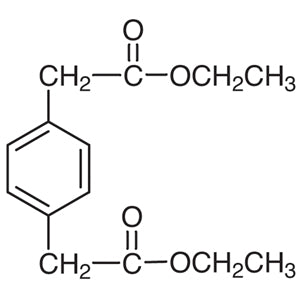
Diethyl1,4-Phenylenediacetate TCI P1434
Regular price From Rp 3.763.200,00Regular price -
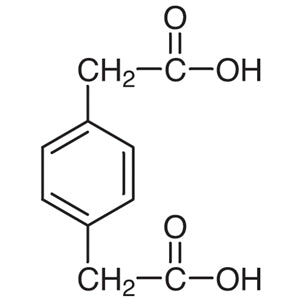
1,4-PhenylenediaceticAcid TCI P1433
Regular price From Rp 1.724.100,00Regular price -
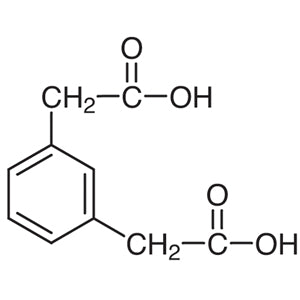
1,3-PhenylenediaceticAcid TCI P1064
Regular price From Rp 1.670.550,00Regular price -
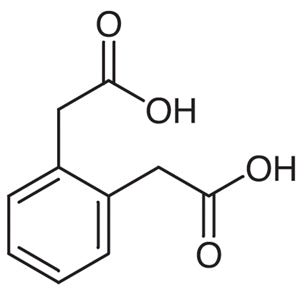
1,2-PhenylenediaceticAcid TCI P1052
Regular price Rp 1.008.000,00Regular price