N-(Pyrazinylcarbonyl)-L-phenylalanine is a chemical compound widely used in chemical biology research, particularly in peptide chemistry. This compound serves as a key building block in the synthesis of complex molecules with specific biological activities. In laboratory settings, it is commonly employed in reactions that require the use of amino acids with defined structural features. Its role is crucial in the development of bioactive compounds and in the study of molecular interactions.
The compound is valued for its chemical stability under controlled conditions, which simplifies synthesis and manipulation processes. Its molecular structure enables it to interact with various other molecules, either as a substrate or as part of catalytic reactions. This versatility makes it a preferred choice for applications requiring precision and accuracy in chemical processes. The compound's ability to participate in diverse chemical reactions enhances its utility in advanced research.
In Indonesian laboratories, N-(Pyrazinylcarbonyl)-L-phenylalanine is used in applied research such as drug development, biological compound analysis, and peptide activity studies. Researchers in educational institutions and research organizations frequently utilize this compound for experiments that demand specific molecular structures and predictable reactivity. Its application is integral to advancing biochemical and pharmaceutical research in the region.
TCI brochures (PDF)
- Amino Acids and Peptide Synthesis Reagents 2025-08-14 · p. 24
Related TCI products
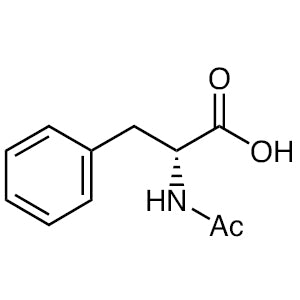
- TCI A0105 10172-89-1 N-Acetyl-D-phenylalanine
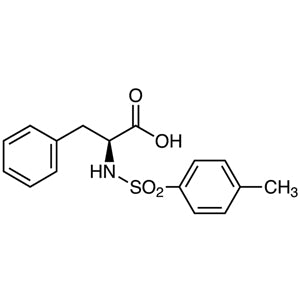
- TCI T1443 13505-32-3 N-(p-Toluenesulfonyl)-L-phenylalanine
- TCI B5350 68856-96-2 N-(tert-Butoxycarbonyl)-4-methoxy-D-phenylalanine
- TCI B5011 85466-66-6 N-(tert-Butoxycarbonyl)-N-methyl-D-phenylalanine
- TCI B4877 131724-45-3 N-(tert-Butoxycarbonyl)-4-cyano-L-phenylalanine
- TCI B4369 114873-07-3 N-(tert-Butoxycarbonyl)-4-trifluoromethyl-L-phenylalanine
- Drug development research benefits from this compound as it is used in the synthesis of bioactive peptides and pharmaceutical compounds.
- Biological compound analysis relies on its structural specificity for identifying and characterizing complex molecules.
- Peptide activity studies utilize its reactivity to investigate molecular interactions and functional properties.
- Biochemical research employs it in the design and testing of novel therapeutic agents and molecular probes.
- Analytical chemistry applications use its stability and reactivity for accurate and reproducible experimental outcomes.
| Brand | TCI |
|---|---|
| CAS number | 114457-94-2 |
| Molecular formula | — |
| Purity | — |
| Category | Chemistry > Chemical Biology > Peptide Chemistry |
| Pack sizes | Available in standard laboratory quantities |
| Physical form | Solid powder |
| Storage | Store in a cool, dry place away from direct light |
This compound should be stored in a cool, dry environment, away from direct sunlight and sources of heat. It is recommended to use airtight containers to prevent moisture absorption and contamination. Due to its chemical stability, it does not require refrigeration but should be kept in a secure location to avoid accidental exposure. In laboratory settings, proper personal protective equipment should be worn when handling the compound to ensure safety. Regular monitoring of storage conditions is advised to maintain the compound’s integrity and effectiveness in research applications.
—
Product Categories
Produk Terkait
-
N-Acetyl-D-phenylalanine TCI A0105
Regular price From Rp 1.087.800,00Regular price -
N-(p-Toluenesulfonyl)-L-phenylalanine TCI T1443
Regular price From Rp 848.400,00Regular price -
N-(tert-Butoxycarbonyl)-4-methoxy-D-phenylalanine TCI B5350
Regular price From Rp 1.670.550,00Regular price -
N-(tert-Butoxycarbonyl)-N-methyl-D-phenylalanine TCI B5011
Regular price From Rp 1.590.750,00Regular price -
N-(tert-Butoxycarbonyl)-4-cyano-L-phenylalanine TCI B4877
Regular price From Rp 2.466.450,00Regular price -
N-(tert-Butoxycarbonyl)-4-trifluoromethyl-L-phenylalanine TCI B4369
Regular price Rp 6.253.800,00Regular price -
N-(tert-Butoxycarbonyl)-4-phenyl-L-phenylalanine TCI B4289
Regular price Rp 2.571.450,00Regular price -
N-(tert-Butoxycarbonyl)-L-phenylalanineMethylEster TCI B4259
Regular price From Rp 875.700,00Regular price