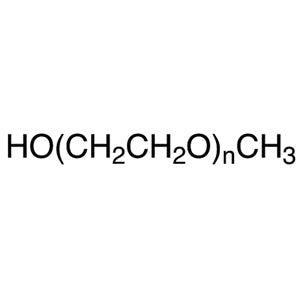
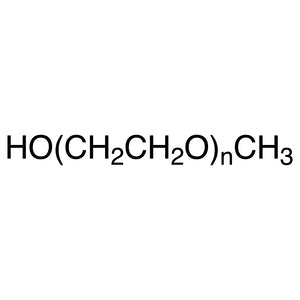
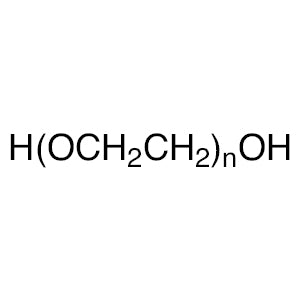
Polyethylene Glycol Monomethyl Ether 2000 (PEG 2000) is a chemical compound widely used in laboratory settings, particularly in the field of chemical biology. As a key component in PEGylation, it plays a crucial role in modifying biological molecules by attaching polyethylene glycol chains. This process enhances the stability, solubility, and bioavailability of proteins, peptides, and pharmaceutical compounds. PEG 2000 is a versatile reagent that supports a wide range of experimental applications, making it an essential tool for researchers working in biotechnology and pharmaceutical development.
One of the main reasons PEG 2000 is preferred in laboratories is its chemical stability and non-reactive nature. It does not participate in unwanted side reactions, ensuring consistent results across experiments. Additionally, it is non-toxic and non-corrosive, making it safe for use in various laboratory environments. Its high melting point and good solubility in organic solvents further enhance its utility, allowing it to be easily incorporated into different chemical reactions and formulations.
In Indonesian laboratories, PEG 2000 is commonly used in research and development projects related to drug formulation and biopharmaceuticals. Its ability to improve the pharmacokinetic properties of therapeutic agents makes it a valuable resource for scientists aiming to enhance the efficacy and safety of medical products. It is also frequently used in academic and industrial settings for molecular modification and functionalization studies.
TCI brochures (PDF)
- Drug Delivery System (DDS) Research Reagents 2025-01-29 · p. 2
- Biomaterials Research Reagents 2025-02-19 · p. 6
Related TCI products
- TCI P2187 9004-74-4 Polyethylene Glycol Monomethyl Ether 4000
- TCI P2185 9004-74-4 Polyethylene Glycol Monomethyl Ether 1000
- TCI P2184 9004-74-4 Polyethylene Glycol Monomethyl Ether 550
- TCI P2183 9004-74-4 Polyethylene Glycol Monomethyl Ether 400
- TCI P3095 9004-74-4 Polyethylene Glycol Monomethyl Ether 220
- TCI P2830 25322-68-3 Polyethylene Glycol 20000
- PEGylation of proteins and peptides for enhanced stability and reduced immunogenicity.
- Development of pharmaceutical formulations to improve drug solubility and bioavailability.
- Modification of biomolecules for use in diagnostic assays and therapeutic applications.
- Research in biotechnology for creating conjugated molecules with improved pharmacological properties.
- Support in the synthesis of polymeric materials for biomedical and industrial applications.
| Brand | TCI |
|---|---|
| CAS number | 9004-74-4 |
| Molecular formula | — |
| Purity | — |
| Category | Chemistry > Chemical Biology > PEGylation |
| Pack sizes | Available in various quantities as per supplier specifications |
| Physical form | Liquid |
| Storage | Store in a cool, dry place away from direct sunlight |
PEG 2000 should be stored in a cool, dry place, away from direct sunlight and sources of heat. It is recommended to use airtight containers to prevent contamination and maintain its chemical integrity. Due to its non-reactive nature, it does not require special handling beyond standard laboratory safety protocols. When working with PEG 2000, it is advisable to use appropriate personal protective equipment such as gloves and safety goggles. Its non-toxic and non-corrosive properties make it safe for routine laboratory use, but care should still be taken to avoid inhalation or skin contact in large quantities. Proper labeling and storage conditions ensure the longevity and reliability of the product in experimental applications.
—
Product Categories
- Chemical BiologyPEGylationmPEG (Methyl Polyethylene Glycols)
- Chemical BiologyBioconjugationPEGylation Reagents and PEG Spacers
- Pharmaceutical Development and Drug Discovery Research ReagentsPEGylationmPEG (Methyl Polyethylene Glycols)
- Pharmaceutical Development and Drug Discovery Research ReagentsDrug Delivery Systems (DDS)Polyethyleneglycols (PEG) (for DDS)
- Polymer/Macromolecule ReagentsPolymersSynthetic Polymers
- Biomaterials/Biocompatible Materials Research ReagentsPolymers [Biomaterials/Biocompatible Materials Research Reagents]PEGs, PEGylation Reagents [Biomaterials/Biocompatible Materials Research Reagents]
- Biomaterials/Biocompatible Materials Research ReagentsPolymers [Biomaterials/Biocompatible Materials Research Reagents]Synthetic Polymers
- Biochemicals and ReagentsBioconjugationPEGylation Reagents and PEG Spacers
- Pharmaceutical Development and Drug Discovery ResearchBioconjugationPEGylation Reagents and PEG Spacers
- Pharmaceutical Development and Drug Discovery ResearchPEGylationmPEG (Methyl Polyethylene Glycols)
- Pharmaceutical Development and Drug Discovery ResearchDrug Delivery Systems (DDS)Polyethyleneglycols (PEG) (for DDS)
Produk Terkait
-
PolyethyleneGlycolMonomethylEther4000 TCI P2187
Regular price From Rp 505.050,00Regular priceRp 352.800,00Sale price From Rp 505.050,00 -
PolyethyleneGlycolMonomethylEther1000 TCI P2185
Regular price From Rp 505.050,00Regular priceRp 352.800,00Sale price From Rp 505.050,00 -
PolyethyleneGlycolMonomethylEther550 TCI P2184
Regular price From Rp 557.550,00Regular priceRp 405.300,00Sale price From Rp 557.550,00 -
PolyethyleneGlycolMonomethylEther400 TCI P2183
Regular price From Rp 557.550,00Regular priceRp 405.300,00Sale price From Rp 557.550,00 -
PolyethyleneGlycolMonomethylEther220 TCI P3095
Regular price From Rp 557.550,00Regular priceRp 405.300,00Sale price From Rp 557.550,00 -
PolyethyleneGlycol20000 TCI P2830
Regular price From Rp 477.750,00Regular priceRp 333.900,00Sale price From Rp 477.750,00 -
PolyethyleneGlycol11000 TCI P2829
Regular price Rp 477.750,00Regular priceRp 333.900,00Sale price Rp 477.750,00 -
PolyethyleneGlycol1000 TCI P2828
Regular price From Rp 477.750,00Regular priceRp 333.900,00Sale price From Rp 477.750,00