


Pentafluorophenyl 4-Nitrobenzenesulfonate is a synthetic reagent widely used in organic chemistry for its role in coupling reactions. This compound is essential in the synthesis of complex organic molecules, particularly in the development of heterocyclic compounds and fluoro-based organic materials. Its unique structure, featuring multiple fluorine atoms, enhances its reactivity and makes it a valuable tool for chemists working on advanced synthetic pathways. The compound is commonly used in research settings where precise control over reaction conditions is required.
The compound's high reactivity and polarity make it a preferred choice for synthetic chemists. Its polar nature allows it to dissolve well in organic solvents such as ethyl acetate and chloroform, which is crucial for reaction efficiency. The presence of fluorine atoms also contributes to its stability and reactivity, enabling it to participate effectively in electrophilic substitution and chain activation reactions. These properties make it ideal for applications requiring controlled reactivity and compatibility with various substrates.
In Indonesian laboratories, Pentafluorophenyl 4-Nitrobenzenesulfonate is commonly used in organic synthesis research, especially in laboratories focused on the development of new compounds and catalytic methods. It is also utilized in pharmaceutical and materials chemistry research, where its reactivity and solubility properties are highly beneficial. Its role in these fields underscores its importance in modern chemical research.
TCI brochures (PDF)
- Condensing Agents 2025-11-18 · p. 5
- Fluorous Chemistry 2025-01-21 · p. 10
- Amino Acids and Peptide Synthesis Reagents 2025-08-14 · p. 40
- Fluorination Reagents, Fluorinated Building Blocks 2026-03-18 · p. 36
Related TCI products
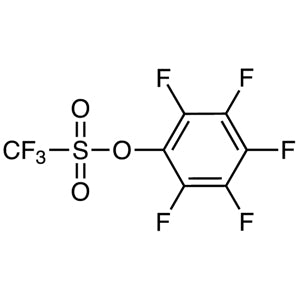
- TCI P2188 60129-85-3 Pentafluorophenyl Trifluoromethanesulfonate
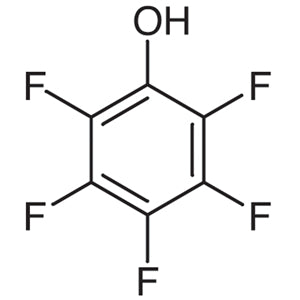
- TCI P0919 771-61-9 Pentafluorophenol
- TCI P0941 84752-61-4 Pyridinium 3-Nitrobenzenesulfonate
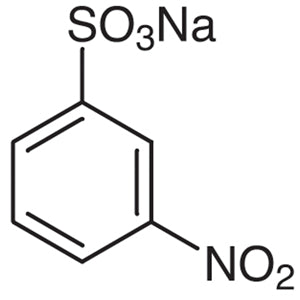
- TCI N0141 127-68-4 Sodium 3-Nitrobenzenesulfonate
- TCI G0287 115314-14-2 (S)-Glycidyl 3-Nitrobenzenesulfonate
- TCI G0286 115314-17-5 (R)-Glycidyl 3-Nitrobenzenesulfonate
- Organic synthesis research - This reagent is ideal for creating complex organic molecules due to its reactivity and solubility in organic solvents.
- Heterocyclic compound development - The compound's structure supports the synthesis of heterocyclic compounds, making it a key reagent in this field.
- Fluoro-based material synthesis - Its fluorine content makes it suitable for producing materials with specific chemical and physical properties.
- Catalytic method development - The compound's ability to participate in chain activation reactions makes it useful in catalytic research.
- Pharmaceutical research - Its reactivity and solubility properties are beneficial in the development of new drug compounds and related studies.
| Brand | TCI |
|---|---|
| CAS number | 244633-31-6 |
| Molecular formula | — |
| Purity | — |
| Category | Chemistry > Synthetic Reagents > Coupling [Synthetic Reagents] |
| Pack sizes | — |
| Physical form | — |
| Storage | Store in a cool, dry place away from light and moisture |
This compound should be stored in a cool, dry place, away from direct light and moisture to maintain its stability and reactivity. It is recommended to use airtight containers to prevent exposure to air and moisture, which could affect its chemical integrity. In a laboratory setting, proper personal protective equipment such as gloves and safety goggles should be worn when handling the compound to ensure safety. Due to its reactivity, it should be handled in a well-ventilated area to minimize any potential hazards. Regular monitoring of storage conditions is essential to ensure the compound remains in optimal condition for use in chemical reactions.
—
Produk Terkait
-
PentafluorophenylTrifluoromethanesulfonate TCI P2188
Regular price From Rp 743.400,00Regular price -
Pentafluorophenol TCI P0919
Regular price From Rp 1.590.750,00Regular price -
Pyridinium3-Nitrobenzenesulfonate TCI P0941
Regular price From Rp 664.650,00Regular price -
Sodium3-Nitrobenzenesulfonate TCI N0141
Regular price From Rp 505.050,00Regular price -
(S)-Glycidyl3-Nitrobenzenesulfonate TCI G0287
Regular price From Rp 2.094.750,00Regular price -
(R)-Glycidyl3-Nitrobenzenesulfonate TCI G0286
Regular price From Rp 3.180.450,00Regular price -
5,10,15,20-Tetrakis(pentafluorophenyl)porphyrin TCI T1730
Regular price Rp 2.199.750,00Regular price -
Pentafluorobenzylp-Toluenesulfonate[DerivatizingReagentforGCofInorganicAnions] TCI T1204
Regular price Rp 6.042.750,00Regular price




![32974-36-0 Pentafluorobenzyl p-Toluenesulfonate [Derivatizing Reagent for GC of Inorganic Anions] - AMI Scientific](http://amiscientific.com/cdn/shop/files/TCI2510T1204.jpg?v=1769057856&width=533)