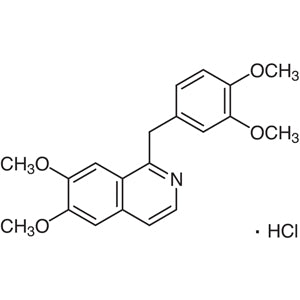
Protopine is an alkaloid compound widely utilized in biochemical and pharmacological research. As a key component in the study of biological activities, it plays a crucial role in understanding the mechanisms of drug action and pharmacological effects within the human body. Its complex chemical structure enables interactions with various molecular targets, making it an essential material for the development of new pharmaceuticals and therapeutic research. In laboratory settings, protopine is commonly used as a starting material for the synthesis of other compounds or as a reagent in qualitative and quantitative analysis.
Protopine is favored for its chemical stability under controlled conditions, although it is sensitive to excessive exposure to light and moisture. Its solubility varies depending on the solvent used, which facilitates separation and analysis processes in the laboratory. These properties make it a versatile and reliable choice for researchers working in life sciences. Its ability to interact with multiple molecular targets enhances its applicability in diverse research fields, including pharmacology, biochemistry, and organic chemistry.
In Indonesian laboratories, protopine is extensively used in pharmacological and biochemical studies. It is a popular choice among researchers due to its well-documented properties and broad range of applications. Its presence in various research projects highlights its importance in advancing scientific understanding and innovation in the life sciences sector.
TCI brochures (PDF)
- Alkaloids 2025-10-10 · p. 5
- Pharmacological research utilizes protopine to study drug mechanisms and biological effects due to its known pharmacological properties.
- Biochemical analysis benefits from protopine's ability to interact with multiple molecular targets, aiding in the investigation of biological processes.
- Organic chemistry experiments often employ protopine as a starting material for the synthesis of other alkaloid derivatives.
- Qualitative and quantitative analysis in laboratories rely on protopine's solubility characteristics for effective separation and detection.
- Therapeutic research uses protopine to explore potential applications in drug development and treatment strategies.
| Brand | TCI |
|---|---|
| CAS number | 130-86-9 |
| Molecular formula | — |
| Purity | — |
| Category | Life Science > Biochemicals and Reagents > Alkaloids |
| Pack sizes | Available in various quantities as per standard laboratory requirements |
| Physical form | Solid, typically in crystalline form |
| Storage | Store in a cool, dark place away from moisture and light |
Protopine should be stored in a cool, dark environment to prevent degradation caused by light exposure. It is recommended to keep it in a sealed container to minimize moisture contact, which can affect its stability. Due to its sensitivity, it is best stored in a desiccator or airtight container to maintain its chemical integrity. Proper labeling of containers is essential for safe handling and identification. Laboratory personnel should wear appropriate personal protective equipment when handling protopine to ensure safety. Regular monitoring of storage conditions is advised to maintain the quality and effectiveness of the compound during research applications.
—
Product Categories
- Biochemicals and ReagentsAlkaloidsIsoquinoline Alkaloids
- Biochemicals and ReagentsCrude Medicine Ingredients for Research and Experimental Use
- Cell BiologyBioactive Small MoleculesChannel Blockers
- Cell BiologyBioactive Small Molecules
- Pharmaceutical Development and Drug Discovery ResearchCrude Medicine Ingredients for Research and Experimental Use
Produk Terkait
-
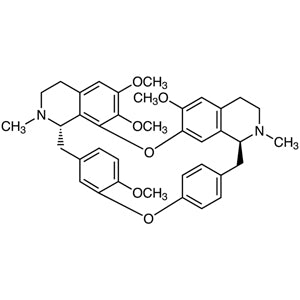
Tetrandrine TCI T3321
Regular price From Rp 2.279.550,00Regular priceRp 1.609.650,00Sale price From Rp 2.279.550,00 -
Theophylline-7-aceticAcid TCI T2941
Regular price Rp 1.087.800,00Regular priceRp 775.950,00Sale price Rp 1.087.800,00 -
(+)-Bicuculline TCI B1890
Regular price From Rp 1.140.300,00Regular priceRp 812.700,00Sale price From Rp 1.140.300,00 -
BerberineSulfate TCI B0451
Regular price From Rp 1.378.650,00Regular priceRp 979.650,00Sale price From Rp 1.378.650,00 -
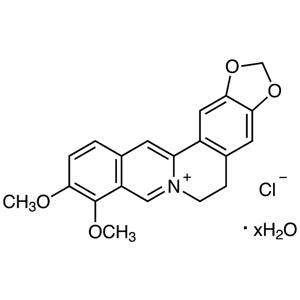
BerberineChlorideHydrate TCI B0450
Regular price From Rp 557.550,00Regular priceRp 405.300,00Sale price From Rp 557.550,00 -
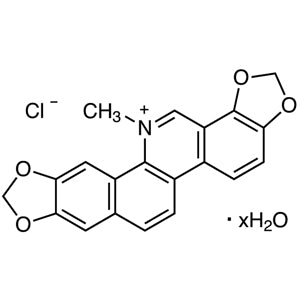
SanguinarineChlorideHydrate TCI A3229
Regular price From Rp 5.009.550,00Regular priceRp 3.518.550,00Sale price From Rp 5.009.550,00 -
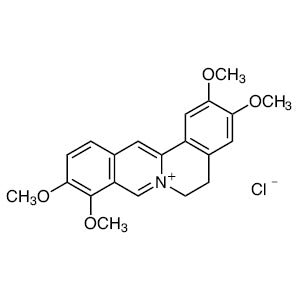
PalmatineChloride TCI P2138
Regular price Rp 3.658.200,00Regular priceRp 2.573.550,00Sale price Rp 3.658.200,00 -
PapaverineHydrochloride TCI P0016
Regular price Rp 1.087.800,00Regular priceRp 775.950,00Sale price Rp 1.087.800,00