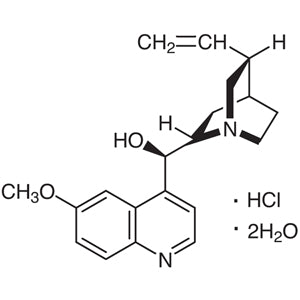
Berberine Sulfate TCI B0451, with CAS number 316-41-6, is a chemical compound widely used in laboratory experiments, particularly in the fields of chemistry and biology. As a basic dye, it plays a crucial role in identifying and separating other compounds during chemical analysis. Its application spans various research areas, making it an essential tool for scientists and researchers. This compound is commonly used in qualitative and quantitative analysis due to its ability to produce clear and consistent color reactions.
The chemical properties of Berberine Sulfate make it a preferred choice for laboratory use. It exhibits chemical stability, allowing it to maintain its integrity during various reactions. Its complex molecular structure enables it to bind with different metal ions and organic compounds, enhancing its utility in analytical processes. This versatility makes it suitable for multiple experimental setups, ensuring reliable and reproducible results. The compound’s resistance to degradation also ensures long-term usability in demanding laboratory environments.
In Indonesian laboratories, Berberine Sulfate is frequently utilized in pharmaceutical, chemical, and biological research. It is particularly relevant for chemical analysis, compound identification, and quality testing of chemical substances. Its availability in the local market ensures accessibility for researchers, supporting a wide range of experimental needs. The compound’s reliability and effectiveness make it a valuable resource for scientific investigations in Indonesia.
TCI brochures (PDF)
- Efflux Pump Research Reagents 2024-12-24 · p. 1
- Crude Medicine Ingredients for Cancer Research 2025-02-17 · p. 1
- Traditional Medicine/Crude Medicine Research Reagents 2024-09-11 · p. 1
- Alkaloids 2025-10-10 · p. 4
- Plant Research Reagents 2026-02-24 · p. 8
- Phytochemicals 2025-12-17 · p. 3
- Used in qualitative analysis for identifying metal ions and organic compounds due to its strong binding properties.
- Applied in chromatography techniques to separate and detect various chemical substances effectively.
- Employed in biological research for staining and identifying cellular components in tissue samples.
- Utilized in pharmaceutical studies for testing the efficacy and stability of drug formulations.
- Integrated into research protocols for colorimetric assays to measure concentration levels of specific compounds.
| Brand | TCI |
|---|---|
| CAS number | 316-41-6 |
| Molecular formula | — |
| Purity | — |
| Category | Chemistry > Stains and Dyes (for Research and Experimental Use) > Basic Dyes (for Research and Experimental Use) |
| Pack sizes | Available in various quantities as per standard laboratory supply formats |
| Physical form | Solid powder |
| Storage | Store in a cool, dry place away from moisture and direct sunlight |
Berberine Sulfate should be stored in a cool, dry place, away from moisture and direct sunlight to maintain its chemical stability. It is recommended to use airtight containers to prevent exposure to air and humidity, which could affect its integrity. As a basic dye, it is generally non-toxic but should be handled with care to avoid skin contact. In laboratory settings, it is important to follow standard safety protocols, such as using gloves and protective eyewear when handling. The compound is stable under normal storage conditions but should be kept out of reach of children and not stored near incompatible substances. Proper labeling of containers is essential to ensure safe handling and prevent accidental misuse.
—
Product Categories
- Biochemicals and ReagentsAlkaloidsIsoquinoline Alkaloids
- Biochemicals and ReagentsCrude Medicine Ingredients for Research and Experimental Use
- Cell BiologyNutrition ResearchPhytochemicals
- MicrobiologyEfflux Pump ResearchEfflux Pump Inhibitors
- Pharmaceutical Development and Drug Discovery ResearchCrude Medicine Ingredients for Research and Experimental Use
Produk Terkait
-
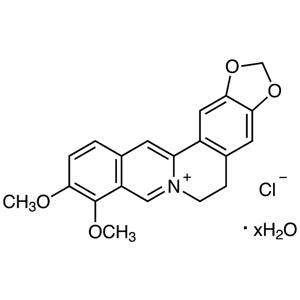
BerberineChlorideHydrate TCI B0450
Regular price From Rp 557.550,00Regular priceRp 405.300,00Sale price From Rp 557.550,00 -
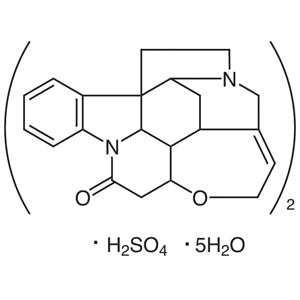
StrychnineSulfatePentahydrate TCI S0094
Regular price Rp 4.213.650,00Regular priceRp 2.962.050,00Sale price Rp 4.213.650,00 -
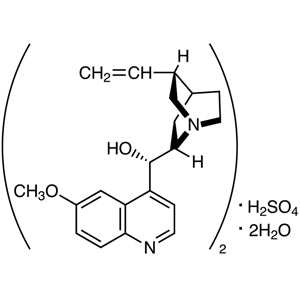
QuinidineSulfateDihydrate TCI Q0010
Regular price From Rp 848.400,00Regular priceRp 609.000,00Sale price From Rp 848.400,00 -
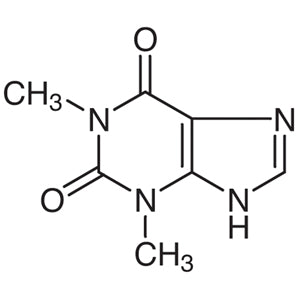
Theophylline TCI T0179
Regular price From Rp 557.550,00Regular priceRp 405.300,00Sale price From Rp 557.550,00 -
Theobromine TCI T0178
Regular price From Rp 1.272.600,00Regular priceRp 905.100,00Sale price From Rp 1.272.600,00 -
Reserpine TCI R0007
Regular price Rp 1.988.700,00Regular priceRp 1.405.950,00Sale price Rp 1.988.700,00 -
QuinineHydrochlorideDihydrate TCI Q0030
Regular price Rp 1.670.550,00Regular priceRp 1.183.350,00Sale price Rp 1.670.550,00 -
Quinine TCI Q0028
Regular price From Rp 3.232.950,00Regular priceRp 2.276.400,00Sale price From Rp 3.232.950,00