Quercetin is a flavonoid compound widely utilized in life sciences research. It plays a crucial role in biochemical studies due to its complex chemical structure and potent antioxidant properties. This compound is essential for experiments involving phenolic metabolism, biological activity assessments, and flavonoid content analysis in natural materials. Its versatility makes it a valuable tool in various scientific disciplines, particularly in pharmacology, nutrition, and biochemistry.
Quercetin is favored for its stability under controlled conditions and its ability to interact with proteins and enzymes. These characteristics make it ideal for molecular interaction studies and biochemical assays. Its strong antioxidant activity also supports research into natural products and their health benefits. Additionally, its chemical reactivity allows for a wide range of experimental applications, enhancing its appeal among researchers.
In Indonesian laboratories, Quercetin is commonly used in public health-related research, especially in studies examining the antioxidant effects of natural substances. It is frequently employed by research institutions and universities to investigate disease mechanisms and alternative treatments. Its relevance in both academic and applied research underscores its importance in the scientific community.
TCI brochures (PDF)
- Quorum Sensing Research Reagents 2024-10-17 · p. 2
- Phytochemicals 2025-12-17 · p. 12
- Antioxidant Activity Testing - Quercetin is ideal for assessing the antioxidant potential of natural extracts due to its strong free radical scavenging properties.
- Flavonoid Content Analysis - Its presence in plant-based materials makes it suitable for quantifying flavonoid compounds in botanical samples.
- Molecular Interaction Studies - The compound's ability to bind with proteins and enzymes supports research into molecular recognition and enzyme inhibition.
- Phenolic Metabolism Research - Quercetin is used to study the metabolic pathways of phenolic compounds in cellular and biochemical systems.
- Natural Product Screening - Its bioactive properties make it a key component in evaluating the therapeutic potential of plant-derived substances.
| Brand | TCI |
|---|---|
| CAS number | 117-39-5 |
| Molecular formula | — |
| Purity | — |
| Category | Life Science > Biochemicals and Reagents > Phenylpropanoids, Aromatic Polyketides |
| Pack sizes | Available in various quantities as per supplier specifications |
| Physical form | Solid powder |
| Storage | Should be stored in a cool, dark, and dry place to prevent degradation |
Quercetin should be stored in a cool, dark, and dry environment to maintain its chemical integrity and prevent degradation. It is recommended to keep it in airtight containers to minimize exposure to moisture and light, which can affect its stability. Due to its sensitivity to environmental factors, proper storage is essential to ensure consistent performance in laboratory experiments. Handling should be done with care to avoid contamination. Always use appropriate personal protective equipment when working with the compound. Regular monitoring of storage conditions helps maintain the quality and reliability of the product for research purposes.
—
Produk Terkait
-
QuercetinHydrate TCI P0042
Regular price Rp 1.378.650,00Regular priceRp 979.650,00Sale price Rp 1.378.650,00 -
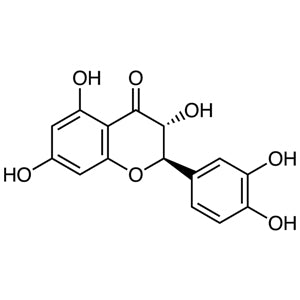
(+)-Taxifolin TCI T3666
Regular price From Rp 3.207.750,00Regular priceRp 2.258.550,00Sale price From Rp 3.207.750,00 -
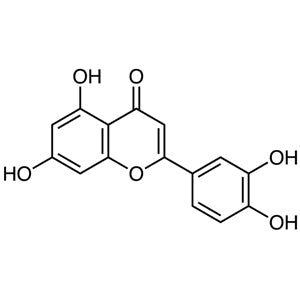
3',4',5,7-Tetrahydroxyflavone TCI T2682
Regular price From Rp 1.618.050,00Regular priceRp 1.146.600,00Sale price From Rp 1.618.050,00 -
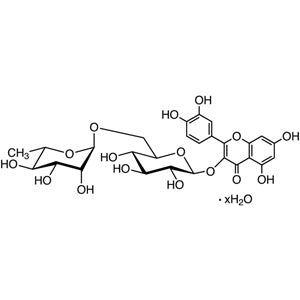
RutinHydrate TCI R0035
Regular price Rp 1.431.150,00Regular priceRp 1.016.400,00Sale price Rp 1.431.150,00 -
Kaempferol TCI K0018
Regular price From Rp 3.260.250,00Regular priceRp 2.295.300,00Sale price From Rp 3.260.250,00 -
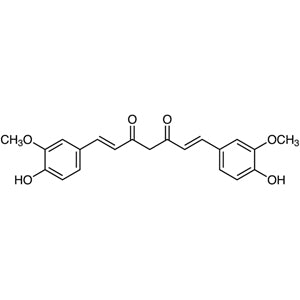
Curcumin(Synthetic) TCI C2302
Regular price From Rp 1.246.350,00Regular priceRp 887.250,00Sale price From Rp 1.246.350,00 -
Curcumin(Natural) TCI C0434
Regular price From Rp 637.350,00Regular priceRp 445.200,00Sale price From Rp 637.350,00 -
Baicalein TCI T2721
Regular price From Rp 3.153.150,00Regular priceRp 2.220.750,00Sale price From Rp 3.153.150,00