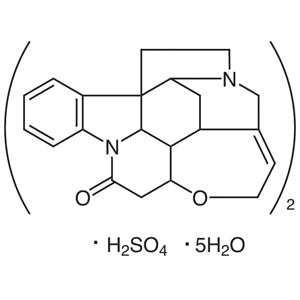
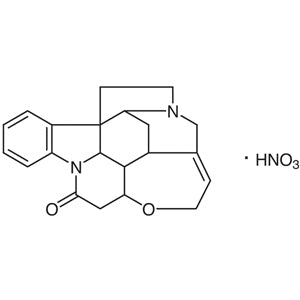
Rhynchophylline is an alkaloid compound widely used in life science research, particularly in the study of biological activities and pharmacological effects. It is commonly found in extracts of certain plants, especially from the genus *Uncaria*, which is known for its medicinal properties. In the laboratory, Rhynchophylline serves as a reagent for testing pharmacological effects, such as antihypertensive or anticancer activities. Its presence in natural extracts makes it a valuable tool for researchers exploring the potential of plant-based compounds in drug development.
Rhynchophylline is valued for its chemical stability under specific conditions, making it reliable for various experimental setups. However, it is highly sensitive to oxidation and light exposure, which necessitates careful handling and storage. These properties make it a preferred choice for researchers seeking to maintain the integrity of their experiments. Additionally, its alkaloid nature contributes to its strong biological activity, making it a key component in biochemical and pharmacological studies.
In Indonesian laboratories, Rhynchophylline is commonly used in scientific research, especially in pharmacology and the study of natural compound bioactivity. Researchers rely on it to develop new drugs or understand the mechanisms of natural substances. Due to its limited availability, it is often a sought-after material for those working on projects related to plant-derived therapeutics.
TCI brochures (PDF)
- Alkaloids 2025-10-10 · p. 6
- Pharmacological research for testing antihypertensive and anticancer effects due to its known biological activity.
- Biochemical studies to analyze the interaction of alkaloids with cellular processes and enzyme systems.
- Natural product isolation and purification processes as it is commonly found in plant extracts.
- Drug development projects focusing on plant-derived compounds for therapeutic applications.
- Toxicological assessments to evaluate the safety and potential side effects of alkaloid compounds.
| Brand | TCI |
|---|---|
| CAS number | 76-66-4 |
| Molecular formula | — |
| Purity | — |
| Category | Life Science > Biochemicals and Reagents > Alkaloids |
| Pack sizes | Available in various quantities as per standard laboratory supply |
| Physical form | Solid or crystalline, depending on the preparation |
| Storage | Store in a cool, dark place away from light and oxidizing agents |
Rhynchophylline should be stored in a cool, dark environment to prevent degradation due to light exposure. It is recommended to use airtight containers made of glass or inert materials to minimize oxidation risks. Laboratory personnel should handle the compound with care, using appropriate personal protective equipment to avoid direct contact. Due to its sensitivity, it is best to use it in small quantities and prepare fresh solutions when possible. Proper labeling and storage conditions are essential to maintain its stability and effectiveness in research applications.
—
Produk Terkait
-
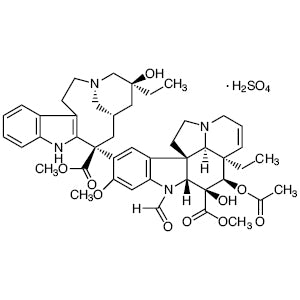
VincristineSulfate TCI V0129
Regular price Rp 4.636.800,00Regular priceRp 3.258.150,00Sale price Rp 4.636.800,00 -
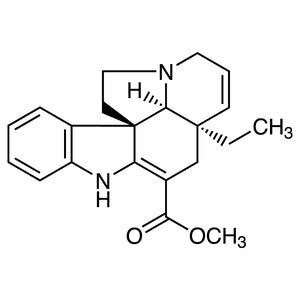
Tabersonine TCI T3500
Regular price Rp 6.042.750,00Regular priceRp 4.240.950,00Sale price Rp 6.042.750,00 -
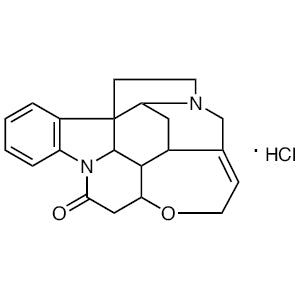
StrychnineHydrochloride TCI S0257
Regular price Rp 8.506.050,00Regular priceRp 5.964.000,00Sale price Rp 8.506.050,00 -
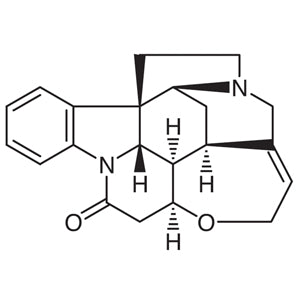
Strychnine TCI S0249
Regular price Rp 2.147.250,00Regular priceRp 1.517.250,00Sale price Rp 2.147.250,00 -
StrychnineSulfatePentahydrate TCI S0094
Regular price Rp 4.213.650,00Regular priceRp 2.962.050,00Sale price Rp 4.213.650,00 -
StrychnineNitrate TCI S0093
Regular price Rp 2.227.050,00Regular priceRp 1.572.900,00Sale price Rp 2.227.050,00 -
Rutaecarpine TCI R0102
Regular price Rp 3.895.500,00Regular priceRp 2.739.450,00Sale price Rp 3.895.500,00 -
Reserpine TCI R0007
Regular price Rp 1.988.700,00Regular priceRp 1.405.950,00Sale price Rp 1.988.700,00