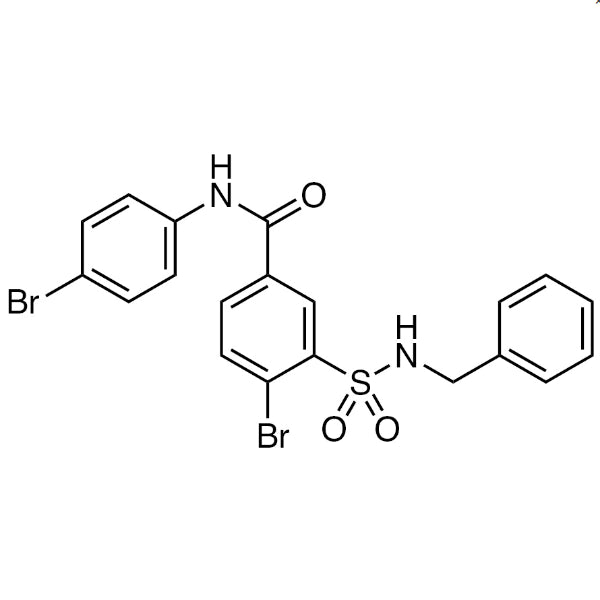
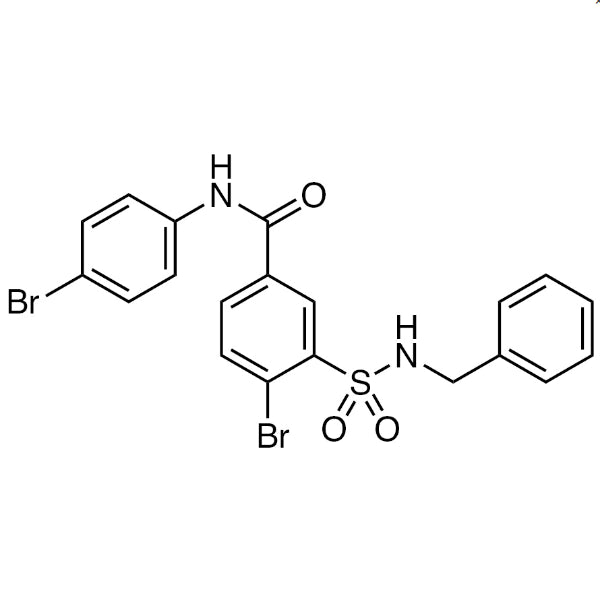
TCI R0215 312756-74-4 RS-1 is a bioactive small molecule widely utilized in life science research, particularly within cell biology. This compound plays a crucial role in laboratory settings by enabling researchers to study cellular responses to various stimuli. It is commonly employed in experiments that investigate cell growth, differentiation, and apoptosis, making it an essential tool for understanding fundamental biological processes. Its presence in research protocols allows scientists to explore the molecular mechanisms underlying cellular behavior and disease progression.
The compound is valued for its chemical stability under specific conditions and its solubility in organic solvents such as ethyl acetate and acetone. These properties make it highly versatile for both qualitative and quantitative experiments. Additionally, its high reactivity allows for precise control over chemical reactions, enhancing the accuracy of experimental outcomes. The ease of handling and consistent performance further contribute to its popularity among researchers.
In Indonesian laboratories, TCI R0215 312756-74-4 RS-1 is frequently used in pharmacological, biotechnological, and medical research. It supports the development of new drugs, the investigation of disease mechanisms, and the assessment of chemical compound side effects. Its application extends to academic institutions and research centers, where it aids in advancing scientific knowledge and innovation.
- Pharmacological Research – This compound is ideal for testing the biological effects on human and animal cells, aiding in drug discovery and development.
- Biotechnological Studies – It supports research into cell differentiation and apoptosis, which are critical in biotechnology applications.
- Medical Research – Its use in studying cellular responses helps in understanding disease mechanisms and potential therapeutic interventions.
- Toxicological Testing – The compound's reactivity and solubility make it suitable for assessing the toxicity of various chemical substances.
- Cell Culture Experiments – It is commonly used in experiments involving cell growth and differentiation, providing insights into cellular behavior under different conditions.
| Brand | TCI |
|---|---|
| CAS number | 312756-74-4 |
| Molecular formula | — |
| Purity | — |
| Category | Life Science > Cell Biology > Bioactive Small Molecules |
| Pack sizes | — |
| Physical form | — |
| Storage | Store in a cool, dry place away from direct sunlight |
This compound should be stored in a cool, dry environment, away from direct sunlight and sources of heat. It is recommended to keep it in a tightly sealed container to prevent exposure to moisture and air. Due to its reactivity, it should be handled with appropriate personal protective equipment, such as gloves and safety goggles. It is important to ensure that the storage area is well-ventilated to minimize any potential risks associated with its chemical properties. Proper labeling and storage practices are essential to maintain the integrity and safety of the compound in a laboratory setting.
—
Produk Terkait
-
TrichostatinA TCI T2477
Regular price From Rp 10.387.650,00Regular price -
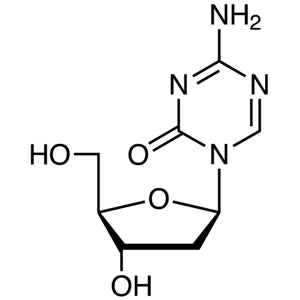
5-Aza-2'-deoxycytidine TCI A2232
Regular price From Rp 3.367.350,00Regular price -
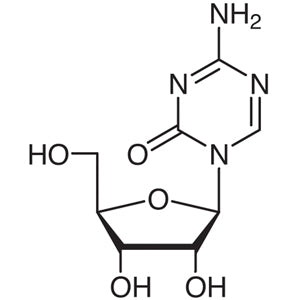
5-Azacytidine TCI A2033
Regular price From Rp 1.115.100,00Regular price -
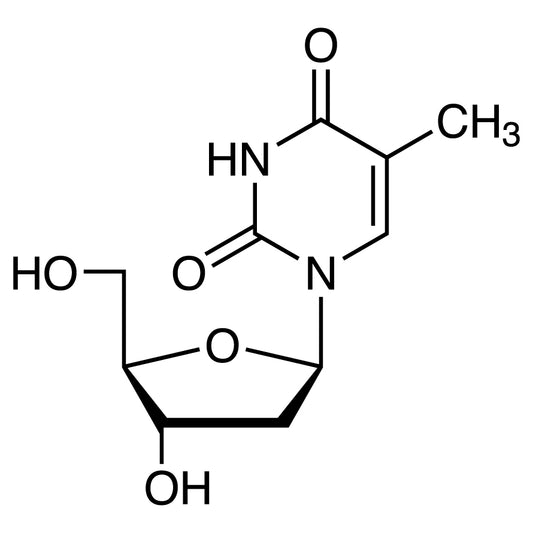
Thymidine TCI T0233
Regular price From Rp 848.400,00Regular price -
SodiumButyrate TCI S0519
Regular price From Rp 530.250,00Regular price -
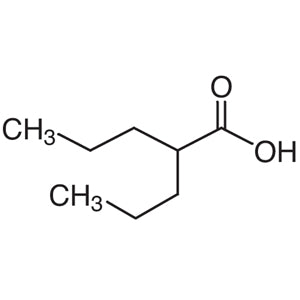
2-PropylvalericAcid TCI P0823
Regular price From Rp 1.749.300,00Regular price -
Nocodazole TCI N1138
Regular price From Rp 4.584.300,00Regular price -
NU7441 TCI N1110
Regular price From Rp 4.771.200,00Regular price