Saponin is a naturally occurring chemical compound with a complex structure commonly found in specific plants. It plays a crucial role in laboratory settings, particularly in chemical and biochemical experiments. Due to its unique properties, saponin is widely used in pharmacological and molecular biology research. Its ability to form foam and affect cell membranes makes it an essential component in various scientific investigations. This compound is also valuable for its interactions with other substances, making it a versatile tool in experimental chemistry.
Saponin is preferred for its physical and chemical characteristics, including solubility in water and reactivity with various organic compounds. These properties make it suitable for experiments requiring complex molecular interactions. Additionally, saponin exhibits a certain level of stability under specific conditions, which facilitates long-term storage and use. Its non-toxic and environmentally friendly nature further enhances its appeal for laboratory applications. This combination of features ensures that saponin remains a reliable and safe choice for researchers.
In Indonesian laboratories, saponin is extensively used in research focused on bioactive compounds and their potential therapeutic applications. It is commonly employed in studies related to antioxidant and antibacterial activities. Its role in the synthesis of other compounds also makes it an important reagent in chemical laboratories. As a result, saponin is a fundamental material in both academic and industrial research settings across Indonesia.
TCI brochures (PDF)
- Saponin is used in pharmacological research for studying its effects on cell membranes and biological systems.
- It is applied in biochemical experiments to investigate its foaming properties and interactions with organic compounds.
- Saponin is utilized in molecular biology for its role in protein and lipid interactions during experimental studies.
- It is commonly employed in antioxidant activity testing due to its chemical reactivity and solubility in aqueous solutions.
- Saponin supports the synthesis of other compounds, making it a valuable reagent in organic chemistry laboratories.
| Brand | TCI |
|---|---|
| CAS number | 8047-15-2 |
| Molecular formula | — |
| Purity | — |
| Category | Chemistry > Chemical Biology > Glycoscience |
| Pack sizes | Available in various quantities as per standard laboratory supply |
| Physical form | Solid or powder, depending on the specific product variant |
| Storage | Store in a cool, dry place away from direct sunlight |
Saponin should be stored in a cool, dry environment to maintain its stability and prevent degradation. It is recommended to keep it in airtight containers to avoid moisture exposure, which could affect its chemical properties. Due to its non-toxic nature, handling is generally safe, but standard laboratory precautions should still be followed. Ensure that the storage area is well-ventilated to prevent any potential accumulation of airborne particles. Proper labeling of containers is essential for safe handling and to prevent accidental misuse. Always follow standard safety protocols when working with chemical compounds to ensure a safe laboratory environment.
—
Product Categories
- GlycoscienceApplications Using Glyco-materialsGlyco-engeneering [Applications Using Glyco-materials]
- GlycoscienceApplications Using Glyco-materialsGlyco-utilization [Applications Using Glyco-materials]
- GlycoscienceFunctional OligosaccharidesNatural Glycosides [Functional Oligosaccharides]
- GlycoscienceSugars (Other) [Glycoscience]
- Biochemicals and ReagentsCarbohydrates
Produk Terkait
-
Loganin TCI L0268
Regular price From Rp 2.518.950,00Regular priceRp 1.776.600,00Sale price From Rp 2.518.950,00 -
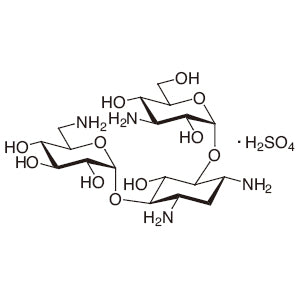
KanamycinMonosulfate TCI K0047
Regular price Rp 1.272.600,00Regular priceRp 905.100,00Sale price Rp 1.272.600,00 -
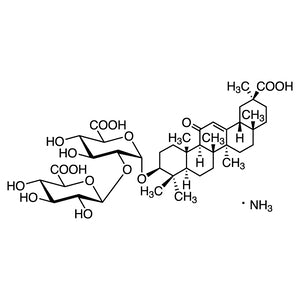
MonoammoniumGlycyrrhizinate TCI G0151
Regular price Rp 769.650,00Regular priceRp 553.350,00Sale price Rp 769.650,00 -
MonoammoniumGlycyrrhizinate TCI M3857
Regular price From Rp 662.550,00Regular priceRp 478.800,00Sale price From Rp 662.550,00 -
Arbutin TCI A0522
Regular price From Rp 505.050,00Regular priceRp 368.550,00Sale price From Rp 505.050,00 -
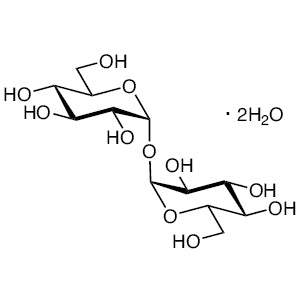
D-(+)-TrehaloseDihydrate TCI T0331
Regular price From Rp 557.550,00Regular priceRp 405.300,00Sale price From Rp 557.550,00 -
PotassiumHyaluronatefromCockscomb TCI H0652
Regular price Rp 9.459.450,00Regular priceRp 6.630.750,00Sale price Rp 9.459.450,00 -
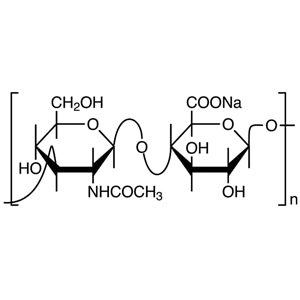
SodiumHyaluronatefromCockscomb TCI H0603
Regular price From Rp 2.411.850,00Regular priceRp 1.702.050,00Sale price From Rp 2.411.850,00