Sodium Pivalate Hydrate (TCI S0978) is a chemical compound widely used in laboratory settings for its role in catalytic reactions involving transition metals. It plays a crucial part in cross-coupling reactions, specifically in the formation of carbon-carbon (C-C) bonds, which are fundamental in organic chemistry. This compound is essential for researchers working on complex molecular synthesis, as it enables the creation of new chemical structures under controlled conditions. Its versatility makes it a valuable tool in both academic and industrial research environments.
The compound is known for its chemical stability and solubility in various organic solvents, including ethyl acetate and ethanol. These properties make it a preferred choice for use in reactions that require consistent performance and minimal degradation. Its reactivity is well-balanced, allowing for efficient and high-yield reactions without compromising the integrity of the final product. Additionally, its non-toxic nature and relatively safe handling characteristics contribute to its popularity among laboratory professionals.
In Indonesian laboratories, Sodium Pivalate Hydrate is commonly used in organic chemistry research and molecular synthesis projects. Its role in facilitating C-C bond formation is particularly important in the development of new compounds and pharmaceuticals. Due to its reliability and effectiveness, it is a standard reagent in many chemical laboratories across the country, supporting both basic and advanced research activities.
TCI brochures (PDF)
- C-H Bond Activation Reaction 2025-06-20 · p. 10
Related TCI products
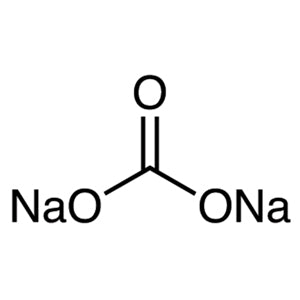
- TCI S0560 497-19-8 Sodium Carbonate
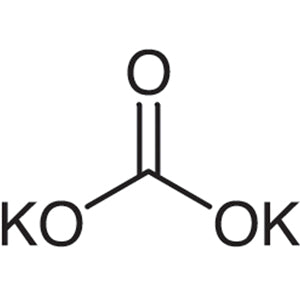
- TCI P1748 584-08-7 Potassium Carbonate
- TCI C2160 534-17-8 Cesium Carbonate
- TCI T1442 42152-46-5 Copper(I) Trifluoromethanesulfonate Benzene Complex
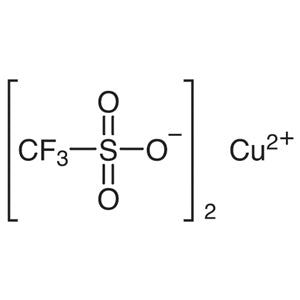
- TCI T1292 34946-82-2 Copper(II) Trifluoromethanesulfonate
- TCI B5239 940934-47-4 4,5-Bis(dicyclohexylphosphino)-9,9-dimethylxanthene
- Cross-coupling Reactions: Sodium Pivalate Hydrate is ideal for transition metal-catalyzed C-C bond formation, enabling the synthesis of complex organic molecules.
- Organic Synthesis: Its stability and solubility make it suitable for a wide range of organic reactions, including coupling and functional group transformations.
- Catalytic Processes: The compound supports catalytic systems by providing a reactive environment for metal-based catalysts to function efficiently.
- Molecular Construction: It is frequently used in the assembly of complex molecular frameworks, especially in pharmaceutical and materials science research.
- Reaction Optimization: Its predictable behavior allows researchers to fine-tune reaction conditions for improved yield and selectivity.
| Brand | TCI |
|---|---|
| CAS number | 143174-36-1 |
| Molecular formula | — |
| Purity | — |
| Category | Chemistry > Catalysis and Inorganic Chemistry > Cross-coupling Reaction using Transition Metal Catalysts [C-C Bond Formation] |
| Pack sizes | Available in various quantities to suit different laboratory needs |
| Physical form | Hydrate form, typically a white crystalline solid |
| Storage | — |
Sodium Pivalate Hydrate should be stored in a cool, dry place away from direct sunlight and moisture. It is recommended to use airtight containers to prevent exposure to humidity, which could affect its stability. The compound is generally non-hazardous, but standard laboratory safety practices should be followed, including the use of personal protective equipment when handling. Due to its chemical stability, it does not require special storage conditions beyond those typical for most organic reagents. Proper labeling and storage in a well-ventilated area are essential for safe handling and long-term preservation.
—
Product Categories
- Catalysis and Inorganic ChemistryCross-coupling Reaction using Transition Metal Catalysts [C-C Bond Formation]Bases and Additives [Cross-coupling Reaction using Transition Metal Catalysts]
- Synthetic ReagentsC-C Bond Formation [Synthetic Reagents]Cross-coupling Reaction using Transition Metal Catalysts [C-C Bond Formation]
- Synthetic ReagentsC-X(Non-Halogen) Bond Formation [Synthetic Reagents]C-H Bond Activation Reaction [Synthetic Reagents]
Produk Terkait
-
SodiumCarbonate TCI S0560
Regular price Rp 477.750,00Regular priceRp 333.900,00Sale price Rp 477.750,00 -
PotassiumCarbonate TCI P1748
Regular price Rp 505.050,00Regular priceRp 352.800,00Sale price Rp 505.050,00 -
CesiumCarbonate TCI C2160
Regular price From Rp 1.378.650,00Regular priceRp 979.650,00Sale price From Rp 1.378.650,00 -
Copper(I)TrifluoromethanesulfonateBenzeneComplex TCI T1442
Regular price From Rp 2.041.200,00Regular priceRp 1.426.950,00Sale price From Rp 2.041.200,00 -
Copper(II)Trifluoromethanesulfonate TCI T1292
Regular price From Rp 1.510.950,00Regular priceRp 1.056.300,00Sale price From Rp 1.510.950,00 -
4,5-Bis(dicyclohexylphosphino)-9,9-dimethylxanthene TCI B5239
Regular price From Rp 1.431.150,00Regular priceRp 1.016.400,00Sale price From Rp 1.431.150,00 -
[1,3-Bis(2,6-diisopropylphenyl)imidazol-2-ylidene]triphenylphosphineNickel(II)Dichloride TCI B3235
Regular price From Rp 2.518.950,00Regular priceRp 1.776.600,00Sale price From Rp 2.518.950,00 -
4,5-Bis(diphenylphosphino)-9,9-dimethylxanthene TCI B2709
Regular price From Rp 1.351.350,00Regular priceRp 960.750,00Sale price From Rp 1.351.350,00