1,3,5-Triisopropylbenzene is an organic chemical compound widely used as a foundational material in various chemical reactions. It is a symmetrical aromatic compound with three isopropyl groups attached at positions 1, 3, and 5. This structure makes it a versatile building block in organic synthesis, particularly in the development of complex molecules. Its stability and reactivity make it an essential component in laboratory settings where precise chemical transformations are required. This compound is commonly used in both academic and industrial research environments for its predictable behavior in chemical processes.
The compound is non-polar and exhibits low solubility in water, which makes it ideal for reactions that require a non-polar environment. It is also suitable for electrophilic substitution reactions and other organic transformations carried out in organic solvents. Its high boiling point ensures that it remains stable during high-temperature processes without excessive volatility. These properties make it a preferred choice for chemists working on a wide range of synthetic pathways.
In Indonesian laboratories, 1,3,5-Triisopropylbenzene is extensively used in organic chemistry research, especially in higher education institutions and research centers. It is a key reagent in pharmaceutical and chemical studies, supporting the development of new compounds and materials. Its availability and reliability make it a standard material in both teaching and research laboratories across Indonesia.
- Organic synthesis is a primary application, as it serves as a key building block for creating complex molecules.
- Pharmaceutical research benefits from its use in the development of new drug compounds and chemical intermediates.
- Chemical education in Indonesian universities relies on it for teaching fundamental reaction mechanisms and synthetic pathways.
- Industrial research and development incorporates it for the production of specialty chemicals and materials.
- Analytical chemistry applications utilize it as a standard reference material for calibration and testing procedures.
| Brand | TCI |
|---|---|
| CAS number | 717-74-8 |
| Molecular formula | — |
| Purity | — |
| Category | Chemistry > Building Blocks > Non-Heterocyclic Building Blocks |
| Pack sizes | Available in various quantities as per supplier specifications |
| Physical form | Liquid |
| Storage | Store in a cool, dry place away from direct sunlight |
This compound should be stored in a cool, dry environment, away from direct sunlight and sources of heat. It is recommended to use airtight containers made of glass or stainless steel to prevent contamination and evaporation. Due to its non-polar nature, it should be handled in a well-ventilated area to avoid inhalation of vapors. Proper personal protective equipment, including gloves and safety goggles, should be worn during handling. It is not flammable but should be kept away from incompatible materials such as strong oxidizing agents. Regular monitoring of storage conditions is advised to ensure long-term stability and safety in the laboratory.
—
Produk Terkait
-
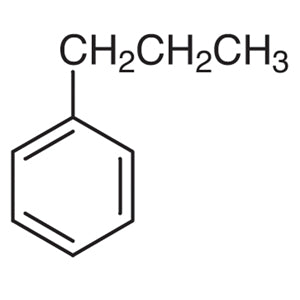
Propylbenzene TCI P0523
Regular price From Rp 823.200,00Regular priceRp 575.400,00Sale price From Rp 823.200,00 -
1-Ethyl-4-isopropylbenzene TCI E1406
Regular price From Rp 2.491.650,00Regular priceRp 1.741.950,00Sale price From Rp 2.491.650,00 -
1-Ethynyl-4-propylbenzene TCI E0750
Regular price From Rp 1.035.300,00Regular priceRp 723.450,00Sale price From Rp 1.035.300,00 -
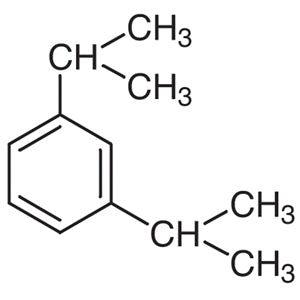
1,3-Diisopropylbenzene TCI D2490
Regular price From Rp 610.050,00Regular priceRp 426.300,00Sale price From Rp 610.050,00 -
Diisopropylbenzene(mixtureofisomers) TCI D0929
Regular price Rp 505.050,00Regular priceRp 352.800,00Sale price Rp 505.050,00 -
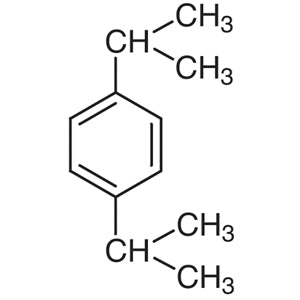
1,4-Diisopropylbenzene TCI D0928
Regular price From Rp 1.087.800,00Regular priceRp 760.200,00Sale price From Rp 1.087.800,00 -
1,3-Diisopropylbenzene TCI D0927
Regular price From Rp 477.750,00Regular priceRp 333.900,00Sale price From Rp 477.750,00 -
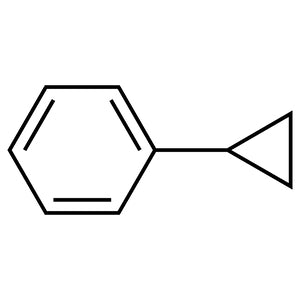
Cyclopropylbenzene TCI P2963
Regular price From Rp 3.630.900,00Regular priceRp 2.538.900,00Sale price From Rp 3.630.900,00