2,4,6-Tris(3',5'-di-tert-butyl-4'-hydroxybenzyl)mesitylene is a specialized chemical compound used in material science and polymer chemistry. It serves as an antioxidant stabilizer during polymer synthesis, particularly in applications requiring thermal stability and resistance to oxidation. In the laboratory, this compound plays a crucial role in protecting polymers from degradation caused by heat or exposure to air. Its molecular structure allows for effective interaction with polymer chains, offering robust protection against free radicals.
This material is preferred due to its chemical stability and high-temperature resistance, making it ideal for both industrial and research applications. Its non-volatile nature ensures it remains effective throughout the processing stages without evaporating. These properties make it a reliable choice for researchers aiming to maintain polymer integrity under challenging conditions. Additionally, its availability and performance in extreme environments contribute to its widespread use in advanced material development.
In Indonesian laboratories, this compound is extensively used in polymer research, especially in the development of composite materials and anti-oxidant formulations. Its stability and effectiveness in harsh conditions make it a top choice for studies involving oxidation inhibition. Researchers in Indonesia rely on this compound for its consistent performance and reliability in various experimental setups.
TCI brochures (PDF)
- Polymer Additives 2026-04-16 · p. 8
Related TCI products
- TCI T3653 27676-62-6 1,3,5-Tris(3,5-di-tert-butyl-4-hydroxybenzyl)-1,3,5-triazinane-2,4,6-trione
- TCI R0127 174813-82-2 RuCl[(R,R)-Tsdpen](mesitylene)
- TCI R0126 174813-81-1 RuCl[(S,S)-Tsdpen](mesitylene)
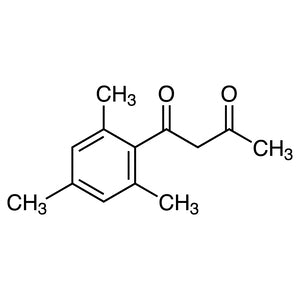
- TCI M1272 6450-57-3 1-(2-Mesitylene)-1,3-butanedione
- TCI B2164 2316-64-5 5-Bromo-2-hydroxybenzyl Alcohol
- TCI H1299 74772-78-4 5-(4-Hydroxybenzyl)-2,4-thiazolidinedione
- Polymer Stabilization: This compound is used to enhance the thermal and oxidative stability of polymers, preventing degradation during high-temperature processing.
- Composite Material Development: It is incorporated into composite formulations to improve resistance to environmental stressors and prolong material lifespan.
- Anti-Oxidant Research: It serves as a key component in studies focused on oxidation inhibition, particularly in materials exposed to harsh conditions.
- Industrial Coating Formulations: Its non-volatile nature makes it suitable for use in coating systems where long-term stability is required.
- Material Degradation Studies: It is used in experiments to analyze how polymers degrade under different environmental conditions and to develop protective additives.
| Brand | TCI |
|---|---|
| CAS number | 1709-70-2 |
| Molecular formula | — |
| Purity | — |
| Category | Materials Science > Polymer/Macromolecule Reagents > Polymer Additives |
| Pack sizes | Available in standard laboratory quantities |
| Physical form | Solid (exact form may vary depending on supplier) |
| Storage | Store in a cool, dry place away from direct sunlight and heat sources |
This compound should be stored in a cool, dry environment, away from direct sunlight and heat sources to maintain its stability and effectiveness. It is recommended to use airtight containers to prevent moisture absorption and contamination. Due to its chemical stability, it does not require refrigeration but should be kept in a secure location to avoid accidental exposure. In laboratory settings, it is important to handle the material with appropriate personal protective equipment, such as gloves and safety goggles, to ensure safe handling. Regular inspection of storage conditions is advised to ensure the material remains in optimal condition for use.
—
Produk Terkait
-
1,3,5-Tris(3,5-di-tert-butyl-4-hydroxybenzyl)-1,3,5-triazinane-2,4,6-trione TCI T3653
Regular price From Rp 1.538.250,00Regular priceRp 1.090.950,00Sale price From Rp 1.538.250,00 -
RuCl[(R,R)-Tsdpen](mesitylene) TCI R0127
Regular price From Rp 1.246.350,00Regular priceRp 887.250,00Sale price From Rp 1.246.350,00 -
RuCl[(S,S)-Tsdpen](mesitylene) TCI R0126
Regular price From Rp 1.246.350,00Regular priceRp 887.250,00Sale price From Rp 1.246.350,00 -
1-(2-Mesitylene)-1,3-butanedione TCI M1272
Regular price From Rp 4.479.300,00Regular priceRp 3.132.150,00Sale price From Rp 4.479.300,00 -
5-Bromo-2-hydroxybenzylAlcohol TCI B2164
Regular price From Rp 557.550,00Regular priceRp 389.550,00Sale price From Rp 557.550,00 -
5-(4-Hydroxybenzyl)-2,4-thiazolidinedione TCI H1299
Regular price Rp 3.392.550,00Regular priceRp 2.387.700,00Sale price Rp 3.392.550,00 -
4-HydroxybenzylCyanide TCI H0657
Regular price From Rp 928.200,00Regular priceRp 664.650,00Sale price From Rp 928.200,00 -
Dimethyl2-(4-Methoxybenzylidene)malonate TCI D5642
Regular price From Rp 1.087.800,00Regular priceRp 775.950,00Sale price From Rp 1.087.800,00

](http://amiscientific.com/cdn/shop/files/TCI2510R0127_7a06f747-1984-46be-bb36-d9b636483380.jpg?v=1792654461&width=533)
 - AMI Scientific](http://amiscientific.com/cdn/shop/files/TCI2510R0127.jpg?v=1767137913&width=533)
](http://amiscientific.com/cdn/shop/files/TCI2510R0126_4709eef1-aa36-447e-9566-b413411814fb.jpg?v=1792654459&width=533)
 - AMI Scientific](http://amiscientific.com/cdn/shop/files/TCI2510R0126.jpg?v=1767137909&width=533)