TCI A0057 2,2-Dimethoxypropane is the acetal of acetone and methanol, supplied as an organic liquid. In the laboratory it is best known as a reagent for forming acetonide protecting groups on diols, which is why it is classed under glycoscience within chemical biology. It has a second role as a chemical water scavenger, because it reacts with water to give acetone and methanol. The product carries the CAS number 77-76-9 and is offered under the TCI brand for research laboratories that need a dependable protecting-group reagent.
The property that makes this reagent a preferred choice is that it does two jobs at once. It supplies the isopropylidene unit that protects neighboring hydroxyl groups, and it removes the water formed during the reaction, so the equilibrium shifts toward the product. With an acid catalyst the reaction can run under relatively simple conditions. The by-products, acetone and methanol, are volatile, so purification is often easier. Users should remember that the liquid is flammable and sensitive to both acids and moisture.
In Indonesian laboratories, 2,2-dimethoxypropane is useful for research groups working on carbohydrates, natural product chemistry, and organic synthesis that need efficient diol protection. The 25 mL and 500 mL pack sizes let a laboratory choose a quantity that fits its work. Smaller packs suit method development and small-scale experiments, and larger packs suit groups that run the reaction regularly. Laboratories can therefore match the purchase to their actual workload and avoid holding more flammable, moisture-sensitive liquid than they need.
TCI brochures (PDF)
- Protecting Agents 2025-03-25 · p. 8
- Reagents for Glyco Chemistry & Biology 5th Edition · p. 137
- Acetonide protection of diols: the compound supplies the isopropylidene unit that protects adjacent hydroxyl groups, and its water-consuming behavior pushes the reaction toward the protected product.
- Carbohydrate and glycoscience research: sugars and related polyols often need selective protection of neighboring hydroxyl groups, and this reagent gives a practical route to acetonide derivatives for later synthetic steps.
- Chemical water scavenging: because it reacts with water to form acetone and methanol, the reagent can remove traces of moisture from a reaction mixture where the water would otherwise interfere.
- Natural product chemistry: researchers who modify polyhydroxylated natural compounds can use it to mask diol groups temporarily, so that other positions on the molecule can be changed selectively.
- General organic synthesis: multistep syntheses often need a protecting group that is easy to install and whose volatile by-products simplify purification, and this acetal meets both needs.
| Brand | TCI |
|---|---|
| CAS number | 77-76-9 |
| Molecular formula | — |
| Purity | — |
| Category | Chemistry > Chemical Biology > Glycoscience |
| Pack sizes | 25 mL and 500 mL |
| Physical form | organic liquid, flammable and sensitive to acids and moisture |
| Storage | — |
- Product code: A0057
Keep the product in its original, tightly closed container, away from heat, open flames, and other ignition sources, because the liquid is flammable. It is sensitive to acids and moisture, so store it in a dry place and keep it apart from acidic substances. Close the container promptly after each use so the reagent does not take up water from the air. Work in a well-ventilated area or a fume hood, and wear appropriate protective equipment such as gloves, safety glasses, and a laboratory coat. Avoid contact with skin and eyes. Label any transfer vessels clearly, and dispose of waste according to the laboratory's chemical waste procedures. Read the safety data sheet before first use.
—
Product Categories
Produk Terkait
-
N-(2,2,2-Trichloroethoxycarbonyloxy)succinimide TCI T2713
Regular price Rp 2.173.500,00Regular priceRp 1.535.100,00Sale price Rp 2.173.500,00 -
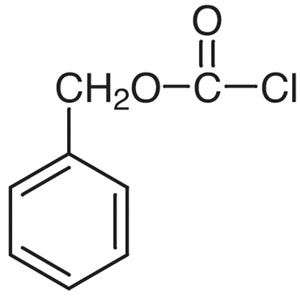
BenzylChloroformate TCI B3021
Regular price From Rp 689.850,00Regular priceRp 497.700,00Sale price From Rp 689.850,00 -
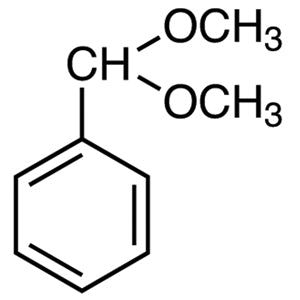
BenzaldehydeDimethylAcetal TCI B1197
Regular price From Rp 477.750,00Regular priceRp 333.900,00Sale price From Rp 477.750,00 -
AllylBromide TCI B0643
Regular price From Rp 557.550,00Regular priceRp 389.550,00Sale price From Rp 557.550,00 -
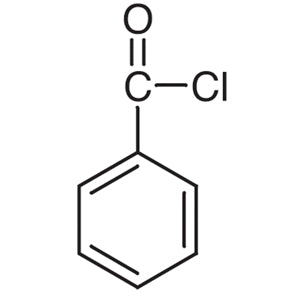
BenzoylChloride TCI B0105
Regular price Rp 557.550,00Regular priceRp 405.300,00Sale price Rp 557.550,00 -
BenzoicAnhydride TCI B0078
Regular price Rp 637.350,00Regular priceRp 460.950,00Sale price Rp 637.350,00 -
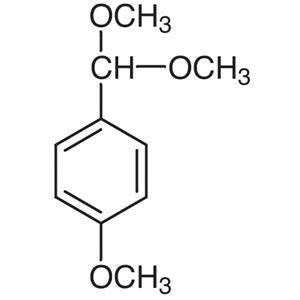
p-AnisaldehydeDimethylAcetal TCI A1247
Regular price From Rp 1.803.900,00Regular priceRp 1.261.050,00Sale price From Rp 1.803.900,00