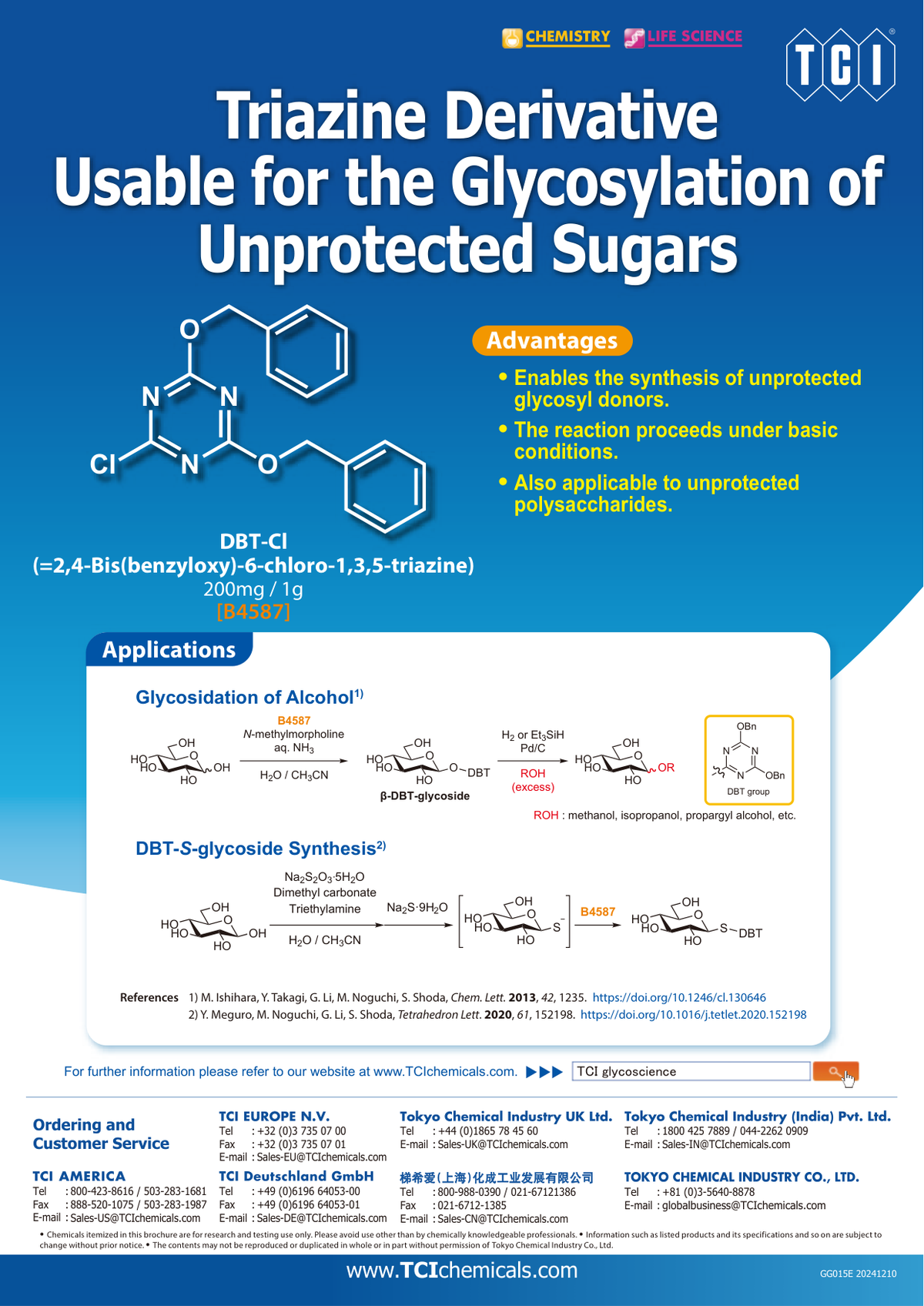
2,4-Bis(benzyloxy)-6-chloro-1,3,5-triazine is a chemical compound widely used in research across chemistry and biological sciences. This compound plays a crucial role in laboratory settings, particularly in the synthesis of organic molecules with specific biological activities. Its molecular structure, which combines a triazine ring with benzyloxy groups, makes it a versatile building block for various chemical reactions. Due to its stability and controlled reactivity, it is a valuable tool for researchers aiming to develop new compounds with tailored properties.
The compound’s unique chemical properties make it a preferred choice for many applications. It exhibits good solubility in organic solvents, which facilitates its use in a wide range of synthetic processes. Its reactivity can be precisely controlled, allowing for selective chemical modifications. These characteristics enable it to be used in complex molecule synthesis and molecular modification experiments. The stability of the compound under certain conditions also enhances its usability and longevity in laboratory environments.
In Indonesian laboratories, this compound is commonly used in research related to glycoscience and chemical biology. It supports studies aimed at understanding molecular interactions and developing new therapeutic agents. Its availability and reliability make it a staple in academic and industrial research settings, contributing to advancements in chemical and biological research.
Advantages (TCI brochure)
- Enables the synthesis of unprotected glycosyl donors.
- The reaction proceeds under basic conditions.
- Also applicable to unprotected polysaccharides.
TCI brochures (PDF)
- Triazine Derivative Usable for the Glycosylation of Unprotected Sugars 2024-12-10 · p. 1
- Glycosidation 2026-04-14 · p. 3
- Protecting Agents 2025-03-25 · p. 12
- Reagents for Glyco Chemistry & Biology 5th Edition · p. 131
- Glycoscience research utilizes this compound for synthesizing glycosylated molecules due to its reactive benzyloxy groups.
- Organic synthesis experiments benefit from its stability and controlled reactivity, allowing for precise chemical modifications.
- Bioactive compound development leverages its molecular structure to create compounds with specific biological functions.
- Molecular modification studies employ it as a versatile building block for creating complex chemical structures.
- Chemical biology experiments use it to explore molecular interactions and reaction mechanisms in controlled environments.
From the TCI brochure
- Glycosidation of alcohol (ROH: methanol, isopropanol, propargyl alcohol, etc.)
- DBT-S-glycoside synthesis
- Glycosylation of unprotected sugars and polysaccharides
| Brand | TCI |
|---|---|
| CAS number | 851030-18-7 |
| Molecular formula | — |
| Purity | — |
| Category | Chemistry > Chemical Biology > Glycoscience |
| Pack sizes | Available in various quantities as per standard laboratory requirements |
| Physical form | Solid |
| Storage | Store in a cool, dry place away from direct sunlight |
Data from the TCI brochure
| Kemasan | 200mg / 1g |
|---|
Source: TCI brochure GG015 (2024-12-10)
This compound should be stored in a cool, dry environment, away from direct sunlight and sources of heat. It is recommended to use airtight containers to prevent moisture absorption and contamination. Due to its chemical nature, it should be handled in a well-ventilated area, preferably with appropriate personal protective equipment. Avoid exposure to incompatible substances to ensure safety. Proper labeling and storage conditions are essential to maintain its stability and effectiveness in laboratory applications. Always follow standard laboratory safety protocols when handling and storing chemical compounds.
References cited in the TCI brochure
- Masaki Ishihara. Protection-free Synthesis of Alkyl Glycosides under Hydrogenolytic Conditions Chemistry Letters, 2013. doi:10.1246/cl.130646
- Yasuhiro Meguro. Efficient generation of thiolate sugars from glycosyl Bunte salts and its application to S-glycoside synthesis Tetrahedron Letters, 2020. doi:10.1016/j.tetlet.2020.152198
Product Categories
Produk Terkait
-
N-(2,2,2-Trichloroethoxycarbonyloxy)succinimide TCI T2713
Regular price Rp 2.173.500,00Regular priceRp 1.535.100,00Sale price Rp 2.173.500,00 -
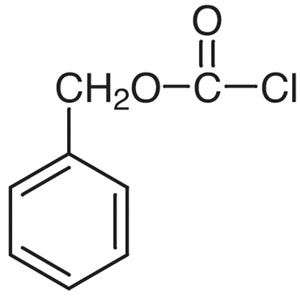
BenzylChloroformate TCI B3021
Regular price From Rp 689.850,00Regular priceRp 497.700,00Sale price From Rp 689.850,00 -
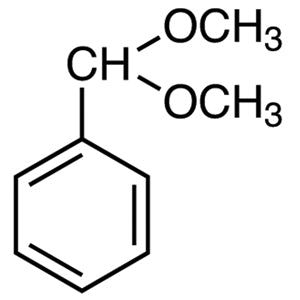
BenzaldehydeDimethylAcetal TCI B1197
Regular price From Rp 477.750,00Regular priceRp 333.900,00Sale price From Rp 477.750,00 -
AllylBromide TCI B0643
Regular price From Rp 557.550,00Regular priceRp 389.550,00Sale price From Rp 557.550,00 -
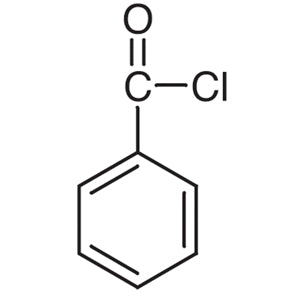
BenzoylChloride TCI B0105
Regular price Rp 557.550,00Regular priceRp 405.300,00Sale price Rp 557.550,00 -
BenzoicAnhydride TCI B0078
Regular price Rp 637.350,00Regular priceRp 460.950,00Sale price Rp 637.350,00 -
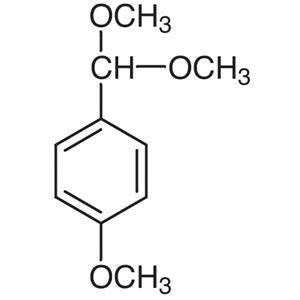
p-AnisaldehydeDimethylAcetal TCI A1247
Regular price From Rp 1.803.900,00Regular priceRp 1.261.050,00Sale price From Rp 1.803.900,00 -
2,2-Dimethoxypropane TCI A0057
Regular price From Rp 477.750,00Regular priceRp 333.900,00Sale price From Rp 477.750,00