6-Azauridine is a chemical compound widely used in biochemical and molecular biology experiments. Its structure closely resembles a nucleotide, enabling it to interact with enzymes such as DNA polymerase. This interaction makes it a valuable tool in studying the mechanisms of DNA replication and RNA transcription. In the laboratory, it is commonly used to inhibit DNA synthesis, serving as an essential component in research related to cell growth and cancer processes. Its ability to bind and inhibit DNA enzymes makes it a preferred choice for various biochemical applications.
The chemical properties of 6-Azauridine make it a preferred choice for laboratory use. It exhibits stability under certain conditions but remains highly reactive in reactions involving nucleotides. This reactivity, combined with its ability to effectively bind DNA enzymes, ensures its utility in a range of biotechnological applications. Its solid form and ease of handling further enhance its practicality in laboratory settings. These characteristics make it a reliable and efficient reagent for both research and educational purposes.
In Indonesian laboratories, 6-Azauridine is commonly used in biomedical and pharmacological research. It is an essential component in studies examining the pharmacological effects and mechanisms of drug action. Many research institutions in Indonesia utilize this compound for experimental purposes, including educational experiments at universities. Its versatility and effectiveness make it a popular choice among researchers and educators in the region.
TCI brochures (PDF)
- Base Modified Nucleosides and Nucleotides for Epigenetic Research 2025-04-14 · p. 1
- Nucleosides, Nucleotides, Nucleic Acids and Related Reagents 2026-03-23 · p. 3
- Reagents for Biological Research 2025-03-11 · p. 60
- Biochemical Research: 6-Azauridine is ideal for studying DNA replication and enzyme inhibition due to its nucleotide-like structure and interaction with DNA polymerase.
- Cancer Cell Studies: It is used to inhibit DNA synthesis, making it valuable for investigating cell growth and tumor development mechanisms.
- Pharmacological Investigations: The compound aids in analyzing drug mechanisms by studying its effects on DNA and enzyme activity.
- Molecular Biology Experiments: Its ability to bind DNA enzymes makes it suitable for experiments involving nucleic acid chemistry and genetic processes.
- Educational Research: It is commonly used in university laboratories for teaching and demonstrating biochemical and molecular biology concepts.
| Brand | TCI |
|---|---|
| CAS number | 54-25-1 |
| Molecular formula | — |
| Purity | — |
| Category | Chemistry > Chemical Biology > Nucleic Acid Chemistry |
| Pack sizes | Available in various quantities as per supplier specifications |
| Physical form | Solid |
| Storage | Store in a cool, dry place away from light and moisture |
6-Azauridine should be stored in a cool, dry place, away from light and moisture to maintain its chemical stability. It is recommended to use airtight containers to prevent exposure to air and humidity. As a reactive compound, it should be handled with care in a well-ventilated laboratory environment. Protective gloves and safety goggles are advised during handling to ensure personal safety. Proper disposal procedures should be followed to comply with laboratory safety standards and environmental regulations. Regular monitoring of storage conditions is essential to preserve the integrity and effectiveness of the compound.
—
Product Categories
- Biochemicals and ReagentsNucleosides, Nucleotides, OligonucleotidesNucleoside Analogs
- Biochemicals and ReagentsNucleosides, Nucleotides, OligonucleotidesNucleosides
- Molecular BiologyEpigeneticsBase Modified Nucleosides and Nucleotides
- Pharmaceutical Development and Drug Discovery ResearchNucleic Acid ChemistryBase Modified Nucleosides and Nucleotides
Produk Terkait
-
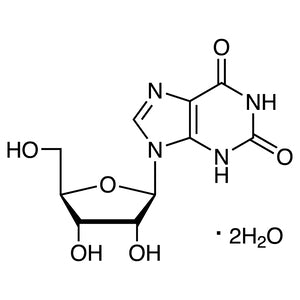
XanthosineDihydrate TCI X0008
Regular price Rp 1.167.600,00Regular priceRp 831.600,00Sale price Rp 1.167.600,00 -
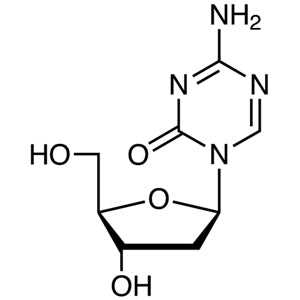
5-Aza-2'-deoxycytidine TCI A2232
Regular price From Rp 3.419.850,00Regular priceRp 2.406.600,00Sale price From Rp 3.419.850,00 -
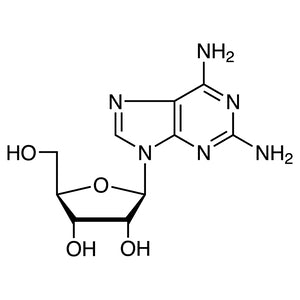
2-Aminoadenosine TCI A2135
Regular price From Rp 1.060.500,00Regular priceRp 757.050,00Sale price From Rp 1.060.500,00 -
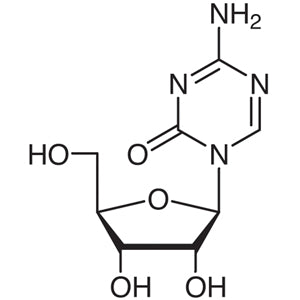
5-Azacytidine TCI A2033
Regular price From Rp 1.167.600,00Regular priceRp 831.600,00Sale price From Rp 1.167.600,00 -
Pseudouridine TCI P2396
Regular price Rp 9.063.600,00Regular priceRp 6.353.550,00Sale price Rp 9.063.600,00 -
8-Oxoadenosine TCI O0401
Regular price From Rp 4.001.550,00Regular priceRp 2.814.000,00Sale price From Rp 4.001.550,00 -
5-Methylcytidine TCI M1931
Regular price Rp 4.266.150,00Regular priceRp 2.998.800,00Sale price Rp 4.266.150,00 -
Inosine TCI I0037
Regular price From Rp 1.405.950,00Regular priceRp 998.550,00Sale price From Rp 1.405.950,00