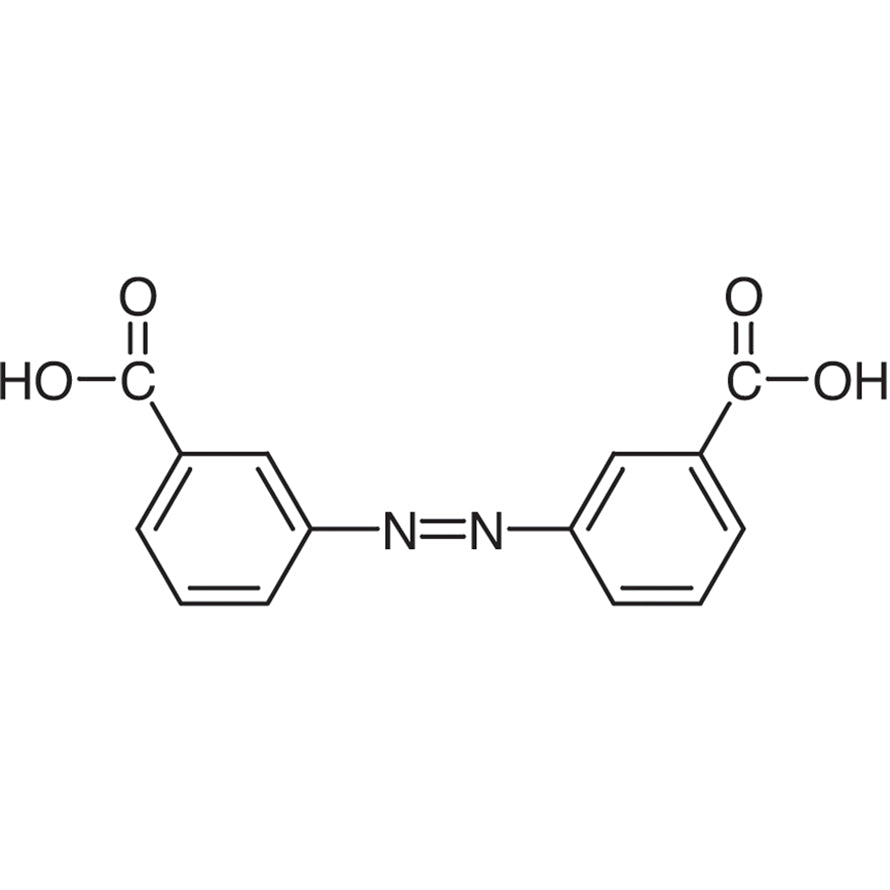
Azobenzene-3,3'-dicarboxylic Acid is a chemical compound widely used in scientific experiments within the fields of materials science and chemistry. This compound is a key reagent in polymer and macromolecule research, serving as a monomer in the synthesis of complex organic compounds and polymers. Its unique molecular structure, featuring two carboxyl groups at the 3 and 3' positions of azobenzene, makes it a versatile building block for various chemical reactions. Due to its reactivity and structural versatility, it is an essential component in the development of advanced materials with specialized properties.
The compound's chemical properties, including its stability under certain conditions and sensitivity to environmental factors such as moisture and light, make it a preferred choice for researchers. Its ability to participate in bond-forming and breaking reactions enhances its utility in polymerization processes and organic modification techniques. These characteristics allow it to be used in a wide range of applications, from creating light-responsive materials to developing temperature-sensitive polymers. Its reactivity and structural adaptability contribute to its significance in modern chemical research.
In Indonesian laboratories, Azobenzene-3,3'-dicarboxylic Acid is commonly used in material science and chemical research for the development of new polymers, organic compounds, and specialty chemicals. It plays a crucial role in academic and industrial research, supporting innovation in polymer synthesis and functional material design. Its application is essential in both academic and applied research settings, contributing to the advancement of chemical and material sciences in Indonesia.
TCI brochures (PDF)
- Monomers 2025-05-28 · p. 34
Related TCI products
- TCI A1596 586-91-4 Azobenzene-4,4'-dicarboxylic Acid
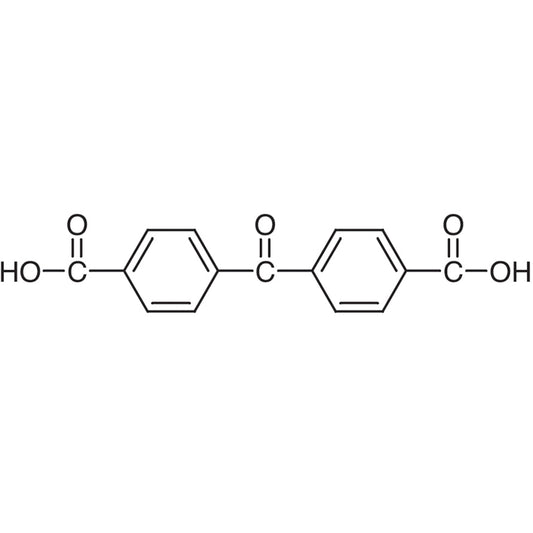
- TCI B1741 964-68-1 Benzophenone-4,4'-dicarboxylic Acid
- TCI B0084 85-58-5 Benzophenone-2,4'-dicarboxylic Acid Monohydrate
- TCI A1681 27485-15-0 Anthraquinone-2,3-dicarboxylic Acid
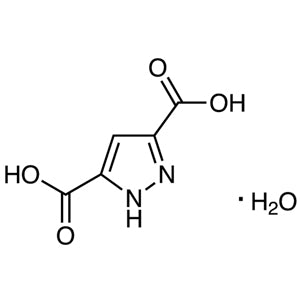
- TCI P1048 303180-11-2 Pyrazole-3,5-dicarboxylic Acid Monohydrate
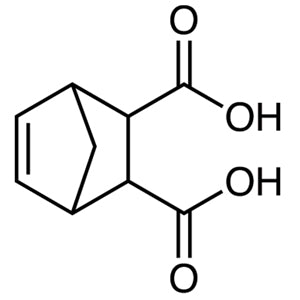
- TCI N1029 3813-52-3 5-Norbornene-2,3-dicarboxylic Acid
- Polymer synthesis and modification where azobenzene functionality is required for light or temperature responsiveness.
- Organic chemistry research involving bond formation and breaking reactions due to its reactive carboxyl groups.
- Development of advanced materials with tailored properties for industrial and academic applications.
- Creation of light-sensitive polymers used in optoelectronic and photonic devices.
- Investigation of molecular interactions in macromolecular systems for structural and functional studies.
| Brand | TCI |
|---|---|
| CAS number | 621-18-1 |
| Molecular formula | — |
| Purity | — |
| Category | Materials Science > Polymer/Macromolecule Reagents > Monomers |
| Pack sizes | As per supplier specifications |
| Physical form | Solid (as per standard product description) |
| Storage | Keep in a cool, dry place away from light and moisture |
Azobenzene-3,3'-dicarboxylic Acid should be stored in a cool, dry environment, away from direct light and moisture to maintain its chemical stability. It is recommended to use airtight containers to prevent exposure to humidity and contaminants. Due to its sensitivity to environmental conditions, it should be handled with care to avoid degradation. Laboratory personnel should wear appropriate personal protective equipment when handling the compound. Storage should be in a well-ventilated area to ensure safety and prevent any potential chemical interactions. Proper labeling and storage practices are essential to ensure safe handling and use in laboratory settings.
—
Produk Terkait
-
Azobenzene-4,4'-dicarboxylicAcid TCI A1596
Regular price From Rp 3.419.850,00Regular price -
Benzophenone-4,4'-dicarboxylicAcid TCI B1741
Regular price Rp 6.360.900,00Regular price -
Benzophenone-2,4'-dicarboxylicAcidMonohydrate TCI B0084
Regular price Rp 3.922.800,00Regular price -
Anthraquinone-2,3-dicarboxylicAcid TCI A1681
Regular price Rp 9.461.550,00Regular price -
Pyrazole-3,5-dicarboxylicAcidMonohydrate TCI P1048
Regular price Rp 1.483.650,00Regular priceRp 1.053.150,00Sale price Rp 1.483.650,00 -
5-Norbornene-2,3-dicarboxylicAcid TCI N1029
Regular price Rp 1.273.650,00Regular priceRp 890.400,00Sale price Rp 1.273.650,00 -
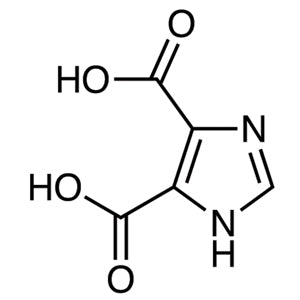
1H-Imidazole-4,5-dicarboxylicAcid TCI I0003
Regular price Rp 2.677.500,00Regular priceRp 1.887.900,00Sale price Rp 2.677.500,00 -
3,4-Ethylenedioxythiophene-2,5-dicarboxylicAcid TCI E0743
Regular price Rp 2.359.350,00Regular priceRp 1.665.300,00Sale price Rp 2.359.350,00