N-(2-Aminoethyl)-2-nitrobenzenesulfonamide Hydrochloride is a chemical compound widely used in organic synthesis reactions. It serves as a key building block in the development of complex molecules that require high reactivity and the ability to form bonds with various functional groups. In the laboratory, this compound plays a crucial role in the synthesis of pharmaceuticals, industrial chemicals, and analytical compounds. Its versatile nature makes it an essential tool for chemists and researchers aiming to create new substances with specific properties.
The compound's unique structure, featuring both an amino group and a sulfonamide group, contributes to its high reactivity. These functional groups enable it to participate effectively in substitution and electrophilic reactions, making it a preferred choice for synthetic chemists. Its stability under controlled laboratory conditions further enhances its utility. The presence of multiple reactive sites allows it to be modified in various ways, supporting the creation of a wide range of chemical derivatives.
In Indonesian laboratories, this compound is commonly used by chemists, students, and pharmaceutical industries for the synthesis of complex compounds. Its availability in the local market ensures accessibility for research and educational institutions. Its role in the development of new drugs and chemical products underscores its importance in both academic and industrial settings.
TCI brochures (PDF)
- Sulfonylation Reagents 2023-01-20 · p. 2
- Polyamines 2025-10-21 · p. 4
Related TCI products
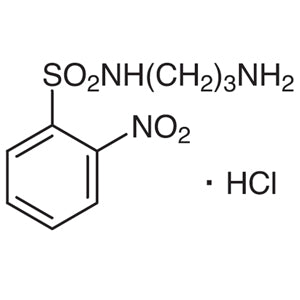
- TCI A2268 863983-46-4 N-(3-Aminopropyl)-2-nitrobenzenesulfonamide Hydrochloride
- TCI B1445 4741-99-5 N,N'-Bis(2-aminoethyl)-1,3-propanediamine
- TCI B1291 3033-62-3 Bis(2-dimethylaminoethyl) Ether
- TCI A2609 202256-86-8 4-(2-Aminoethyl)cyclohexylamine (cis- and trans- mixture)
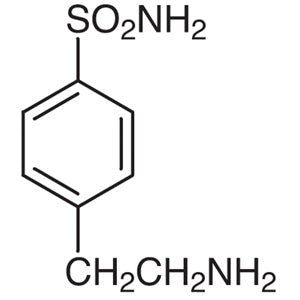
- TCI A1363 35303-76-5 4-(2-Aminoethyl)benzenesulfonamide
- TCI A1284 19248-13-6 N-(2-Aminoethyl)-N-ethyl-m-toluidine
- Pharmaceutical synthesis for the development of new drug compounds due to its reactivity and structural versatility.
- Organic chemistry research for the creation of complex molecules requiring functional group modifications.
- Industrial chemical production for the manufacture of specialty chemicals with specific functional properties.
- Analytical chemistry applications for the synthesis of compounds used in analytical testing procedures.
- Educational laboratory experiments to teach students about organic synthesis and chemical reactivity.
| Brand | TCI |
|---|---|
| CAS number | 92504-03-5 |
| Molecular formula | — |
| Purity | — |
| Category | Chemistry > Building Blocks > Non-Heterocyclic Building Blocks |
| Pack sizes | Available in various quantities as per standard laboratory supply formats |
| Physical form | Solid powder |
| Storage | Store in a cool, dry place away from direct sunlight |
This compound should be stored in a cool, dry environment to maintain its stability and prevent degradation. It is recommended to use airtight containers to minimize exposure to moisture and air. Due to its reactivity, it should be handled with appropriate personal protective equipment, such as gloves and safety goggles. It is important to ensure that the storage area is well-ventilated to avoid the accumulation of harmful vapors. Proper labeling of containers is essential for safe handling and to prevent accidental exposure. Always follow standard laboratory safety protocols when working with reactive chemical compounds.
—
Produk Terkait
-
N-(3-Aminopropyl)-2-nitrobenzenesulfonamideHydrochloride TCI A2268
Regular price From Rp 3.312.750,00Regular priceRp 2.332.050,00Sale price From Rp 3.312.750,00 -
N,N'-Bis(2-aminoethyl)-1,3-propanediamine TCI B1445
Regular price Rp 1.378.650,00Regular priceRp 963.900,00Sale price Rp 1.378.650,00 -
Bis(2-dimethylaminoethyl)Ether TCI B1291
Regular price From Rp 900.900,00Regular priceRp 645.750,00Sale price From Rp 900.900,00 -
4-(2-Aminoethyl)cyclohexylamine(cis-andtrans-mixture) TCI A2609
Regular price From Rp 3.232.950,00Regular priceRp 2.276.400,00Sale price From Rp 3.232.950,00 -
4-(2-Aminoethyl)benzenesulfonamide TCI A1363
Regular price Rp 1.220.100,00Regular priceRp 868.350,00Sale price Rp 1.220.100,00 -
N-(2-Aminoethyl)-N-ethyl-m-toluidine TCI A1284
Regular price Rp 4.001.550,00Regular priceRp 2.798.250,00Sale price Rp 4.001.550,00 -
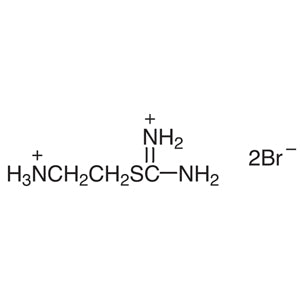
S-(2-Aminoethyl)isothiouroniumBromideHydrobromide TCI A1078
Regular price Rp 2.147.250,00Regular priceRp 1.517.250,00Sale price Rp 2.147.250,00 -
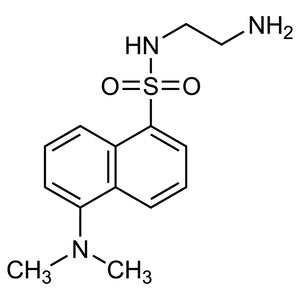
N-(2-Aminoethyl)-5-(dimethylamino)naphthalene-1-sulfonamide TCI D6499
Regular price Rp 1.988.700,00Regular priceRp 1.405.950,00Sale price Rp 1.988.700,00