Aluminium hydroxide (Al(OH)₃), with the CAS number 21645-51-2, is a versatile chemical compound widely used in laboratory settings. It is a key component in various chemical experiments, particularly in catalytic processes and inorganic chemistry. As a main-group element compound, it plays a crucial role in both qualitative and quantitative analysis. Its unique chemical and physical properties make it an essential material for researchers and chemists. This compound is commonly found in chemical synthesis, especially in the preparation of both organic and inorganic compounds. Its stability and reactivity under controlled conditions make it a reliable choice for a wide range of laboratory applications.
Aluminium hydroxide is known for its amphoteric nature, meaning it can react with both acids and bases. This dual reactivity allows it to be used in a variety of chemical reactions, including precipitation and neutralization processes. Its stable crystalline structure contributes to its reliability in laboratory experiments. Additionally, it is relatively non-toxic and has high stability under normal conditions, making it safe for use in many chemical processes. These properties make it a preferred choice for laboratories requiring a stable and versatile reagent.
In Indonesian laboratories, aluminium hydroxide is extensively used in research across various chemical disciplines. It is commonly found in analytical chemistry, where it serves as a precipitating agent. Its role in catalytic reactions and as a reagent in synthesis processes is well recognized. Due to its stability and reactivity, it is a staple in both academic and industrial research settings. Its widespread use in Indonesia highlights its importance in the country’s chemical research community.
TCI brochures (PDF)
- Metallic Salts 2025-11-06 · p. 9
Related TCI products
- Used in catalytic reactions due to its ability to act as a heterogeneous catalyst in various chemical transformations.
- Applied in analytical chemistry for precipitation reactions where it helps in the separation of ions from solution.
- Utilized in the synthesis of inorganic compounds as a reagent that can participate in acid-base reactions.
- Employed in the preparation of metal hydroxides and oxides through controlled hydrolysis processes.
- Incorporated in environmental studies for the removal of heavy metals from contaminated water samples.
| Brand | TCI |
|---|---|
| CAS number | 21645-51-2 |
| Molecular formula | — |
| Purity | — |
| Category | Chemistry > Catalysis and Inorganic Chemistry > Main-group Elements |
| Pack sizes | Available in various quantities as per supplier specifications |
| Physical form | Solid powder |
| Storage | Store in a cool, dry place away from moisture and direct sunlight |
Aluminium hydroxide should be stored in a cool, dry environment to maintain its chemical stability. It is recommended to keep it in airtight containers to prevent moisture absorption, which could affect its performance in chemical reactions. Due to its non-toxic nature, it is generally safe to handle, but standard laboratory precautions should still be followed, such as wearing gloves and safety goggles. It is not flammable and does not react violently with most common laboratory chemicals, making it relatively safe for routine use. Proper labeling and storage conditions are essential to ensure its effectiveness and safety in laboratory applications.
—
Produk Terkait
-
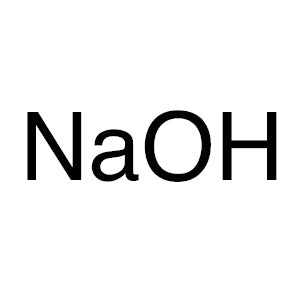
SodiumHydroxide(2mol/LinWater) TCI S0543
Regular price Rp 477.750,00Regular priceRp 333.900,00Sale price Rp 477.750,00 -
SodiumHydroxide(1mol/LinWater) TCI S0542
Regular price Rp 530.250,00Regular priceRp 370.650,00Sale price Rp 530.250,00 -
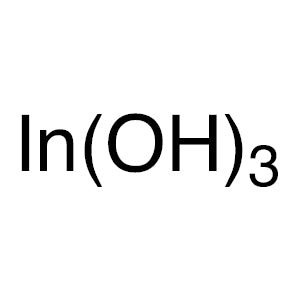
Indium(III)Hydroxide TCI I1147
Regular price From Rp 1.351.350,00Regular priceRp 960.750,00Sale price From Rp 1.351.350,00 -
Bismuth(III)Hydroxide TCI B6474
Regular price From Rp 2.518.950,00Regular priceRp 1.760.850,00Sale price From Rp 2.518.950,00 -
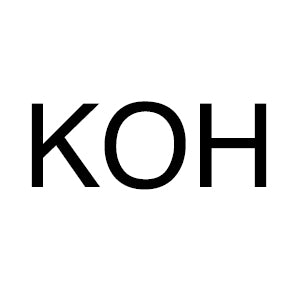
PotassiumHydroxide(Pellets) TCI P2849
Regular price From Rp 452.550,00Regular priceRp 316.050,00Sale price From Rp 452.550,00 -
PotassiumHydroxide(Powder) TCI P2844
Regular price From Rp 505.050,00Regular priceRp 352.800,00Sale price From Rp 505.050,00 -
SodiumHydroxide(Granulated) TCI O0575
Regular price From Rp 477.750,00Regular priceRp 333.900,00Sale price From Rp 477.750,00 -
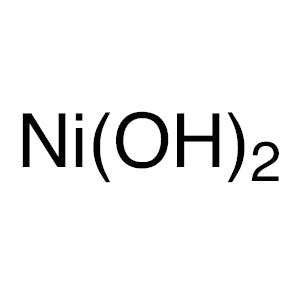
Nickel(II)Hydroxide TCI N1202
Regular price From Rp 664.650,00Regular priceRp 464.100,00Sale price From Rp 664.650,00