N4-Acetylcytidine is a chemical compound widely used in nucleotide chemistry and biochemical experiments. As a derivative of pyrimidine nucleotides, it plays a crucial role in the synthesis and modification of nucleic acids such as RNA and DNA. This compound is essential for studying molecular processes like transcription and translation, which are fundamental to genetic research. Its chemical structure allows it to participate in complex reactions, making it a valuable tool for scientists working in various biological and chemical fields.
N4-Acetylcytidine is preferred for its stability and solubility in organic solvents such as ethyl acetate and acetone. These properties make it easy to handle and integrate into a wide range of chemical reactions. Its non-toxic nature and ease of manipulation further enhance its appeal for laboratory use. The compound's consistent performance and predictable behavior in experimental settings ensure reliable results, supporting both academic and industrial research efforts.
In Indonesian laboratories, N4-Acetylcytidine is commonly used in biochemistry, pharmacology, and genetics research. It is an essential component of research equipment and reagent supplies, contributing to the advancement of scientific knowledge. Its versatility and reliability make it a staple in laboratories that focus on nucleic acid modification and related biochemical processes.
TCI brochures (PDF)
- Methylated Nucleoside in the 5’-Terminal Structure of Eukaryotic mRNA 2025-04-14 · p. 1
- Base Modified Nucleosides and Nucleotides for Epigenetic Research 2025-04-14 · p. 1
- Nucleosides, Nucleotides, Nucleic Acids and Related Reagents 2026-03-23 · p. 4
- Biochemical research utilizes N4-Acetylcytidine for studying nucleotide modifications and their impact on genetic expression.
- Pharmacological studies often incorporate this compound to develop bioactive substances with therapeutic potential.
- Genetic research benefits from its role in DNA and RNA synthesis, aiding in the exploration of genetic mechanisms.
- Molecular biology experiments rely on N4-Acetylcytidine for the preparation of nucleotide-based reagents and probes.
- Biotechnology applications use it in the design of synthetic nucleic acids for various industrial and medical purposes.
| Brand | TCI |
|---|---|
| CAS number | 3768-18-1 |
| Molecular formula | — |
| Purity | — |
| Category | Chemistry > Chemical Biology > Nucleic Acid Chemistry |
| Pack sizes | Available in various quantities as per supplier specifications |
| Physical form | Solid powder |
| Storage | Store in a cool, dry place away from direct sunlight |
N4-Acetylcytidine should be stored in a cool, dry environment to maintain its chemical stability. It is recommended to keep the compound in a sealed container to prevent moisture absorption and contamination. Due to its solubility in organic solvents, it should be handled in a well-ventilated area to ensure safe laboratory practices. Avoid exposure to heat and direct light to preserve its integrity. Standard laboratory safety protocols should be followed when handling this compound, including the use of appropriate personal protective equipment. Its non-toxic nature reduces the risk of harmful effects, but proper handling remains essential for maintaining a safe and efficient research environment.
—
Product Categories
Produk Terkait
-
5-Methylcytidine TCI M1931
Regular price Rp 4.266.150,00Regular priceRp 2.998.800,00Sale price Rp 4.266.150,00 -
2'-Deoxy-5-methylcytidine TCI D3610
Regular price From Rp 1.326.150,00Regular priceRp 942.900,00Sale price From Rp 1.326.150,00 -
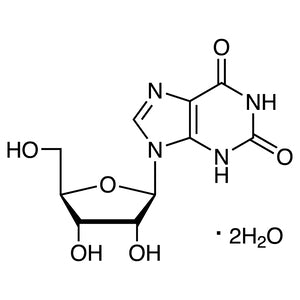
XanthosineDihydrate TCI X0008
Regular price Rp 1.167.600,00Regular priceRp 831.600,00Sale price Rp 1.167.600,00 -
2-Thiouridine TCI T4108
Regular price Rp 3.683.400,00Regular priceRp 2.591.400,00Sale price Rp 3.683.400,00 -
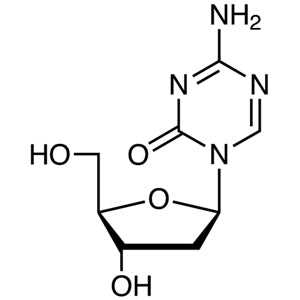
5-Aza-2'-deoxycytidine TCI A2232
Regular price From Rp 3.419.850,00Regular priceRp 2.406.600,00Sale price From Rp 3.419.850,00 -
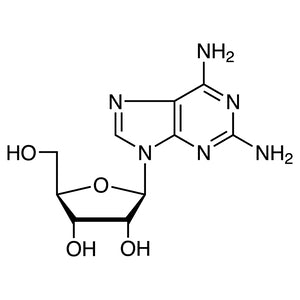
2-Aminoadenosine TCI A2135
Regular price From Rp 1.060.500,00Regular priceRp 757.050,00Sale price From Rp 1.060.500,00 -
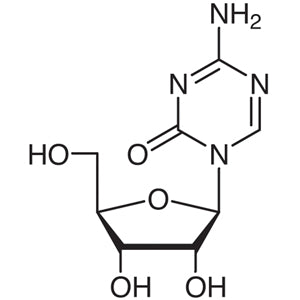
5-Azacytidine TCI A2033
Regular price From Rp 1.167.600,00Regular priceRp 831.600,00Sale price From Rp 1.167.600,00 -
6-Azauridine TCI A0559
Regular price Rp 505.050,00Regular priceRp 368.550,00Sale price Rp 505.050,00