Alpha-Naphthoflavone is a chemical compound widely used in various chemical experiments and scientific research. As a member of the flavonoid family, it possesses a complex molecular structure that makes it a key component in the synthesis of heterocyclic compounds. Its unique chemical properties enable it to be a valuable tool in organic chemistry and pharmacology, where researchers investigate the reactivity and chemical behavior of complex molecules. In the laboratory, it serves as a foundational material for the creation of new compounds and the testing of biological activities.
This compound is favored for its chemical stability under specific conditions, although it is highly sensitive to ultraviolet light and oxidation. Its solubility varies depending on the solvent used, which facilitates separation and isolation processes in experimental settings. These characteristics make it an ideal choice for precise chemical reactions requiring controlled environments. Its versatility and predictable behavior contribute to its widespread use in both academic and industrial research.
In Indonesian laboratories, alpha-naphthoflavone is commonly used in organic chemistry and pharmacology research. It is frequently employed by research institutions and universities for experiments aimed at understanding molecular interactions and developing new pharmaceutical compounds. Its role in scientific inquiry is essential, supporting both basic and applied research in the chemical sciences.
- Organic synthesis experiments benefit from alpha-naphthoflavone due to its role in forming complex heterocyclic structures, enabling the development of new chemical compounds.
- Pharmacological studies utilize this compound to investigate its biological activity and potential therapeutic applications in drug discovery.
- Analytical chemistry applications rely on its solubility properties for separation and isolation techniques in compound purification processes.
- Environmental research uses alpha-naphthoflavone to study its behavior in different solvents and its impact on chemical reactions under varied conditions.
- Biochemical assays incorporate this compound to assess its reactivity and interaction with other molecules in biological systems.
| Brand | TCI |
|---|---|
| CAS number | 604-59-1 |
| Molecular formula | — |
| Purity | — |
| Category | Chemistry > Building Blocks > Heterocyclic Building Blocks |
| Pack sizes | Available in various quantities as per standard laboratory supply formats |
| Physical form | Solid, typically in crystalline or powder form |
| Storage | Store in a cool, dark place away from light and oxidizing agents |
Alpha-naphthoflavone should be stored in a cool, dark environment to prevent degradation due to UV light exposure. It is recommended to use airtight containers made of glass or inert plastic to minimize contamination and maintain chemical stability. The compound is sensitive to oxidation, so it should be kept away from strong oxidizing agents and high humidity. Proper labeling of containers is essential for safe handling and identification. In laboratory settings, it is important to use appropriate personal protective equipment, such as gloves and safety goggles, when handling this compound. Regular monitoring of storage conditions ensures the compound remains effective for its intended applications.
—
Produk Terkait
-
beta-Naphthoflavone TCI N0518
Regular price From Rp 648.000,00Regular priceRp 456.000,00Sale price From Rp 648.000,00 -
Melatonin TCI M1105
Regular price From Rp 1.945.000,00Regular priceRp 1.339.000,00Sale price From Rp 1.945.000,00 -
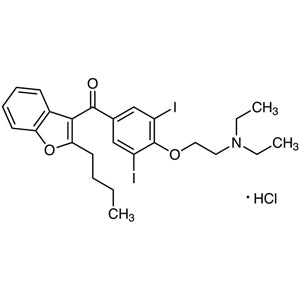
AmiodaroneHydrochloride TCI A2530
Regular price From Rp 1.503.000,00Regular priceRp 1.039.000,00Sale price From Rp 1.503.000,00 -
Ritonavir TCI R0116
Regular price From Rp 2.074.000,00Regular priceRp 1.427.000,00Sale price From Rp 2.074.000,00 -
OmeprazoleSulfide TCI O0437
Regular price From Rp 1.322.000,00Regular priceRp 915.000,00Sale price From Rp 1.322.000,00 -
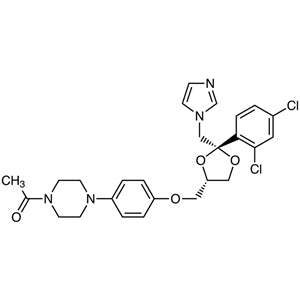
Ketoconazole TCI K0045
Regular price From Rp 1.841.000,00Regular priceRp 1.268.000,00Sale price From Rp 1.841.000,00 -
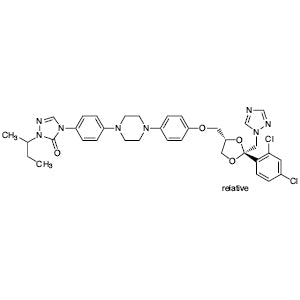
Itraconazole TCI I0732
Regular price From Rp 3.319.000,00Regular priceRp 2.274.000,00Sale price From Rp 3.319.000,00 -
Erythromycin TCI E0751
Regular price From Rp 1.659.000,00Regular priceRp 1.145.000,00Sale price From Rp 1.659.000,00