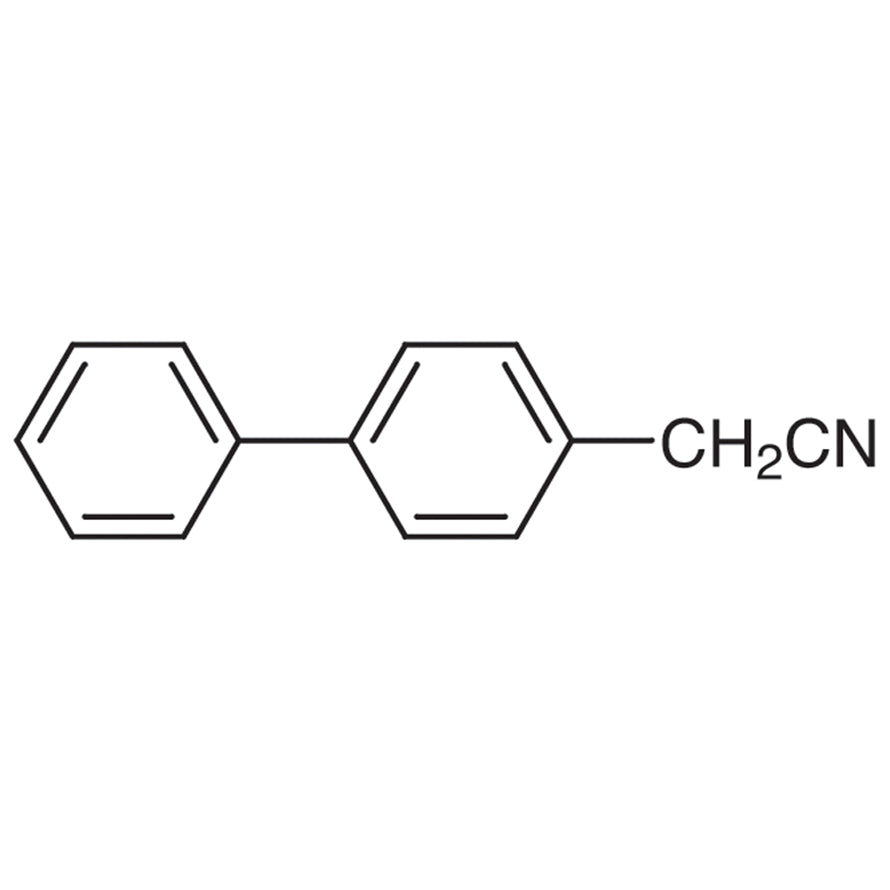
4-Biphenylacetonitrile is a chemical compound widely used as a building block in the synthesis of complex molecules. It plays a crucial role in organic chemistry by participating in various reactions that involve carbon-nitrogen bond formation. As a key intermediate, it is essential for the development of compounds with specific structures and functional groups. This compound is particularly valued for its stability and reactivity, making it a versatile tool in synthetic pathways. Its molecular structure allows it to interact effectively with a range of reagents, facilitating the creation of diverse chemical entities.
The compound's chemical properties make it a preferred choice in laboratory settings. It exhibits stability under certain conditions and is capable of undergoing substitution and covalent reactions. Its relatively high melting and boiling points aid in isolation and purification processes, enhancing its usability in chemical synthesis. These characteristics ensure that it remains a reliable and efficient material for researchers. Additionally, its predictable behavior in different chemical environments supports its application in a variety of experimental setups.
In Indonesian laboratories, 4-Biphenylacetonitrile is commonly used in pharmaceutical, organic chemistry, and materials research. It is particularly relevant in the development of new compounds with potential applications in medicine and industry. Its clear properties and consistent availability make it a preferred material for researchers seeking reliable chemical building blocks. Its role in advancing scientific innovation is significant, especially in the context of local research and development efforts.
- Pharmaceutical research utilizes 4-Biphenylacetonitrile for the synthesis of complex drug molecules due to its ability to form stable carbon-nitrogen bonds.
- Organic chemistry experiments benefit from this compound as it serves as a versatile building block for creating diverse molecular structures.
- Materials science applications leverage its reactivity to develop new polymers and functional materials with specific properties.
- Analytical chemistry uses it as a standard in chromatographic and spectroscopic analyses for identifying and quantifying compounds.
- Industrial chemical processes incorporate it for the production of specialty chemicals requiring precise molecular design.
| Brand | TCI |
|---|---|
| CAS number | 31603-77-7 |
| Molecular formula | — |
| Purity | — |
| Category | Chemistry > Building Blocks > Non-Heterocyclic Building Blocks |
| Pack sizes | Available in various quantities as per supplier specifications |
| Physical form | Solid |
| Storage | Store in a cool, dry place away from direct sunlight and moisture |
4-Biphenylacetonitrile should be stored in a cool, dry location, away from direct sunlight and moisture. It is recommended to use airtight containers to prevent exposure to air and humidity. Proper ventilation is essential when handling this compound to minimize inhalation risks. Due to its chemical nature, it should be kept away from incompatible substances such as strong oxidizers. Laboratory personnel should wear appropriate personal protective equipment, including gloves and safety goggles, when working with this material. Regular inspection of storage conditions ensures the compound remains stable and safe for use in research applications.
—
Produk Terkait
-
Phenylacetonitrile TCI P0128
Regular price From Rp 477.750,00Regular priceRp 333.900,00Sale price From Rp 477.750,00 -
Diphenylacetonitrile TCI D0261
Regular price From Rp 530.250,00Regular priceRp 386.400,00Sale price From Rp 530.250,00 -
3,4,5-Trimethoxyphenylacetonitrile TCI T1927
Regular price From Rp 1.643.250,00Regular priceRp 1.164.450,00Sale price From Rp 1.643.250,00 -
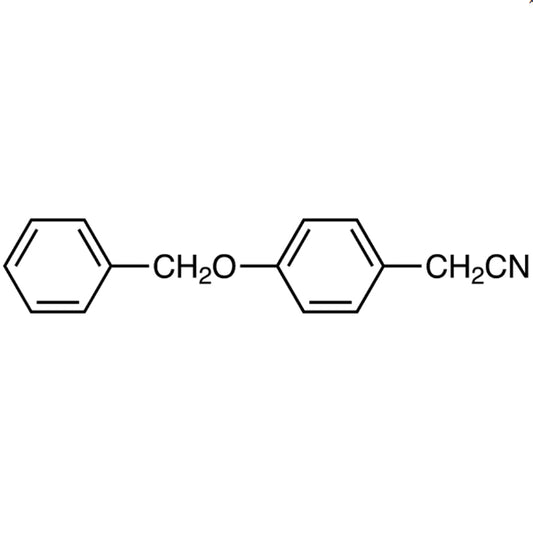
4-Benzyloxyphenylacetonitrile TCI B4734
Regular price From Rp 1.167.600,00Regular priceRp 831.600,00Sale price From Rp 1.167.600,00 -
3-Benzyloxyphenylacetonitrile TCI B4229
Regular price Rp 7.207.200,00Regular priceRp 5.055.750,00Sale price Rp 7.207.200,00 -
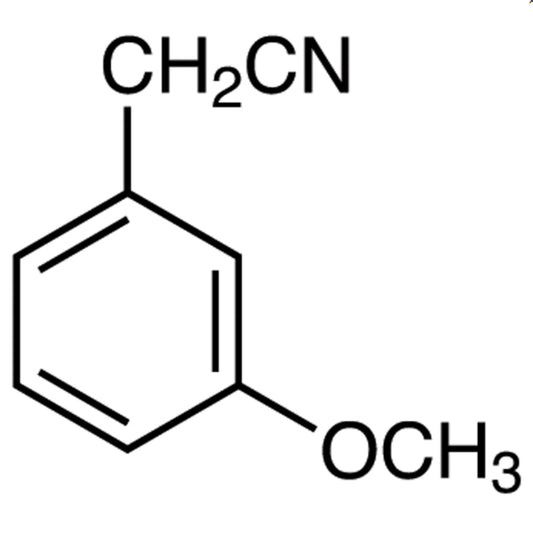
3-Methoxyphenylacetonitrile TCI M2331
Regular price From Rp 769.650,00Regular priceRp 553.350,00Sale price From Rp 769.650,00 -
4-Methoxyphenylacetonitrile TCI M0856
Regular price From Rp 875.700,00Regular priceRp 627.900,00Sale price From Rp 875.700,00 -
2-Methoxyphenylacetonitrile TCI M0855
Regular price Rp 928.200,00Regular priceRp 664.650,00Sale price Rp 928.200,00