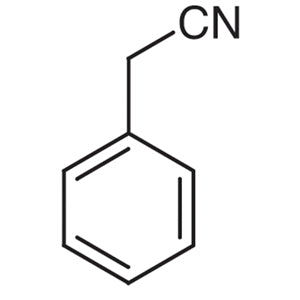
Phenylacetonitrile, also known as benzyl cyanide, is a liquid aromatic nitrile. Its molecule is a phenyl ring and a nitrile group joined by a single methylene group. In the chemistry laboratory it is a very important non-heterocyclic building block, because it can be converted into many other functional groups. It is widely used as an intermediate in the synthesis of pharmaceutical compounds, agrochemicals and fine chemicals. This makes it a key material in advanced organic synthesis laboratories, where chemists need a dependable starting compound for multistep routes and for building more complex target molecules.
The main advantage of Phenylacetonitrile is that its molecule has two reactive centres. The nitrile group can be hydrolysed to phenylacetic acid or the corresponding amide. It can also be reduced to 2-phenylethylamine or converted into heterocycles such as tetrazoles. At the same time, the hydrogens on the methylene group sit between the phenyl ring and the nitrile, which makes them acidic enough to remove easily for alkylation and condensation reactions. Together, these two reactive sites make Phenylacetonitrile an efficient starting material for building a wide range of carbon frameworks from a single, well-defined reagent.
In Indonesia, Phenylacetonitrile is used by synthesis research laboratories at universities, research institutions and pharmaceutical companies. Academic groups use it in organic chemistry research and in graduate-level synthesis projects. Industrial and institutional laboratories rely on it when developing and studying intermediates for pharmaceutical, agrochemical and fine chemical products. Because it is supplied under the TCI brand through AMI Scientific, laboratories can include this building block in their routine synthesis work and method development programmes with confidence in its consistent quality.
Related TCI products
- Pharmaceutical intermediate synthesis: Phenylacetonitrile is a common starting material for pharmaceutical intermediates, because both its nitrile group and its methylene group can be modified to build more complex drug-like structures.
- Preparation of phenylacetic acid and amides: The nitrile group can be hydrolysed to phenylacetic acid or the corresponding amide, which gives a direct route to these useful carboxylic acid derivatives for further synthesis.
- Reduction to 2-phenylethylamine: Reducing the nitrile group gives 2-phenylethylamine, so this compound is a practical precursor for amine-containing targets in medicinal and synthetic organic chemistry research.
- Alkylation and condensation reactions: The acidic methylene hydrogens are easy to remove, so Phenylacetonitrile is well suited to carbon–carbon bond-forming alkylation and condensation reactions used to build different carbon frameworks.
- Heterocycle construction such as tetrazoles: The nitrile group can be converted into heterocycles such as tetrazoles, which lets researchers move from a non-heterocyclic building block to heterocyclic scaffolds used in agrochemical and fine chemical work.
| Brand | TCI (product code P0128) |
|---|---|
| CAS number | 140-29-4 |
| Molecular formula | — |
| Purity | — |
| Category | Chemistry > Building Blocks > Non-Heterocyclic Building Blocks |
| Pack sizes | as listed on the product page |
| Physical form | liquid |
| Storage | keep in a tightly closed container in a cool, dry, well-ventilated area, following the manufacturer's label and Safety Data Sheet |
Store Phenylacetonitrile in its original, tightly sealed container in a cool, dry, well-ventilated place. Keep it away from heat sources, direct sunlight and incompatible materials such as strong acids, strong bases and oxidising agents. Use chemically resistant containers and label them clearly. Only trained personnel should handle this compound, and only in a fume hood while wearing suitable personal protective equipment, including chemical-resistant gloves, safety goggles and a laboratory coat. Avoid breathing vapours and avoid contact with skin and eyes. Always read the Safety Data Sheet before use, and follow local regulations for handling and disposing of chemical waste.
—
Produk Terkait
-
3,4,5-Trimethoxyphenylacetonitrile TCI T1927
Regular price From Rp 1.590.750,00Regular price -
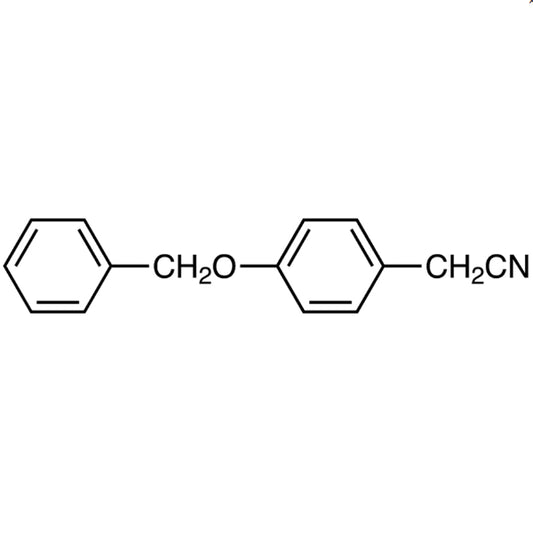
4-Benzyloxyphenylacetonitrile TCI B4734
Regular price From Rp 1.115.100,00Regular price -
3-Benzyloxyphenylacetonitrile TCI B4229
Regular price Rp 7.154.700,00Regular price -
4-Biphenylacetonitrile TCI B1545
Regular price From Rp 3.446.100,00Regular price -
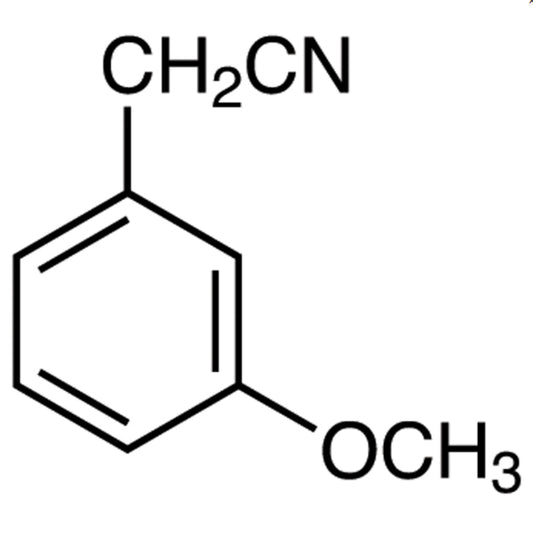
3-Methoxyphenylacetonitrile TCI M2331
Regular price From Rp 717.150,00Regular price -
4-Methoxyphenylacetonitrile TCI M0856
Regular price From Rp 823.200,00Regular price -
2-Methoxyphenylacetonitrile TCI M0855
Regular price Rp 875.700,00Regular price -
4-Iodophenylacetonitrile TCI I1058
Regular price From Rp 743.400,00Regular price