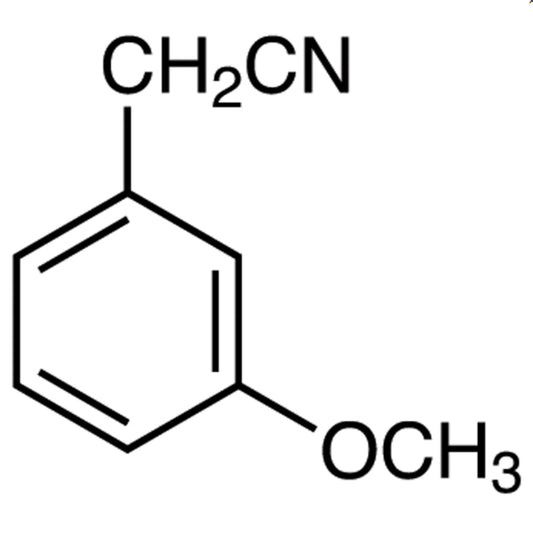
4-Benzyloxyphenylacetonitrile is a chemical compound widely used in synthetic chemistry applications, particularly in the synthesis of complex molecules with aromatic structures and nitrile groups. This compound plays a crucial role in laboratory settings where researchers aim to develop new compounds with specific functional properties. Its versatility makes it an essential building block in organic synthesis, enabling the creation of a wide range of chemical structures. Due to its reactivity and structural complexity, it is frequently utilized in both academic and industrial research environments.
The compound is known for its high reactivity towards nucleophilic, electrophilic, and substitution reactions, which makes it a preferred choice for synthetic chemists. Its chemical stability under controlled conditions further enhances its utility in laboratory processes. The ability to participate in various reaction mechanisms allows it to be a key component in the synthesis of pharmaceuticals, organic materials, and other specialized compounds. Its reactivity and structural adaptability make it a valuable tool for researchers seeking to modify aromatic chains or introduce nitrile functionalities.
In Indonesian laboratories, 4-Benzyloxyphenylacetonitrile is commonly used by chemists, pharmacologists, and material scientists to explore the reactivity of organic compounds. Its availability in pure form and practical packaging facilitates its use in both research and development projects. This compound supports the advancement of scientific knowledge in the field of synthetic chemistry and contributes to the development of new materials and drug candidates.
Related TCI products
- Synthetic chemistry research for the development of complex organic molecules due to its reactivity and structural versatility.
- Pharmaceutical research for the synthesis of drug candidates with aromatic and nitrile functionalities.
- Organic material development to create compounds with specific functional groups and structural modifications.
- Academic research in chemistry and pharmacology to study reactivity and synthetic pathways.
- Industrial applications in the production of specialty chemicals and intermediates requiring precise molecular structures.
| Brand | TCI |
|---|---|
| CAS number | 838-96-0 |
| Molecular formula | — |
| Purity | — |
| Category | Chemistry > Building Blocks > Non-Heterocyclic Building Blocks |
| Pack sizes | Available in various quantities as per standard laboratory requirements |
| Physical form | Liquid |
| Storage | Store in a cool, dry place away from light and incompatible substances |
4-Benzyloxyphenylacetonitrile should be stored in a cool, dry place, away from direct sunlight and sources of heat. It is recommended to keep it in a tightly sealed container to prevent exposure to air and moisture. The compound should be stored separately from strong oxidizing agents and reactive materials to avoid potential chemical interactions. In laboratory settings, it is important to use appropriate personal protective equipment, such as gloves and safety goggles, when handling this compound. Proper ventilation should be maintained in the workspace to minimize inhalation risks. Regular monitoring of storage conditions ensures the compound remains stable and safe for use in research applications.
—
Produk Terkait
-
3-Benzyloxyphenylacetonitrile TCI B4229
Regular price Rp 7.207.200,00Regular priceRp 5.055.750,00Sale price Rp 7.207.200,00 -
Phenylacetonitrile TCI P0128
Regular price From Rp 477.750,00Regular priceRp 333.900,00Sale price From Rp 477.750,00 -
3-Methoxyphenylacetonitrile TCI M2331
Regular price From Rp 769.650,00Regular priceRp 553.350,00Sale price From Rp 769.650,00 -
4-Methoxyphenylacetonitrile TCI M0856
Regular price From Rp 875.700,00Regular priceRp 627.900,00Sale price From Rp 875.700,00 -
2-Methoxyphenylacetonitrile TCI M0855
Regular price Rp 928.200,00Regular priceRp 664.650,00Sale price Rp 928.200,00 -
3,5-Dimethoxyphenylacetonitrile TCI D5186
Regular price From Rp 1.246.350,00Regular priceRp 887.250,00Sale price From Rp 1.246.350,00 -
4-Biphenylacetonitrile TCI B1545
Regular price From Rp 3.498.600,00Regular priceRp 2.462.250,00Sale price From Rp 3.498.600,00 -
2,5-Dimethylphenylacetonitrile TCI D4271
Regular price From Rp 1.801.800,00Regular priceRp 1.275.750,00Sale price From Rp 1.801.800,00