2-Methoxyphenylacetonitrile is a chemical compound widely used in organic synthesis reactions. It serves as a fundamental building block in laboratories, enabling the creation of more complex chemical structures. This compound is commonly employed in research settings where controlled reactivity and stability are essential. Its versatility makes it a valuable tool for chemists working on diverse synthetic pathways. Due to its predictable behavior in chemical reactions, it is frequently used in both academic and industrial laboratories.
The compound’s molecular structure includes a nitrile group and a methoxy group, which contribute to its reactivity and functional versatility. These groups allow it to participate in various reaction types, such as nucleophilic substitution and coupling reactions. Its controlled reactivity and stable molecular framework make it a preferred choice for chemists seeking reliable and reproducible results. The compound’s ability to act as an electron donor or a substrate in substitution reactions further enhances its utility in synthetic chemistry.
In Indonesian laboratories, 2-Methoxyphenylacetonitrile is commonly used in organic chemistry research, particularly in pharmaceutical and materials science applications. Researchers rely on this compound as a starting material for the synthesis of bioactive compounds and functional materials. Its role in creating complex chemical structures makes it an essential component in the development of new drugs and advanced materials. Due to its volatility and tendency to degrade, careful handling and storage are required to maintain its integrity and effectiveness.
Related TCI products
- Organic synthesis reactions benefit from this compound's reactivity and stability, making it ideal for creating complex molecules.
- Pharmaceutical research utilizes it as a building block for synthesizing bioactive compounds and drug candidates.
- Materials science applications leverage its functional groups for developing advanced polymers and coatings.
- Analytical chemistry uses it as a standard for calibrating instruments and testing reaction conditions.
- Environmental studies incorporate it to model chemical transformations in controlled experimental setups.
| Brand | TCI |
|---|---|
| CAS number | 7035-03-2 |
| Molecular formula | — |
| Purity | — |
| Category | Chemistry > Building Blocks > Non-Heterocyclic Building Blocks |
| Pack sizes | Available in various quantities as per supplier specifications |
| Physical form | Liquid |
| Storage | Requires refrigeration to maintain stability and prevent degradation |
This compound should be stored in a cool, dark place to prevent degradation and maintain its chemical integrity. It is recommended to use airtight, sealed containers to minimize exposure to air and moisture. Due to its volatility, it should be kept away from heat sources and direct sunlight. Proper ventilation is essential during handling to ensure safety. Laboratory personnel should wear appropriate personal protective equipment, including gloves and safety goggles, when working with this compound. Careful handling is necessary to avoid potential health risks associated with its chemical properties.
—
Produk Terkait
-
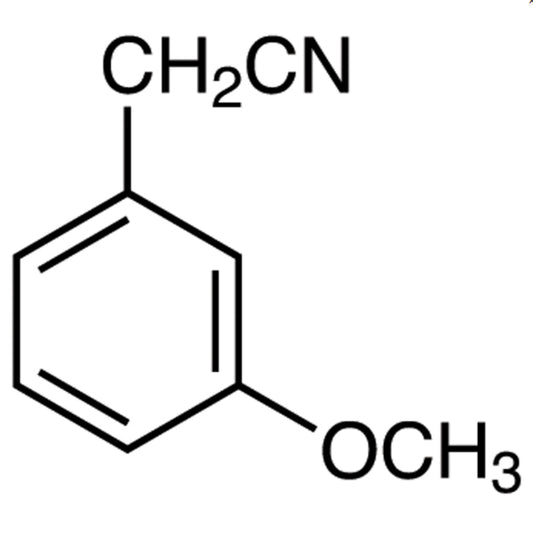
3-Methoxyphenylacetonitrile TCI M2331
Regular price From Rp 717.150,00Regular price -
4-Methoxyphenylacetonitrile TCI M0856
Regular price From Rp 823.200,00Regular price -
3,4,5-Trimethoxyphenylacetonitrile TCI T1927
Regular price From Rp 1.590.750,00Regular price -
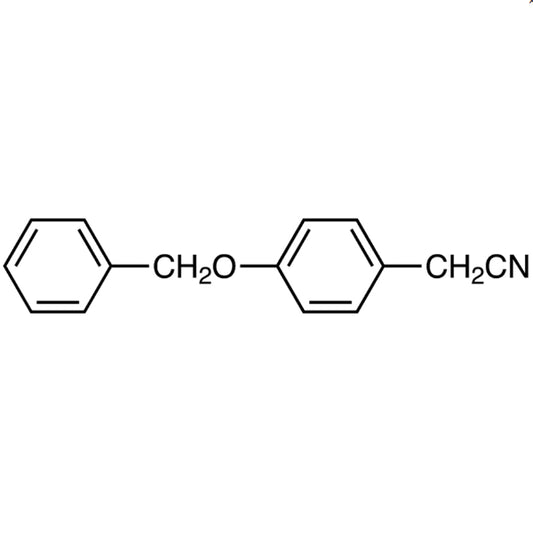
4-Benzyloxyphenylacetonitrile TCI B4734
Regular price From Rp 1.115.100,00Regular price -
3-Benzyloxyphenylacetonitrile TCI B4229
Regular price Rp 7.154.700,00Regular price -
Phenylacetonitrile TCI P0128
Regular price From Rp 477.750,00Regular price -
3,5-Dimethoxyphenylacetonitrile TCI D5186
Regular price From Rp 1.193.850,00Regular price -
4-Biphenylacetonitrile TCI B1545
Regular price From Rp 3.446.100,00Regular price