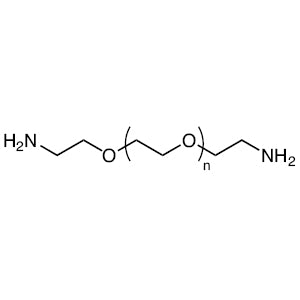
Bis(NHS)PEG9 is a chemical compound widely used in the field of pegylation, a process that involves modifying biological molecules with polyethylene glycol (PEG) chains. This compound serves as a coupling agent, enabling the attachment of PEG chains to target molecules such as proteins, peptides, or lipids. In laboratory settings, it plays a crucial role in enhancing the stability, solubility, and resistance of biological molecules to degradation. Its application is essential in various biotechnological and pharmaceutical research areas, supporting the development of advanced therapeutic products.
The reactivity and specificity of Bis(NHS)PEG9 make it a preferred choice in pegylation applications. It contains NHS ester groups that react selectively with amino groups on target molecules, ensuring efficient conjugation. This property allows for precise control over the degree of PEGylation, which is critical in maintaining the functional integrity of the modified molecules. Additionally, its non-reactivity with other components in solution ensures minimal interference with the main reaction, contributing to the reliability and reproducibility of experimental results.
In Indonesian laboratories, Bis(NHS)PEG9 is commonly used in biomedical research, pharmacology, and biochemical technologies. Researchers in educational institutions and research organizations rely on this compound for the development of drugs, vaccines, and biological therapies. Its role in improving the pharmacokinetic properties of therapeutic agents makes it an essential tool in the advancement of biopharmaceutical research.
TCI brochures (PDF)
- Cross-linkers 2026-04-14 · p. 1
- Bioconjugation Reagents 2026-07-07 · p. 7
- Reagents for Biological Research 2025-03-11 · p. 28
- Drug development with enhanced stability and solubility due to PEGylation of therapeutic proteins and peptides.
- Modification of proteins to improve resistance against enzymatic degradation and prolong biological half-life.
- Vaccine formulation optimization by enhancing the solubility and circulation time of antigenic components.
- Biopharmaceutical research for the creation of targeted delivery systems and improved drug delivery mechanisms.
- Diagnostic tool development where PEGylation is used to enhance the performance and longevity of biomolecules in assays.
| Brand | TCI |
|---|---|
| CAS number | 1008402-79-6 |
| Molecular formula | — |
| Purity | — |
| Category | Chemistry > Chemical Biology > PEGylation |
| Pack sizes | — |
| Physical form | — |
| Storage | Store at controlled room temperature, away from moisture and direct sunlight |
Bis(NHS)PEG9 should be stored in a cool, dry place at controlled room temperature, away from moisture and direct sunlight. It is recommended to use airtight containers to prevent exposure to humidity, which may affect its chemical stability. Due to its reactive nature, it should be handled with care using appropriate personal protective equipment such as gloves and safety goggles. Avoid contact with incompatible substances to prevent unintended reactions. Proper labeling and storage conditions are essential to maintain the integrity of the compound and ensure safe usage in laboratory environments.
—
Product Categories
- Chemical BiologyPEGylationHomobifunctional PEG and Oligoethylene Glycols
- Chemical BiologyLinkers and CrosslinkersHomobifunctional Cross-Linkers
- Chemical BiologyBioconjugationPEGylation Reagents and PEG Spacers
- Chemical BiologyBioconjugationHomobifunctional Cross-Linkers
- Pharmaceutical Development and Drug Discovery Research ReagentsPEGylationHomobifunctional PEG and Oligoethylene Glycols
- Pharmaceutical Development and Drug Discovery Research ReagentsLinkers and CrosslinkersHomobifunctional Cross-Linkers
- Biochemicals and ReagentsBioconjugationPEGylation Reagents and PEG Spacers
- Biochemicals and ReagentsBioconjugationHomobifunctional Cross-Linkers
- Pharmaceutical Development and Drug Discovery ResearchBioconjugationPEGylation Reagents and PEG Spacers
- Pharmaceutical Development and Drug Discovery ResearchBioconjugationHomobifunctional Cross-Linkers
- Pharmaceutical Development and Drug Discovery ResearchPEGylationHomobifunctional PEG and Oligoethylene Glycols
- Pharmaceutical Development and Drug Discovery ResearchLinkers and CrosslinkersHomobifunctional Cross-Linkers
Produk Terkait
-
Bis(NHS)PEG5 TCI B3728
Regular price From Rp 5.460.000,00Regular priceRp 3.833.550,00Sale price From Rp 5.460.000,00 -
Bis-PEG5-acid TCI P3042
Regular price From Rp 2.227.050,00Regular priceRp 1.572.900,00Sale price From Rp 2.227.050,00 -
PEGDiamine8000 TCI P2862
Regular price Rp 2.782.500,00Regular priceRp 1.945.650,00Sale price Rp 2.782.500,00 -
PEGDithiol8000 TCI P2861
Regular price Rp 4.347.000,00Regular priceRp 3.039.750,00Sale price Rp 4.347.000,00 -
PEGDithiol5000 TCI P2860
Regular price Rp 4.771.200,00Regular priceRp 3.335.850,00Sale price Rp 4.771.200,00 -
PEGDithiol2000 TCI P2859
Regular price Rp 4.771.200,00Regular priceRp 3.335.850,00Sale price Rp 4.771.200,00 -
PEGDiamine2000 TCI P2857
Regular price Rp 2.782.500,00Regular priceRp 1.945.650,00Sale price Rp 2.782.500,00 -
TriethyleneGlycolMono(2-propynyl)Ether TCI T3114
Regular price From Rp 2.464.350,00Regular priceRp 1.738.800,00Sale price From Rp 2.464.350,00