4-[Bis(4-methoxyphenyl)amino]benzaldehyde is a chemical compound widely used in scientific and industrial applications, particularly in the field of semiconductor materials. This compound plays a crucial role in laboratory settings where researchers are developing advanced materials with specific electronic properties. Its complex molecular structure makes it a valuable tool for building intricate molecular frameworks, which are essential in the creation of optoelectronic devices and conductive materials. As a small molecule semiconductor building block, it supports the synthesis of materials that are integral to modern technology and innovation.
The compound’s unique chemical structure, featuring methoxyphenyl groups and an amino group attached to a benzaldehyde ring, contributes to its high reactivity. This reactivity allows it to participate in a variety of chemical reactions, making it ideal for molecular modification and the synthesis of compounds with tailored properties. Its stability under controlled laboratory conditions further enhances its usability in research environments. These characteristics make it a preferred choice for scientists working on advanced material development and functional chemistry.
In Indonesian laboratories, 4-[Bis(4-methoxyphenyl)amino]benzaldehyde is commonly used in research focused on semiconductor materials and optoelectronic applications. Its presence in academic and industrial research settings highlights its importance in advancing material science. The compound supports the development of new materials with specific electronic properties, contributing to technological progress in Indonesia’s scientific community.
TCI brochures (PDF)
- Building Blocks for Organic Semiconductor 2026-03-24 · p. 31
Related TCI products
- TCI D2737 42906-19-4 4-(Di-p-tolylamino)benzaldehyde
- TCI D2172 4181-05-9 4-(N,N-Diphenylamino)benzaldehyde
- TCI T3642 1630723-98-6 N,N,N',N'-Tetrakis(4-methoxyphenyl)-9H-carbazole-3,6-diamine
- TCI H1844 1201-91-8 4-[(2-Hydroxyethyl)(methyl)amino]benzaldehyde
- TCI A3255 1021426-42-5 1-[4-(4-Amino-3-methoxyphenyl)piperazin-1-yl]ethanone
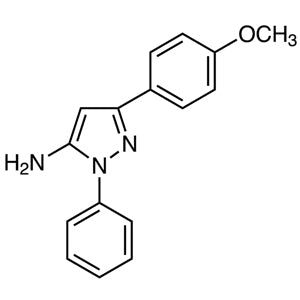
- TCI A3055 19652-13-2 5-Amino-3-(4-methoxyphenyl)-1-phenylpyrazole
- Used in semiconductor material synthesis due to its role as a building block for creating electronic materials with specific properties.
- Applied in organic chemistry research for molecular modification and the synthesis of complex compounds with tailored functionalities.
- Employed in optoelectronic device development to support the fabrication of materials that respond to light and electricity.
- Utilized in conductive material research for the creation of substances that efficiently transport electric current.
- Integrated into advanced material development projects to enhance the performance of electronic and photonic components.
| Brand | TCI |
|---|---|
| CAS number | 89115-20-8 |
| Molecular formula | — |
| Purity | — |
| Category | Materials Science > Material Building Blocks > Small Molecule Semiconductor Building Blocks |
| Pack sizes | Available in various quantities as per standard laboratory supply options |
| Physical form | Solid, typically in crystalline or powder form |
| Storage | Store in a cool, dry place away from direct sunlight and moisture |
This compound should be stored in a cool, dry environment to maintain its stability and prevent degradation. It is recommended to use airtight containers to protect it from moisture and air exposure. Due to its chemical reactivity, it should be handled in a well-ventilated laboratory setting, with appropriate personal protective equipment such as gloves and safety goggles. Avoid direct contact with skin and eyes, and ensure that it is kept away from incompatible substances. Proper labeling and storage conditions are essential to ensure safe handling and long-term usability in laboratory applications.
—
Produk Terkait
-
4-(Di-p-tolylamino)benzaldehyde TCI D2737
Regular price From Rp 1.167.600,00Regular priceRp 831.600,00Sale price From Rp 1.167.600,00 -
4-(N,N-Diphenylamino)benzaldehyde TCI D2172
Regular price From Rp 1.776.600,00Regular priceRp 1.257.900,00Sale price From Rp 1.776.600,00 -
N,N,N',N'-Tetrakis(4-methoxyphenyl)-9H-carbazole-3,6-diamine TCI T3642
Regular price From Rp 9.778.650,00Regular priceRp 6.853.350,00Sale price From Rp 9.778.650,00 -
4-[(2-Hydroxyethyl)(methyl)amino]benzaldehyde TCI H1844
Regular price From Rp 1.563.450,00Regular priceRp 1.108.800,00Sale price From Rp 1.563.450,00 -
1-[4-(4-Amino-3-methoxyphenyl)piperazin-1-yl]ethanone TCI A3255
Regular price From Rp 1.246.350,00Regular priceRp 887.250,00Sale price From Rp 1.246.350,00 -
5-Amino-3-(4-methoxyphenyl)-1-phenylpyrazole TCI A3055
Regular price From Rp 1.140.300,00Regular priceRp 812.700,00Sale price From Rp 1.140.300,00 -
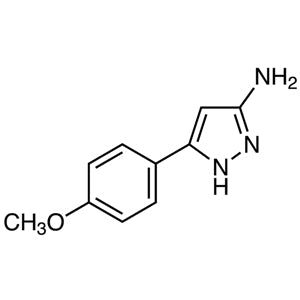
3-Amino-5-(4-methoxyphenyl)pyrazole TCI A2953
Regular price From Rp 1.113.000,00Regular priceRp 793.800,00Sale price From Rp 1.113.000,00