N-Benzyl-1,3-propanediamine is a chemical compound widely used in laboratory settings for the synthesis of complex molecules. It serves as a building block in organic chemistry, enabling the creation of compounds with specific structural features. This reagent is particularly valuable for its ability to participate in substitution reactions and other chemical transformations, making it essential for the development of heterocyclic compounds and other complex structures. Its versatility allows it to be a key component in various synthetic pathways, especially in research requiring high reactivity and precise molecular design.
The compound’s chemical properties make it a preferred choice in laboratory applications. It exhibits stability under certain conditions while remaining highly reactive to a variety of chemical environments. This dual nature allows it to interact effectively with different functional groups, facilitating the formation of a wide range of chemical structures. Its liquid form also simplifies handling and integration into various reaction protocols, enhancing its usability in both academic and industrial research settings. These characteristics contribute to its widespread use in synthetic chemistry.
In Indonesian laboratories, N-Benzyl-1,3-propanediamine is commonly used in organic chemistry research, particularly in pharmaceutical and bioactive compound synthesis. Its role in creating molecules with specific structural requirements makes it a vital reagent for researchers working on drug development and other advanced chemical projects. Its availability in liquid form and its reactivity make it a preferred choice for many laboratory applications in Indonesia.
Related TCI products
- TCI B1445 4741-99-5 N,N'-Bis(2-aminoethyl)-1,3-propanediamine
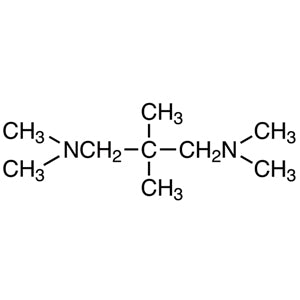
- TCI T1008 53369-79-2 N,N,N',N'-Tetramethyl-2,2-dimethyl-1,3-propanediamine
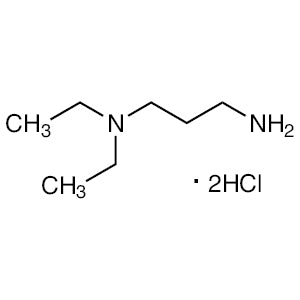
- TCI D5861 99310-71-1 N,N-Diethyl-1,3-propanediamine Dihydrochloride
- TCI D5619 2561497-43-4 N,N-Dimethyl-1,3-propanediamine Dihydroiodide
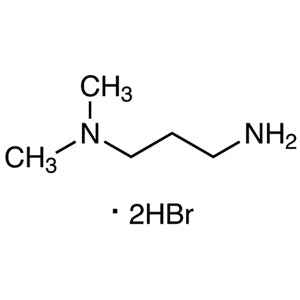
- TCI D5618 2710685-13-3 N,N-Dimethyl-1,3-propanediamine Dihydrobromide
- TCI D5617 52198-63-7 N,N-Dimethyl-1,3-propanediamine Dihydrochloride
- Heterocyclic Compound Synthesis: This compound is ideal for creating heterocyclic structures due to its ability to form stable intermediates and participate in substitution reactions.
- Organic Synthesis Research: Its reactivity and structural versatility make it a key reagent in the development of complex organic molecules.
- Pharmaceutical Compound Development: It is frequently used in the synthesis of bioactive compounds, supporting drug discovery and formulation processes.
- Functional Group Modification: Its capacity to interact with various functional groups allows for efficient modification of molecular structures in synthetic pathways.
- Advanced Chemical Research: It is a valuable tool in laboratories conducting research on novel chemical structures and reactivity patterns.
| Brand | TCI |
|---|---|
| CAS number | 13910-48-0 |
| Molecular formula | — |
| Purity | — |
| Category | Chemistry > Building Blocks > Non-Heterocyclic Building Blocks |
| Pack sizes | Available in various sizes as per standard laboratory supply |
| Physical form | Liquid |
| Storage | Store in a cool, dry place away from direct sunlight and incompatible materials |
N-Benzyl-1,3-propanediamine should be stored in a cool, dry environment to maintain its chemical stability. It is recommended to keep it in a sealed container to prevent exposure to air and moisture. The compound should be stored away from incompatible substances such as strong oxidizers or acids to avoid any potential chemical reactions. Laboratory personnel should handle the material with appropriate personal protective equipment, including gloves and safety goggles, to ensure safe handling. Regular monitoring of storage conditions is essential to maintain the integrity of the compound and ensure safe usage in laboratory settings.
—
Produk Terkait
-
N,N'-Bis(2-aminoethyl)-1,3-propanediamine TCI B1445
Regular price Rp 1.378.650,00Regular priceRp 963.900,00Sale price Rp 1.378.650,00 -
N,N,N',N'-Tetramethyl-2,2-dimethyl-1,3-propanediamine TCI T1008
Regular price Rp 9.248.400,00Regular priceRp 6.466.950,00Sale price Rp 9.248.400,00 -
N,N-Diethyl-1,3-propanediamineDihydrochloride TCI D5861
Regular price Rp 1.724.100,00Regular priceRp 1.205.400,00Sale price Rp 1.724.100,00 -
N,N-Dimethyl-1,3-propanediamineDihydroiodide TCI D5619
Regular price From Rp 1.035.300,00Regular priceRp 723.450,00Sale price From Rp 1.035.300,00 -
N,N-Dimethyl-1,3-propanediamineDihydrobromide TCI D5618
Regular price From Rp 743.400,00Regular priceRp 519.750,00Sale price From Rp 743.400,00 -
N,N-Dimethyl-1,3-propanediamineDihydrochloride TCI D5617
Regular price From Rp 743.400,00Regular priceRp 519.750,00Sale price From Rp 743.400,00 -
N,N'-Dimethyl-1,3-propanediamine TCI D3811
Regular price From Rp 1.618.050,00Regular priceRp 1.130.850,00Sale price From Rp 1.618.050,00 -
N,N,2,2-Tetramethyl-1,3-propanediamine TCI D1733
Regular price From Rp 769.650,00Regular priceRp 537.600,00Sale price From Rp 769.650,00