N,N,2,2-Tetramethyl-1,3-propanediamine is a versatile chemical compound widely used in organic synthesis as a building block for the creation of complex molecules. This compound plays a crucial role in laboratories where researchers are engaged in the development of new materials, pharmaceuticals, and chemical intermediates. Its unique molecular structure allows it to participate in various chemical reactions, including substitution and addition reactions, making it an essential component in synthetic pathways. Due to its reactivity and adaptability, it is frequently employed in both academic and industrial research settings to achieve desired chemical transformations.
The compound’s chemical properties make it a preferred choice for laboratory applications. It exhibits good solubility in solvents such as ethylamine and methanol, which facilitates mixing and reaction processes. Its reactivity toward acids, bases, and organic solvents allows for a wide range of chemical modifications. However, its stability under certain conditions ensures that it can be safely handled and stored when appropriate precautions are taken. These properties make it a reliable and flexible reagent for chemists working on diverse projects.
In Indonesian laboratories, this compound is commonly used in both fundamental and applied chemical research. It is particularly valuable in pharmaceutical development, material science, and organic chemistry. Many research institutions and universities in Indonesia rely on this compound for their experiments, contributing to advancements in various scientific fields. Its availability and effectiveness make it a staple in the chemical laboratories of Indonesia.
- Organic synthesis is a key application where this compound serves as a versatile building block for creating complex molecules due to its reactivity and structural adaptability.
- Pharmaceutical research benefits from its use in the development of new drugs and chemical intermediates, as it enables the synthesis of diverse compounds with potential therapeutic applications.
- Polymer science utilizes this compound in the creation of various polymers, leveraging its ability to participate in polymerization reactions and form stable chemical structures.
- Material science research employs this compound to develop advanced materials with specific chemical properties, enhancing the functionality of new substances.
- Analytical chemistry applications take advantage of its solubility and reactivity to facilitate accurate and reliable chemical analysis in laboratory settings.
| Brand | TCI |
|---|---|
| CAS number | 53369-71-4 |
| Molecular formula | — |
| Purity | — |
| Category | Chemistry > Building Blocks > Non-Heterocyclic Building Blocks |
| Pack sizes | Available in various quantities as per standard chemical supply practices |
| Physical form | Liquid |
| Storage | Store in a cool, dry place away from direct sunlight and incompatible materials |
This compound should be stored in a cool, dry place, away from direct sunlight and sources of heat. It is recommended to use airtight containers made of materials compatible with its chemical properties, such as glass or high-density polyethylene. Due to its reactivity with acids, bases, and organic solvents, it should be kept separate from incompatible substances to prevent unwanted reactions. Proper ventilation is essential when handling this compound to minimize exposure. Always wear appropriate personal protective equipment, including gloves and safety goggles, to ensure safe handling in laboratory environments.
—
Produk Terkait
-
1,4-DiaminobutaneDihydrochloride TCI D0081
Regular price From Rp 1.712.550,00Regular price -
1,10-Diaminodecane TCI D0085
Regular price From Rp 2.539.950,00Regular price -
3,3'-Diaminodipropylamine TCI D0090
Regular price From Rp 739.200,00Regular price -
1,12-Diaminododecane TCI D0091
Regular price From Rp 1.859.550,00Regular price -
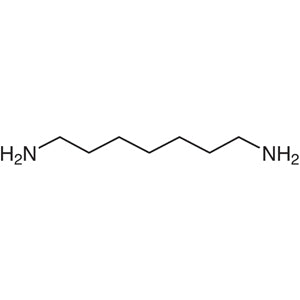
1,7-Diaminoheptane TCI D0094
Regular price From Rp 2.480.100,00Regular price -
1,5-DiaminopentaneDihydrochloride TCI D0099
Regular price From Rp 1.623.300,00Regular price -
1,8-Diaminooctane TCI D0107
Regular price From Rp 1.712.550,00Regular price -
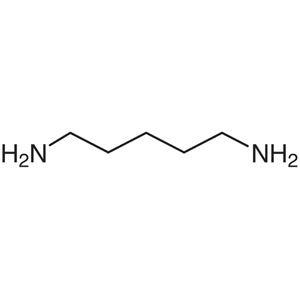
1,5-Diaminopentane TCI D0108
Regular price From Rp 2.480.100,00Regular price