Cantharidin is a naturally occurring terpenoid compound best known as the active component in the secretions of blister beetles. In biochemical and cell biology research, Cantharidin is well established as an inhibitor of serine/threonine protein phosphatases, particularly protein phosphatase 2A (PP2A) and protein phosphatase 1 (PP1). Because these enzymes regulate many cell signaling pathways, Cantharidin is a valuable pharmacological tool for studying how protein phosphorylation and dephosphorylation work in a wide range of cellular processes. This TCI product (C0019) is supplied for research laboratories that need a well-characterized phosphatase inhibitor.
Researchers choose Cantharidin because it inhibits phosphatase activity and so changes the phosphorylation state of proteins inside the cell. This lets scientists observe directly what phosphatases do in the cell cycle, apoptosis, and growth regulation. Cantharidin is a small molecule with a bicyclic anhydride structure. It serves as a reference compound in enzyme inhibition assays and as a starting point for structure-activity relationship studies of derivatives such as norcantharidin. Cantharidin is also highly toxic, so it is intended for research use only and must be handled with appropriate care.
In Indonesia, Cantharidin is relevant to molecular biology, pharmacology, biochemistry, and cancer research laboratories at universities and research institutions. Research groups studying cell signaling use it to examine the role of PP2A and PP1 in experimental models. Pharmacology and medicinal chemistry teams use it as a comparison standard when they evaluate related compounds. Because it is supplied under the trusted TCI brand, laboratories can include it in inhibition studies, mechanistic work, and teaching-oriented research projects that need a recognized phosphatase inhibitor.
TCI brochures (PDF)
- Terpenes 2025-09-22 · p. 4
- Phytochemicals 2025-12-17 · p. 6
- Antimicrobials and Antitumor Agents for Research and Experimental Use 2025-04-24 · p. 15
- Pharmaceutical Ingredients for Research and Experimental Use 2026-03-09 · p. 16
- Reagents for Biological Research 2025-03-11 · p. 53
- Protein phosphatase inhibition studies: Cantharidin inhibits PP2A and PP1, which makes it suitable for experiments that measure how blocking these serine/threonine phosphatases changes enzyme activity and downstream signaling.
- Cell signaling and phosphorylation research: by changing the phosphorylation state of cellular proteins, Cantharidin helps researchers work out how phosphorylation and dephosphorylation control specific signaling pathways in cultured cells.
- Cell cycle and apoptosis research: Cantharidin lets scientists directly observe what phosphatases contribute to cell cycle progression, programmed cell death, and growth regulation in experimental cell models.
- Reference compound in enzyme inhibition assays: Cantharidin is a well-known small-molecule phosphatase inhibitor, so laboratories use it as a benchmark when they assess the potency of new or related inhibitory compounds.
- Structure-activity relationship studies: its bicyclic anhydride structure makes Cantharidin a starting point for designing and comparing derivatives such as norcantharidin in medicinal chemistry and pharmacology research.
| Brand | TCI (product code C0019) |
|---|---|
| CAS number | 56-25-7 |
| Molecular formula | — |
| Purity | — |
| Category | Life Science > Biochemicals and Reagents > Enzymes, Enzyme Inhibitors, Enzyme Substrates |
| Pack sizes | please refer to the product listing for available options |
| Physical form | — |
| Storage | follow the storage conditions on the TCI label and Safety Data Sheet |
- Compound type: natural terpenoid with a bicyclic anhydride structure
Store Cantharidin in its original, tightly closed manufacturer container, following the storage conditions on the TCI label and Safety Data Sheet. Keep it in a dry, well-ventilated, secured location away from incompatible materials, and limit access to trained personnel. Because Cantharidin is highly toxic, handle it only in a fume hood or another suitable containment area. Wear appropriate personal protective equipment, including gloves, a laboratory coat, and eye protection. Avoid skin contact, inhalation, and ingestion. Label all prepared solutions clearly, and dispose of waste according to institutional and local hazardous chemical regulations. This product is for research use only.
—
Product Categories
- Biochemicals and ReagentsEnzymes, Enzyme Inhibitors, Enzyme SubstratesEnzyme Inhibitors [Biochemicals and Reagents]
- Biochemicals and ReagentsPharmaceutical Research Reagents (for Experimental Use)Antitumor Research Reagents (for Experimental Use)
- Biochemicals and ReagentsTerpenesMonocyclic Monoterpenes
- Cell BiologyNutrition ResearchPhytochemicals
- Pharmaceutical Development and Drug Discovery ResearchPharmaceutical Research Reagents (for Experimental Use)Antitumor Research Reagents (for Experimental Use)
Produk Terkait
-
Hinokitiol TCI H0142
Regular price From Rp 742.350,00Regular priceRp 534.450,00Sale price From Rp 742.350,00 -
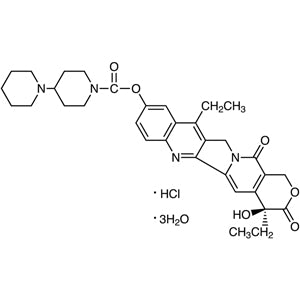
IrinotecanHydrochlorideTrihydrate TCI I0714
Regular price Rp 6.863.850,00Regular priceRp 4.815.300,00Sale price Rp 6.863.850,00 -
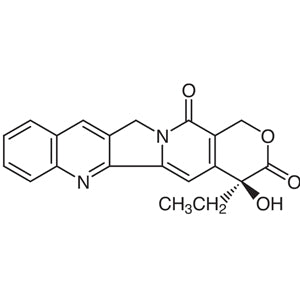
(S)-(+)-Camptothecin TCI C1495
Regular price From Rp 769.650,00Regular priceRp 553.350,00Sale price From Rp 769.650,00 -
AbieticAcid TCI A0001
Regular price From Rp 1.563.450,00Regular priceRp 1.108.800,00Sale price From Rp 1.563.450,00 -
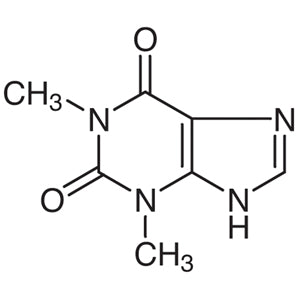
Theophylline TCI T0179
Regular price From Rp 557.550,00Regular priceRp 405.300,00Sale price From Rp 557.550,00 -
Theobromine TCI T0178
Regular price From Rp 1.272.600,00Regular priceRp 905.100,00Sale price From Rp 1.272.600,00 -
Paclitaxel(1mg*5) TCI P3207
Regular price Rp 1.988.700,00Regular priceRp 1.405.950,00Sale price Rp 1.988.700,00 -
Paclitaxel TCI P1632
Regular price Rp 10.281.600,00Regular priceRp 7.205.100,00Sale price Rp 10.281.600,00