TCI C3742 63-25-2 Carbaryl is a chemical compound widely used in scientific research, particularly in the field of life sciences. It serves as a key reagent in various laboratory applications, including toxicity testing, pesticide development, and environmental chemical analysis. Its role in cellular and nutritional research makes it an essential tool for scientists aiming to understand the impact of chemical substances on living organisms. Due to its stability and compatibility with analytical techniques, Carbaryl is frequently employed in experiments requiring precise and reliable results.
The unique chemical structure of Carbaryl, derived from carbamates, contributes to its reactivity and solubility in multiple solvents. These properties make it highly suitable for a range of analytical methods, such as spectroscopy and chromatography. Additionally, its non-mercurial nature ensures safety in high-standard laboratory environments, reducing potential hazards. This combination of chemical properties and safety profile makes Carbaryl a preferred choice for researchers seeking both efficiency and reliability in their experiments.
In Indonesian laboratories, Carbaryl is commonly used in agricultural, environmental, and public health research. Its availability and consistent performance in analytical tests make it a reliable option for scientists working on diverse research projects. The compound’s versatility and ease of use further enhance its appeal in laboratory settings where precision and accuracy are paramount.
TCI brochures (PDF)
- Agrochemical Ingredients for Research and Experimental Use 2026-01-08 · p. 5
- Plant Research Reagents 2026-02-24 · p. 12
- Toxicity testing: Carbaryl is used to evaluate the effects of chemical substances on living organisms, providing critical data for safety assessments and environmental impact studies.
- Pesticide development: Its chemical properties make it an ideal candidate for studying the efficacy and behavior of insecticides in controlled environments.
- Environmental analysis: Carbaryl is employed to detect and analyze chemical contaminants in soil, water, and air, supporting environmental monitoring efforts.
- Nutritional research: It plays a role in studying the metabolic processes of cells and organisms, contributing to advancements in cellular biology and nutrition science.
- Public health studies: Carbaryl is used in research focused on the impact of chemical exposure on human health, aiding in the development of safer agricultural and industrial practices.
| Brand | TCI |
|---|---|
| CAS number | 63-25-2 |
| Molecular formula | — |
| Purity | — |
| Category | Life Science > Cell Biology > Nutrition Research |
| Pack sizes | Available in various quantities as per standard laboratory supply requirements |
| Physical form | Solid powder |
| Storage | Store in a cool, dry place away from direct sunlight and moisture |
Carbaryl should be stored in a cool, dry environment to maintain its chemical stability and prevent degradation. It is recommended to use airtight containers made of glass or high-density polyethylene to minimize exposure to moisture and contaminants. Proper ventilation is essential when handling the compound to ensure safe working conditions. Laboratory personnel should wear appropriate personal protective equipment, including gloves and safety goggles, to avoid direct contact. Regular monitoring of storage conditions is necessary to maintain the integrity of the compound and ensure compliance with safety protocols.
—
Produk Terkait
-
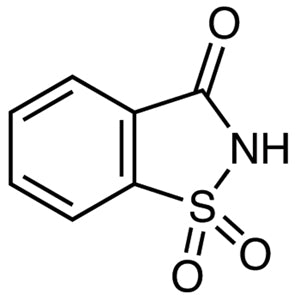
o-Sulfobenzimide TCI B0004
Regular price From Rp 530.250,00Regular price -
Octan-2-yl(2,4-Dichlorophenoxy)acetate TCI O0518
Regular price From Rp 2.227.050,00Regular price -
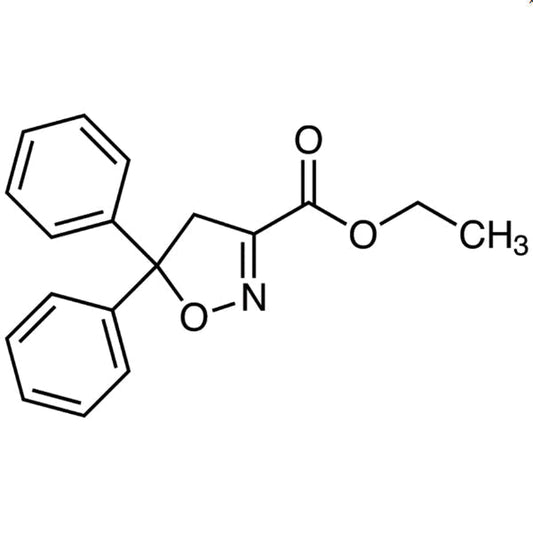
Isoxadifen-ethyl TCI I0956
Regular price From Rp 2.041.200,00Regular price -
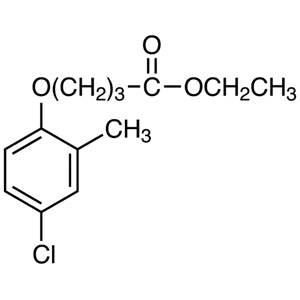
Ethyl4-(4-Chloro-2-methylphenoxy)butyrate TCI E1149
Regular price From Rp 2.359.350,00Regular price -
Methyl(2,4-Dichlorophenoxy)acetate TCI D6084
Regular price From Rp 2.306.850,00Regular price -
Dicamba TCI D4800
Regular price Rp 2.411.850,00Regular price -
2-(2,4-Dichlorophenoxy)propionicAcid TCI D1942
Regular price Rp 3.155.250,00Regular price -
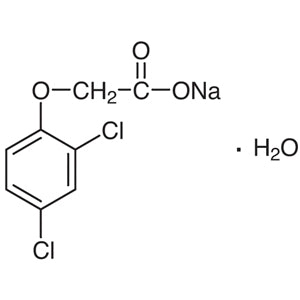
Sodium2,4-DichlorophenoxyacetateMonohydrate TCI D1319
Regular price From Rp 769.650,00Regular price