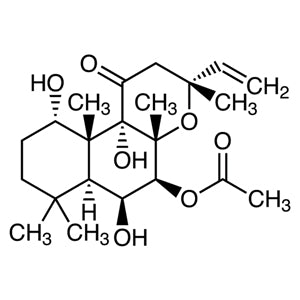
Forskolin is an active compound derived from the plant *Coleus forskohlii*, widely used in biomedical and life science research. It is a key reagent in laboratory settings due to its ability to enhance cyclic AMP (cAMP) production in cells. This property makes it essential for studying cellular signaling pathways and cell differentiation. Forskolin plays a critical role in organoid culture, where it helps researchers mimic the structure and function of organ tissues. Its versatility supports a wide range of experimental applications, making it a valuable tool in modern biological research.
Forskolin is chemically stable and soluble in organic solvents, which facilitates its use in various experimental protocols. These characteristics contribute to its reliability and ease of handling in laboratory environments. The compound’s relatively high safety profile when used in appropriate quantities ensures it is suitable for routine laboratory work. Its ability to modulate intracellular signaling pathways makes it a preferred choice for studies involving cell differentiation, tissue regeneration, and therapeutic development. Its consistent performance and predictable behavior further enhance its appeal in research settings.
In Indonesian laboratories, Forskolin is commonly used in applied research, particularly in biomedical and life science fields. It supports studies on organoid development, cellular signaling, and therapeutic applications. Researchers in Indonesia rely on Forskolin for its effectiveness and reliability in experimental procedures, making it a staple in many research facilities across the country.
TCI brochures (PDF)
- Organoid Research Reagents 2025-09-11 · p. 8
- Regenerative Medicine Research Reagents 2016-03-18 · p. 1
- Cancer Research Reagents 2025-04-01 · p. 4
- Terpenes 2025-09-22 · p. 8
- Reagents for Biological Research 2025-03-11 · p. 38
- Organoid Culture: Forskolin is widely used to stimulate cAMP production, essential for maintaining and differentiating organoid cells.
- Cellular Signaling Studies: Its ability to modulate intracellular signaling pathways makes it ideal for investigating signal transduction mechanisms.
- Tissue Regeneration Research: Forskolin supports studies on tissue repair and regeneration by influencing cell differentiation processes.
- Drug Development: It is utilized in screening compounds that affect cAMP levels, aiding in the discovery of new therapeutic agents.
- Stem Cell Differentiation: Forskolin helps in the differentiation of stem cells into specialized cell types, supporting regenerative medicine research.
From the TCI brochure
- Niche factor for liver organoid culture (Table 1)
| Brand | TCI |
|---|---|
| CAS number | 66575-29-9 |
| Molecular formula | — |
| Purity | — |
| Category | Life Science > Cell Culture > Organoid Culture |
| Pack sizes | Available in various quantities as per supplier specifications |
| Physical form | Solid powder |
| Storage | Store in a cool, dry place away from light |
Forskolin should be stored in a cool, dry place, away from direct light to maintain its chemical stability. It is recommended to use airtight containers to prevent moisture absorption and contamination. Due to its solubility in organic solvents, it is important to handle it with care during preparation and experimentation. Laboratory personnel should wear appropriate personal protective equipment, such as gloves and safety goggles, when working with this compound. Proper labeling of containers is essential to ensure safe handling and prevent accidental exposure. Regular monitoring of storage conditions ensures the compound remains effective for research applications.
—
Product Categories
- Cell CultureOrganoid CultureSmall Molecule Activators [Organoid Culture]
- Biochemicals and ReagentsCrude Medicine Ingredients for Research and Experimental Use
- Biochemicals and ReagentsTerpenesDiterpenes
- Cell BiologyCancer ResearchAntitumor Agents for Research
- Cell BiologyStem Cell BiologyRegenerative Medicine Research Reagents
- Molecular BiologyRegenerative Medicine Research Reagents
- Pharmaceutical Development and Drug Discovery ResearchCrude Medicine Ingredients for Research and Experimental Use
Produk Terkait
-
Paclitaxel(1mg*5) TCI P3207
Regular price Rp 1.936.200,00Regular price -
Paclitaxel TCI P1632
Regular price Rp 10.229.100,00Regular price -
Docetaxel TCI D4102
Regular price From Rp 2.942.100,00Regular price -
SANT-2 TCI A3537
Regular price Rp 6.042.750,00Regular price -
PhenethylCaffeate TCI P2088
Regular price From Rp 1.035.300,00Regular price -
(-)-EpigallocatechinGallateHydrate TCI E0694
Regular price From Rp 2.121.000,00Regular price -
Dexamethasone TCI D1961
Regular price Rp 1.936.200,00Regular price -
Colchicine(contains5%EthylAcetateatmaximum) TCI C0380
Regular price From Rp 1.246.350,00Regular price