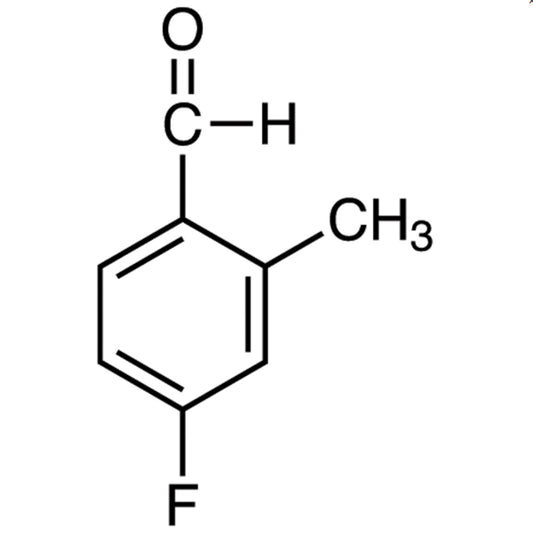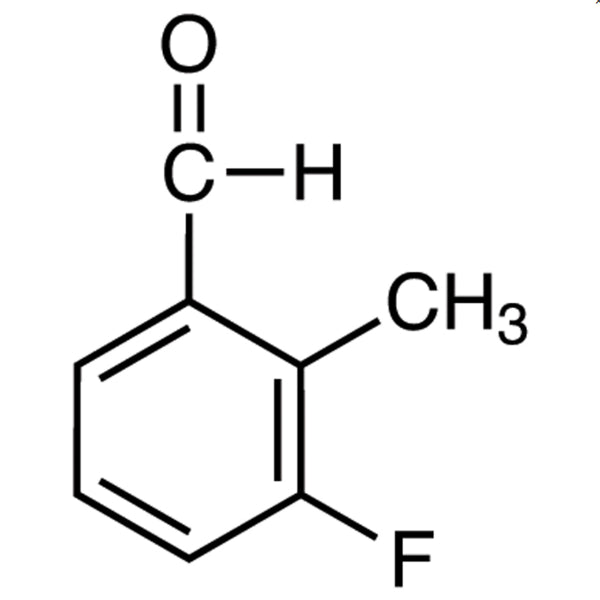
3-Fluoro-2-methylbenzaldehyde is a chemical compound widely used as a building block in the synthesis of complex organic molecules. Its molecular structure contains both a fluorine group and an aldehyde functional group, making it a versatile reagent in various chemical reactions. In laboratory settings, this compound plays a crucial role in the development of new compounds, especially in pharmaceutical and industrial chemistry. Its unique chemical properties allow it to participate in substitution and electrophilic reactions, contributing to the creation of diverse molecular structures.
The compound’s fluorine group imparts specific reactivity and polarity, which are essential in controlling chemical reactions. This group also provides stability in certain reactions, enabling more predictable and controllable synthetic processes. Additionally, its volatility and solubility in organic solvents make it easy to handle and manipulate in laboratory environments. These characteristics make it a preferred choice for chemists working on advanced organic synthesis projects.
In Indonesian laboratories, 3-Fluoro-2-methylbenzaldehyde is a key component in research related to organic chemistry, pharmaceutical development, and material science. It is commonly used in academic and industrial settings for the synthesis of new compounds and molecular modifications. Its availability and reliability make it an essential tool for researchers aiming to advance their work in these fields.
Related TCI products
- TCI F0793 63082-45-1 4-Fluoro-2-methylbenzaldehyde
- TCI F0791 135427-08-6 4-Fluoro-3-methylbenzaldehyde
- TCI F0746 22062-53-9 5-Fluoro-2-methylbenzaldehyde
- TCI B5213 537050-14-9 2-Bromo-4'-fluoro-3'-(trifluoromethyl)acetophenone
- TCI B5074 749927-69-3 4-Bromo-2-fluoro-N-methylbenzamide
- TCI B4872 10472-88-5 2-Bromo-4-fluoro-6-nitroaniline
- Organic synthesis projects benefit from its fluorinated structure, enabling the creation of complex pharmaceutical compounds.
- Pharmaceutical research utilizes the compound for the development of new drugs through targeted molecular modifications.
- Industrial chemical applications leverage its reactivity for the production of specialty chemicals and intermediates.
- Material science studies use it to design and synthesize novel materials with specific functional properties.
- Academic research institutions incorporate it into teaching and experimental protocols for advanced organic chemistry courses.
| Brand | TCI |
|---|---|
| CAS number | 147624-13-3 |
| Molecular formula | — |
| Purity | — |
| Category | Chemistry > Building Blocks > Fluorinated Building Blocks |
| Pack sizes | Available in various quantities as per supplier specifications |
| Physical form | Liquid |
| Storage | Store in a cool, dry place away from light and incompatible materials |
This compound should be stored in a cool, dry location, away from direct sunlight and sources of heat. It is recommended to use airtight containers made of glass or high-density polyethylene to prevent contamination and evaporation. Due to its volatility, proper ventilation should be maintained in the laboratory when handling the compound. It is important to avoid contact with incompatible substances such as strong oxidizing agents. Always wear appropriate personal protective equipment, including gloves and safety goggles, when working with this material. Regular monitoring of storage conditions ensures the compound remains stable and safe for use in laboratory applications.
—
Produk Terkait
-
4-Fluoro-2-methylbenzaldehyde TCI F0793
Regular price From Rp 505.050,00Regular price -
4-Fluoro-3-methylbenzaldehyde TCI F0791
Regular price Rp 2.359.350,00Regular price -
5-Fluoro-2-methylbenzaldehyde TCI F0746
Regular price From Rp 2.411.850,00Regular price -
2-Bromo-4'-fluoro-3'-(trifluoromethyl)acetophenone TCI B5213
Regular price From Rp 505.050,00Regular price -
4-Bromo-2-fluoro-N-methylbenzamide TCI B5074
Regular price From Rp 1.035.300,00Regular price -
2-Bromo-4-fluoro-6-nitroaniline TCI B4872
Regular price Rp 1.140.300,00Regular price -
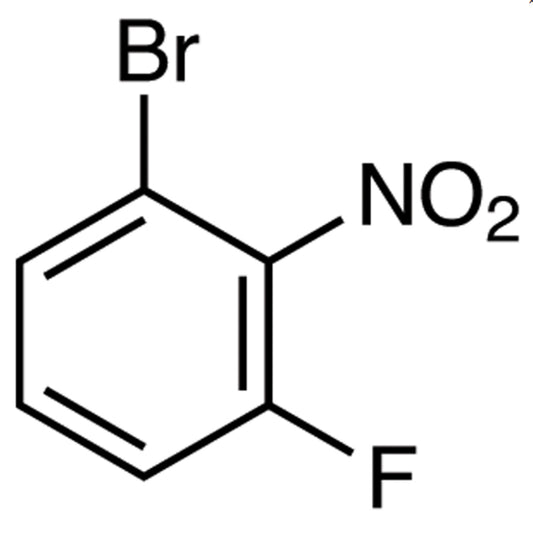
1-Bromo-3-fluoro-2-nitrobenzene TCI B4842
Regular price From Rp 1.273.650,00Regular price -
N2-(tert-Butoxycarbonyl)-4-fluoro-1,2-phenylenediamine TCI B4237
Regular price From Rp 980.700,00Regular price