Heptanoic Acid (TCI H0030), with CAS number 111-14-8, is an essential organic compound widely used in laboratory experiments across various chemical disciplines. As a non-heterocyclic building block, it plays a crucial role in the synthesis of more complex molecules, particularly in organic and analytical chemistry. Its simple molecular structure makes it a versatile reagent for chemical reactions such as esterification and hydrolysis. This compound is commonly used as a foundational material in the development of esters, fatty acids, and other derivatives, making it a staple in many research settings.
Heptanoic Acid is valued for its chemical stability under controlled conditions, which allows it to be used in a range of experimental setups. Its mild corrosive properties and sharp odor require careful handling, but its predictable chemical behavior makes it a preferred choice for many researchers. The compound’s compatibility with moderate to elevated temperatures enhances its utility in various synthetic processes. Its availability in multiple packaging options ensures that it can be easily adapted to different experimental scales, from small-scale research to larger industrial applications.
In Indonesian laboratories, Heptanoic Acid is frequently utilized in chemical synthesis and analytical studies. It is a common component in organic chemistry research, where it serves as a starting material for the creation of more complex compounds. Its reliability and availability make it a go-to reagent for both academic and industrial researchers. Due to its well-documented properties and consistent performance, it remains a key element in the chemical toolkit of Indonesian laboratories.
- Organic synthesis experiments benefit from Heptanoic Acid as a reliable building block for ester and fatty acid derivations.
- Analytical chemistry uses Heptanoic Acid for standardization and calibration of chromatographic and spectroscopic techniques.
- Industrial chemical processes incorporate Heptanoic Acid for the production of specialty chemicals and pharmaceutical intermediates.
- Educational laboratories rely on Heptanoic Acid for teaching fundamental chemical reactions and reaction mechanisms.
- Environmental studies employ Heptanoic Acid as a reference compound in the analysis of organic pollutants and degradation processes.
| Brand | TCI |
|---|---|
| CAS number | 111-14-8 |
| Molecular formula | — |
| Purity | — |
| Category | Chemistry > Building Blocks > Non-Heterocyclic Building Blocks |
| Pack sizes | Available in various sizes to suit different experimental needs |
| Physical form | Solid or liquid, depending on the packaging and storage conditions |
| Storage | — |
Heptanoic Acid should be stored in a cool, dry, and well-ventilated area away from direct sunlight. It is recommended to use sealed containers made of glass or high-density polyethylene to prevent exposure to air and moisture. Due to its mild corrosive nature, it should be handled with appropriate personal protective equipment, including gloves and safety goggles. In laboratory settings, it is important to ensure proper ventilation to mitigate the effects of its sharp odor. Storage should be in a location that is inaccessible to children and unauthorized personnel. Regular monitoring of storage conditions is advised to maintain the compound’s integrity and safety.
—
Produk Terkait
-
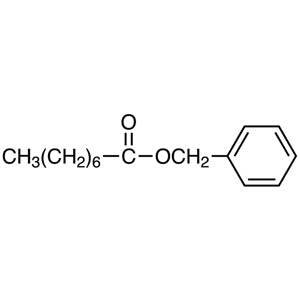
BenzylOctanoate TCI B6116
Regular price Rp 1.538.250,00Regular price -
tert-Butyl4-Bromobutanoate TCI B6167
Regular price Rp 2.439.150,00Regular price -
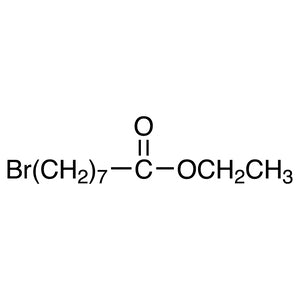
Ethyl8-Bromooctanoate TCI B6430
Regular price From Rp 928.200,00Regular price -
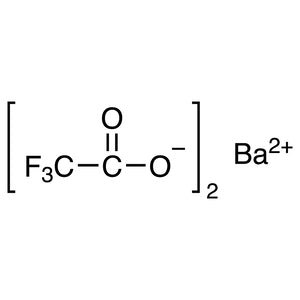
Barium(II)Trifluoroacetate TCI B6582
Regular price From Rp 2.068.500,00Regular price -
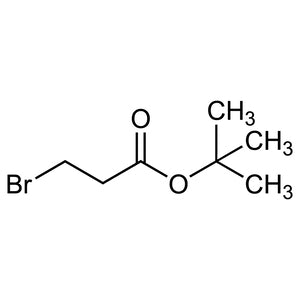
tert-Butyl3-Bromopropanoate TCI B6840
Regular price From Rp 2.545.200,00Regular price -
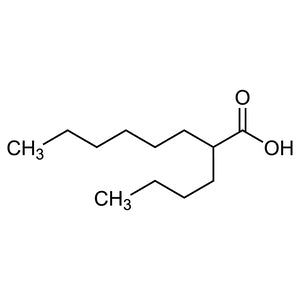
2-ButyloctanoicAcid TCI B6845
Regular price From Rp 848.400,00Regular price -
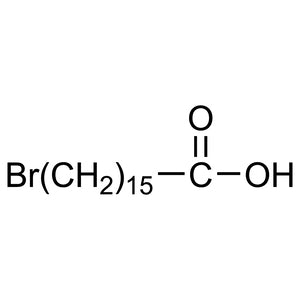
16-BromohexadecanoicAcid TCI B6915
Regular price From Rp 1.378.650,00Regular price -
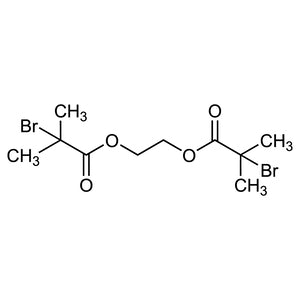
EthyleneBis(2-bromoisobutyrate) TCI B7067
Regular price From Rp 1.829.100,00Regular price