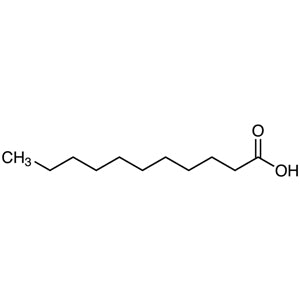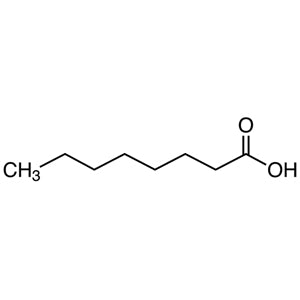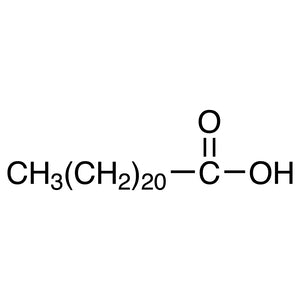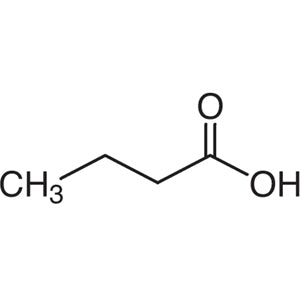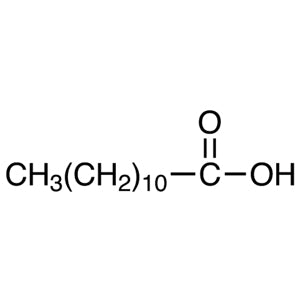
Lauric acid, identified as TCI L0011 with CAS number 143-07-7, is a widely used chemical compound in laboratory settings. It belongs to the category of non-heterocyclic building blocks and is essential in organic synthesis experiments. This compound is commonly employed in chemical research due to its structural simplicity and chemical versatility. Its role in laboratories spans from basic chemical reactions to more complex molecular transformations, making it a fundamental reagent in many chemical processes.
Lauric acid is prized for its chemical stability and predictable behavior under various reaction conditions. It is a solid at room temperature with a relatively high melting point, which makes it suitable for storage and handling in standard laboratory environments. Its non-toxic nature in small doses also contributes to its safety profile, allowing it to be used in controlled laboratory settings without significant health risks. These properties make it an ideal choice for both educational and research purposes.
In Indonesian laboratories, lauric acid is frequently used in educational institutions and research facilities. It plays a vital role in teaching chemical principles and conducting experiments related to organic chemistry. Its applications range from basic chemical synthesis to more advanced analytical techniques, supporting both academic and industrial research efforts in the region.
TCI brochures (PDF)
- Colloidal Quantum Dot (QD) Research Reagents 2026-05-21 · p. 3
- Lipids 2025-12-17 · p. 4
- Building Blocks for Organic Semiconductor 2026-03-24 · p. 42
- Organic synthesis experiments benefit from lauric acid due to its structural simplicity and reactivity, allowing for the creation of complex organic compounds.
- Surfactant and soap production in chemical laboratories utilizes lauric acid as a key raw material, contributing to the formation of stable emulsions and foaming agents.
- Pharmaceutical research often incorporates lauric acid as an active ingredient or excipient, aiding in the development of various drug formulations.
- Physical and chemical property testing in laboratories relies on lauric acid to evaluate the behavior of other compounds under different conditions.
- Purification and characterization of organic compounds in analytical chemistry utilize lauric acid as a reference or auxiliary material for accurate results.
| Brand | TCI |
|---|---|
| CAS number | 143-07-7 |
| Molecular formula | — |
| Purity | — |
| Category | Chemistry > Building Blocks > Non-Heterocyclic Building Blocks |
| Pack sizes | — |
| Physical form | Solid at room temperature |
| Storage | Store in a cool, dry place away from direct sunlight |
Lauric acid should be stored in a cool, dry environment to maintain its chemical stability and prevent degradation. It is recommended to keep the material in airtight containers to minimize exposure to moisture and air, which could affect its properties over time. Since it is a solid at room temperature, it does not require refrigeration but should be protected from extreme temperatures. In laboratory settings, it is important to handle lauric acid with care, using appropriate personal protective equipment such as gloves and safety goggles. Its non-toxic nature in small doses makes it relatively safe, but standard laboratory safety protocols should still be followed to ensure a secure working environment.
—
Product Categories
Produk Terkait
-
UndecanoicAcid TCI U0004
Regular price From Rp 1.008.000,00Regular priceRp 720.300,00Sale price From Rp 1.008.000,00 -
NonanoicAcid TCI P0952
Regular price From Rp 530.250,00Regular priceRp 386.400,00Sale price From Rp 530.250,00 -
n-OctanoicAcid TCI O0027
Regular price From Rp 557.550,00Regular priceRp 405.300,00Sale price From Rp 557.550,00 -
HeptanoicAcid TCI H0030
Regular price From Rp 557.550,00Regular priceRp 405.300,00Sale price From Rp 557.550,00 -
DecanoicAcid TCI D0017
Regular price From Rp 530.250,00Regular priceRp 386.400,00Sale price From Rp 530.250,00 -
ValericAcid TCI V0003
Regular price From Rp 610.050,00Regular priceRp 426.300,00Sale price From Rp 610.050,00 -
BehenicAcid TCI B1747
Regular price Rp 4.028.850,00Regular priceRp 2.832.900,00Sale price Rp 4.028.850,00 -
ButyricAcid TCI B0754
Regular price From Rp 477.750,00Regular priceRp 333.900,00Sale price From Rp 477.750,00