Nonanoic Acid (TCI P0952) is a key organic compound widely utilized in laboratory experiments across various scientific disciplines. As a fundamental building block in chemical synthesis, it plays a crucial role in the development of more complex molecules. Its simple molecular structure enables it to participate in essential chemical reactions such as esterification, reduction, and substitution. This versatility makes it a valuable resource for researchers and educators alike. Nonanoic Acid is commonly used as a precursor in the production of esters, fatty acids, and aromatic compounds, contributing to the advancement of chemical research and industrial applications.
The chemical properties of Nonanoic Acid make it a preferred choice for laboratory use. It is chemically stable and does not react spontaneously, ensuring safe handling and long-term storage. The compound is colorless and has a distinct odor, which aids in identification. Its relatively high boiling point allows it to be suitable for reactions requiring elevated temperatures. These characteristics ensure that it remains a reliable and consistent material for a wide range of experimental setups.
In Indonesian laboratories, Nonanoic Acid is frequently used in chemical research, educational settings, and industrial applications. It is an essential component in chemistry, pharmacy, and materials science programs. Its availability and reliability make it a go-to material for both academic and applied research, supporting the development of new compounds and technologies. Its role in laboratory work is critical, especially in the synthesis of organic compounds and the study of chemical reactions.
TCI brochures (PDF)
- Colloidal Quantum Dot (QD) Research Reagents 2026-05-21 · p. 3
- Lipids 2025-12-17 · p. 4
- Building Blocks for Organic Semiconductor 2026-03-24 · p. 41
- Reagents for Biological Research 2025-03-11 · p. 63
- Chemical synthesis applications benefit from Nonanoic Acid due to its role in esterification and other organic reactions.
- Educational institutions use it to teach fundamental organic chemistry principles and reaction mechanisms.
- Pharmaceutical research relies on Nonanoic Acid for the development of new compounds and drug formulations.
- Industrial laboratories employ it in the production of fatty acids and aromatic derivatives for various applications.
- Materials science research utilizes Nonanoic Acid to create and study new polymer and composite materials.
| Brand | TCI |
|---|---|
| CAS number | 112-05-0 |
| Molecular formula | — |
| Purity | — |
| Category | Chemistry > Building Blocks > Non-Heterocyclic Building Blocks |
| Pack sizes | Available in various quantities as per supplier specifications |
| Physical form | Liquid |
| Storage | Store in a cool, dry place away from direct sunlight |
Nonanoic Acid should be stored in a cool, dry environment to maintain its chemical stability. It is recommended to keep it in a sealed container to prevent exposure to air and moisture. The compound is non-reactive under normal conditions, but it should be handled with care to avoid direct contact with skin or inhalation of vapors. Suitable containers for storage include glass or high-density polyethylene bottles. In laboratory settings, it is important to ensure proper ventilation and to follow standard safety protocols when working with organic solvents. Regular inspection of storage conditions and containers is advised to maintain the integrity of the material.
—
Product Categories
Produk Terkait
-
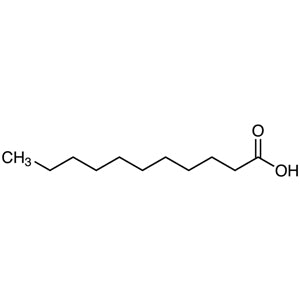
UndecanoicAcid TCI U0004
Regular price From Rp 1.008.000,00Regular priceRp 720.300,00Sale price From Rp 1.008.000,00 -
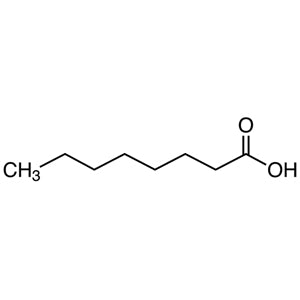
n-OctanoicAcid TCI O0027
Regular price From Rp 557.550,00Regular priceRp 405.300,00Sale price From Rp 557.550,00 -
LauricAcid TCI L0011
Regular price From Rp 557.550,00Regular priceRp 405.300,00Sale price From Rp 557.550,00 -
HeptanoicAcid TCI H0030
Regular price From Rp 557.550,00Regular priceRp 405.300,00Sale price From Rp 557.550,00 -
DecanoicAcid TCI D0017
Regular price From Rp 530.250,00Regular priceRp 386.400,00Sale price From Rp 530.250,00 -
ValericAcid TCI V0003
Regular price From Rp 610.050,00Regular priceRp 426.300,00Sale price From Rp 610.050,00 -
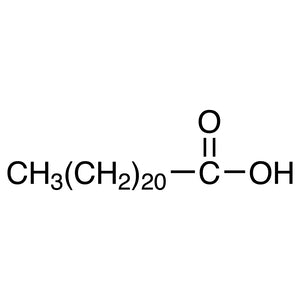
BehenicAcid TCI B1747
Regular price Rp 4.028.850,00Regular priceRp 2.832.900,00Sale price Rp 4.028.850,00 -
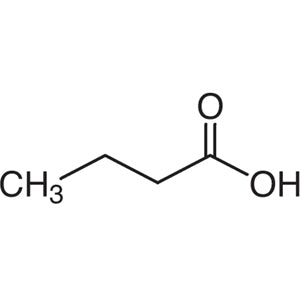
ButyricAcid TCI B0754
Regular price From Rp 477.750,00Regular priceRp 333.900,00Sale price From Rp 477.750,00