Acetoin is an organic compound with the chemical formula C₄H₈O₂, widely used in various laboratory applications across the chemical industry. It serves as a key building block in the synthesis of complex carbon structures, particularly in reactions involving the formation of heterocyclic and aromatic compounds. In laboratory settings, acetoin is valued for its versatility and stability, making it a fundamental component in organic chemistry research. Its ability to react with a wide range of functional groups allows it to be a preferred choice for chemists seeking reliable and consistent results in their experiments.
Acetoin is known for its chemical stability, with a boiling point of approximately 138°C and a melting point of around 48°C. It is non-toxic in small doses and has a distinctive aroma, which aids in its identification during laboratory work. Its solubility in organic solvents such as ethanol and ether further enhances its usability in various experimental procedures. These properties make acetoin a reliable and practical material for both small-scale and large-scale laboratory experiments.
In Indonesian laboratories, acetoin is commonly used in organic synthesis and analytical chemistry. Its availability and favorable chemical properties make it a staple in academic and industrial research settings. It is frequently employed in the development of new compounds and in the testing of chemical reactions, supporting a wide range of scientific investigations. Its role in laboratory work is essential, contributing to the advancement of chemical research in Indonesia.
Related TCI products
- TCI H0511 1071-73-4 5-Hydroxy-2-pentanone (mixture of monomer and dimer)
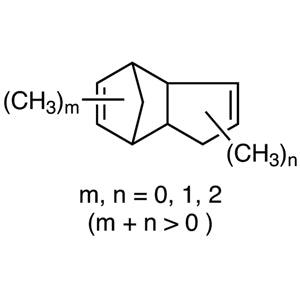
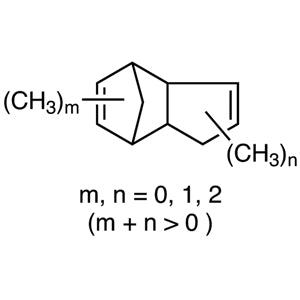
- TCI M2705 Methylcyclopentadiene Dimer (so called) (stabilized with BHT)
- TCI M0920 Methylcyclopentadiene Dimer (so called) (stabilized with TBC)
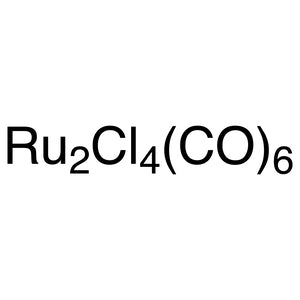
- TCI T3812 22594-69-0 Tricarbonyldichlororuthenium(II) Dimer
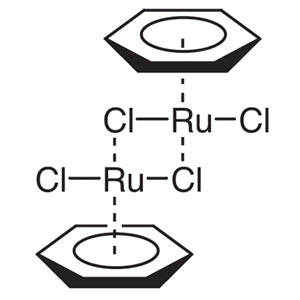
- TCI B1902 37366-09-9 Benzeneruthenium(II) Chloride Dimer
- TCI B1045 12092-47-6 Chloro(1,5-cyclooctadiene)rhodium(I) Dimer
- Acetoin is widely used in organic synthesis for the preparation of complex molecules due to its reactivity and stability.
- It is commonly employed in the synthesis of heterocyclic compounds, where its structural versatility supports the formation of various ring systems.
- Acetoin is utilized in analytical chemistry for standardization and calibration of chemical instruments due to its known properties.
- It plays a role in the development of pharmaceutical compounds, where its chemical behavior is essential for drug synthesis.
- Acetoin is used in fragrance and flavor chemistry for the creation of synthetic aroma compounds due to its pleasant odor.
| Brand | TCI |
|---|---|
| CAS number | 513-86-0 |
| Molecular formula | — |
| Purity | — |
| Category | Chemistry > Building Blocks > Non-Heterocyclic Building Blocks |
| Pack sizes | Available in various quantities as per supplier specifications |
| Physical form | May exist as crystalline dimer |
| Storage | Store in a cool, dry place away from direct sunlight |
Acetoin should be stored in a cool, dry place, away from direct sunlight and sources of heat. It is recommended to use sealed containers to prevent exposure to moisture and air, which may affect its stability. While acetoin is non-toxic in small doses, it is advisable to handle it with standard laboratory precautions, such as using gloves and working in a well-ventilated area. Proper labeling of containers is essential to ensure safe handling and prevent accidental contamination. Regular monitoring of storage conditions will help maintain the integrity of the material for laboratory use.
—
Produk Terkait
-
5-Hydroxy-2-pentanone(mixtureofmonomeranddimer) TCI H0511
Regular price From Rp 2.227.050,00Regular price -
MethylcyclopentadieneDimer(socalled)(stabilizedwithBHT) TCI M2705
Regular price From Rp 689.850,00Regular price -
MethylcyclopentadieneDimer(socalled)(stabilizedwithTBC) TCI M0920
Regular price Rp 769.650,00Regular price -
Tricarbonyldichlororuthenium(II)Dimer TCI T3812
Regular price Rp 4.584.300,00Regular price -
Benzeneruthenium(II)ChlorideDimer TCI B1902
Regular price From Rp 5.062.050,00Regular price -
Chloro(1,5-cyclooctadiene)rhodium(I)Dimer TCI B1045
Regular price From Rp 2.889.600,00Regular price -
Allylpalladium(II)ChlorideDimer TCI A1479
Regular price From Rp 2.306.850,00Regular price -
Rhodium(II)PivalateDimer TCI R0276
Regular price From Rp 3.630.900,00Regular price