Hordenine is a phenethylamine-class alkaloid that occurs naturally in barley sprouts and in a number of other plants, including several species of cactus. Structurally, the compound is a tyramine derivative whose nitrogen atom carries two methyl groups, placing it in the tertiary amine class while retaining a phenolic group on the aromatic ring. In the laboratory, hordenine is most often used as an analytical reference material and as a test substance in phytochemical research, because its presence in plant material, food products, and animal feed needs to be identified and quantified against a reference compound of clearly established identity.
The characteristic that makes hordenine a preferred choice is the combination of a phenolic group and a tertiary amine within a single molecule, which makes the compound practically amphoteric: it can form salts with acids through its nitrogen and can be deprotonated at its phenolic group under basic conditions. This behaviour influences solubility, extraction performance, and retention time in chromatography, so pH adjustment becomes an important part of any analytical method built around it. The phenolic group also provides useful ultraviolet absorption for detection purposes.
The material is supplied as a solid, which makes weighing for the preparation of standard solutions straightforward using an ordinary analytical balance. In Indonesian laboratories this item is typically handled in university chemistry and pharmacy departments, food and feed testing laboratories, and natural product research groups, where a well-characterised reference substance is needed to support method development, routine identification work, and the quantification of alkaloid content in plant-derived samples.
- Analytical reference standard for chromatographic identification, where a clearly identified reference compound is required to confirm peak identity in plant, food, and feed samples.
- Quantification of alkaloid content in plant material, since a defined solid reference allows calibration curves to be prepared by direct weighing on an analytical balance.
- Phytochemical research on barley sprouts and cactus species, where hordenine serves as a test substance for studying the occurrence and distribution of phenethylamine alkaloids.
- Method development and pH optimisation studies, because the amphoteric character of the molecule makes it a useful probe for evaluating extraction recovery and retention behaviour.
- Ultraviolet detection method validation, as the phenolic group provides absorption in the ultraviolet region that supports the development of detection parameters for related compounds.
| Brand | TCI |
|---|---|
| CAS number | 539-15-1 |
| Molecular formula | — |
| Purity | — |
| Category | Life Science > Biochemicals and Reagents > Alkaloids |
| Pack sizes | available in the standard catalogue pack sizes offered by TCI for this item |
| Physical form | solid |
| Storage | — |
- Product code: H1351
Store the container tightly closed in a cool, dry place away from direct sunlight, following the storage conditions stated on the manufacturer label and safety data sheet. Keep the material in its original supplier container, or transfer it to a clean, well-sealed glass or chemically compatible container that is clearly labelled with the compound name and CAS number. Handle the solid in a well-ventilated area or fume hood, using gloves, safety glasses, and a laboratory coat, and avoid generating dust during weighing. As with any alkaloid reference substance, avoid inhalation and skin contact, keep the container closed when not in use to prevent moisture uptake, and consult the safety data sheet before first use and before disposal of residues.
—
Produk Terkait
-
D-(-)-Arabinose TCI A0513
Regular price From Rp 1.140.300,00Regular price -
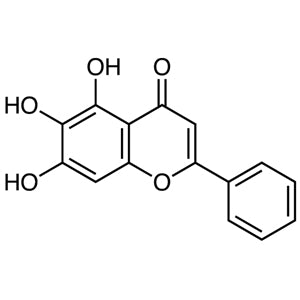
Baicalein TCI T2721
Regular price From Rp 3.100.650,00Regular price -
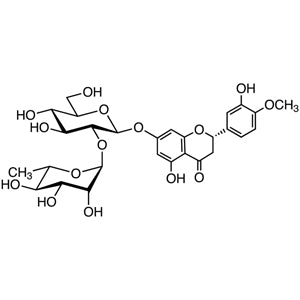
Neohesperidin TCI N1121
Regular price Rp 3.658.200,00Regular price -
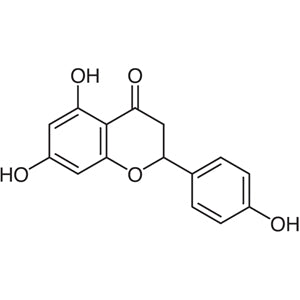
Naringenin TCI N0072
Regular price From Rp 1.326.150,00Regular price -
MetforminHydrochloride TCI M2009
Regular price From Rp 1.936.200,00Regular price -
Hesperidin TCI H0049
Regular price From Rp 1.220.100,00Regular price -
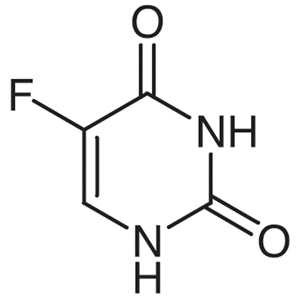
5-Fluorouracil TCI F0151
Regular price From Rp 903.000,00Regular price -
Ciprofloxacin TCI C2510
Regular price From Rp 980.700,00Regular price