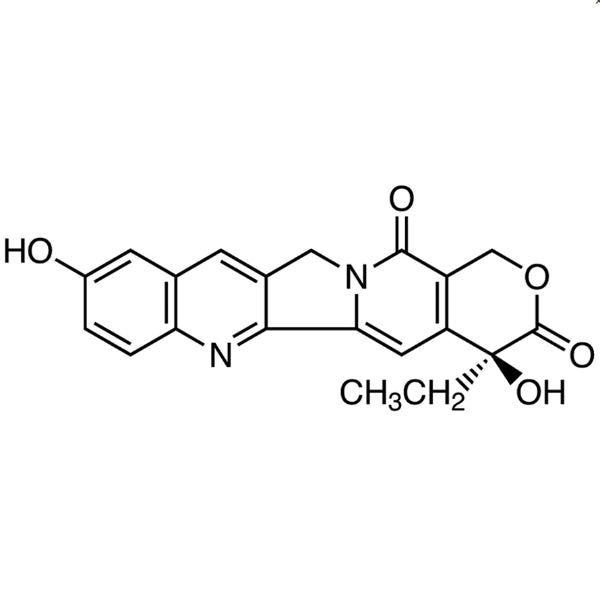
10-Hydroxycamptothecin is a chemical compound classified under alkaloids, with the CAS number 19685-09-7. It plays a crucial role in biochemical and pharmacological research due to its significant anti-cancer properties. This compound is widely used in laboratories for studying drug mechanisms and developing cancer therapies. Its ability to interact with specific biological targets makes it an essential tool for researchers aiming to understand cellular processes and disease progression.
The compound is preferred for its unique ability to inhibit topoisomerase I, a key enzyme involved in DNA replication. This property makes it highly effective in slowing down the growth of cancer cells. Additionally, its complex molecular structure allows for targeted interactions with biological systems, enhancing its utility in various experimental setups. The stability of 10-Hydroxycamptothecin under certain conditions further supports its application in diverse laboratory environments.
In Indonesian laboratories, 10-Hydroxycamptothecin is commonly used in both clinical and basic research. It is a vital component in studies exploring pharmacological effects and drug mechanisms. Many research institutions and universities rely on this compound to advance their understanding of cancer biology and therapeutic development. Its consistent performance and reliability make it a trusted choice for scientific investigations in Indonesia.
TCI brochures (PDF)
- Alkaloids 2025-10-10 · p. 5
- Antimicrobials and Antitumor Agents for Research and Experimental Use 2025-04-24 · p. 15
- Pharmaceutical Ingredients for Research and Experimental Use 2026-03-09 · p. 16
- Cancer research and drug development due to its ability to inhibit topoisomerase I, which is crucial in DNA replication and cell division.
- Biochemical studies focused on understanding the molecular mechanisms of anti-cancer agents and their interactions with cellular targets.
- Pharmacological investigations aimed at evaluating the efficacy and mechanism of action of potential therapeutic compounds.
- Enzyme activity assays to measure the inhibitory effects of 10-Hydroxycamptothecin on topoisomerase I in various experimental models.
- Clinical research applications for assessing the compound's potential in improving cancer treatment strategies and patient outcomes.
| Brand | TCI |
|---|---|
| CAS number | 19685-09-7 |
| Molecular formula | — |
| Purity | — |
| Category | Life Science > Biochemicals and Reagents > Alkaloids |
| Pack sizes | — |
| Physical form | — |
| Storage | Store in a cool, dry place away from light and moisture |
10-Hydroxycamptothecin should be stored in a cool, dry place, away from light and moisture to maintain its stability and effectiveness. It is recommended to use airtight containers to prevent exposure to air and contaminants. Due to its chemical nature, it should be handled with appropriate personal protective equipment, such as gloves and safety goggles, to ensure laboratory safety. Proper ventilation is essential when working with this compound to minimize inhalation risks. Regular monitoring of storage conditions is advised to ensure the compound remains in optimal condition for research use. All handling should follow standard laboratory safety protocols to prevent any potential hazards.
—
Product Categories
- Biochemicals and ReagentsAlkaloidsQuinoline Alkaloids
- Biochemicals and ReagentsPharmaceutical Research Reagents (for Experimental Use)Antitumor Research Reagents (for Experimental Use)
- Cell BiologyCancer ResearchAntitumor Agents for Research
- Pharmaceutical Development and Drug Discovery ResearchPharmaceutical Research Reagents (for Experimental Use)Antitumor Research Reagents (for Experimental Use)
Produk Terkait
-
7-Ethyl-10-hydroxycamptothecin TCI E0748
Regular price From Rp 3.710.700,00Regular price -
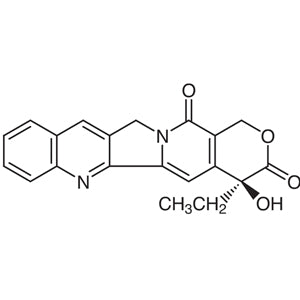
(S)-(+)-Camptothecin TCI C1495
Regular price From Rp 717.150,00Regular price -
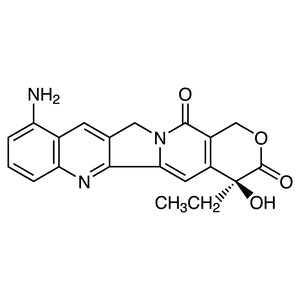
9-Aminocamptothecin TCI A2063
Regular price Rp 8.082.900,00Regular price -
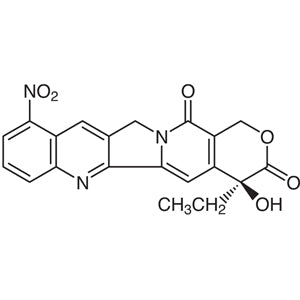
9-Nitrocamptothecin TCI N0822
Regular price Rp 7.764.750,00Regular price -
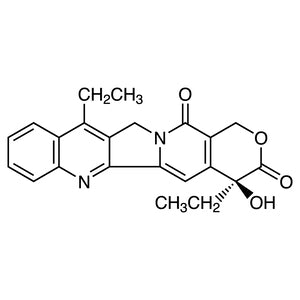
7-Ethylcamptothecin TCI E0781
Regular price From Rp 1.326.150,00Regular price -
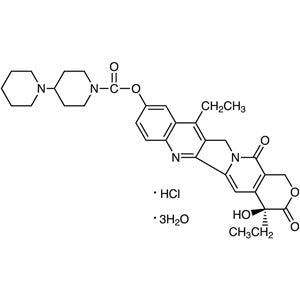
IrinotecanHydrochlorideTrihydrate TCI I0714
Regular price Rp 6.811.350,00Regular price -
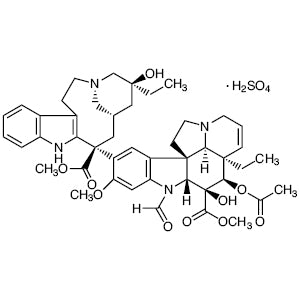
VincristineSulfate TCI V0129
Regular price Rp 4.584.300,00Regular price -
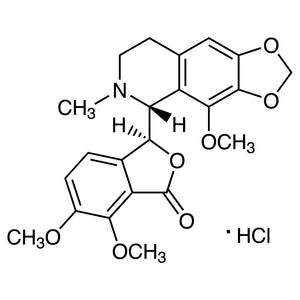
NoscapineHydrochloride TCI N0963
Regular price Rp 3.340.050,00Regular price