Isohexane, with the CAS number 73513-42-5, is a chemical compound classified within the group of alkanes. It is a mixture of isomeric branched-chain hexanes, which share a similar molecular structure to hexane but differ in their branched configurations. This compound plays a crucial role in laboratory settings as a non-polar solvent, particularly in organic chemistry experiments. Its utility extends to various processes such as extraction and separation of organic compounds due to its inert nature and ability to dissolve non-polar substances.
One of the key properties that make isoheksane a preferred choice in laboratories is its non-polarity and high volatility. These characteristics make it ideal for applications that require precise separation based on polarity, such as distillation and chromatography. Additionally, isoheksane is chemically inert, meaning it does not react with most chemical substances, thereby minimizing the risk of side reactions during experiments. Its lack of functional groups also ensures that it does not alter the chemical properties of the substances it dissolves.
In Indonesian laboratories, isoheksane is widely used across various fields of organic chemistry. It is commonly found in research and development settings where solvents are required for purification, crystallization, and spectroscopic analysis. Its reliability and consistent performance make it a trusted choice for both academic and industrial applications in the region.
Related TCI products
- TCI D0988 25265-78-5 Dodecylbenzene (hard type) (mixture of branched chain isomers)
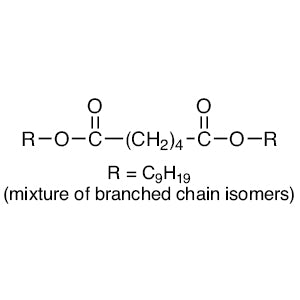
- TCI A1387 33703-08-1 Diisononyl Adipate (mixture of branched chain isomers)
- TCI T0456 7756-94-7 Triisobutylene (mixture of branched chain isomer)
- TCI T0170 26544-38-7 Tetrapropenylsuccinic Anhydride (mixture of branched chain isomers)
- TCI T0098 112-57-2 Tetraethylenepentamine (mixture of branched chain isomers and cyclic compounds)
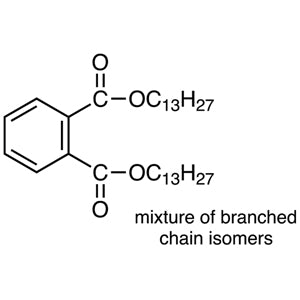
- TCI P0307 75359-31-8 Ditridecyl Phthalate (mixture of branched chain isomers)
- Organic synthesis experiments benefit from isoheksane as a non-polar solvent, allowing for the dissolution of hydrophobic compounds without altering their chemical properties.
- Extraction processes in analytical chemistry utilize isoheksane to isolate and purify organic compounds from complex mixtures due to its low polarity and high solvency power.
- Chromatographic techniques rely on isoheksane for its ability to separate compounds based on their polarity, making it suitable for gas chromatography and thin-layer chromatography.
- Distillation procedures in chemical processing use isoheksane as a volatile solvent, enabling efficient separation of volatile organic compounds from non-volatile components.
- Sample preparation for spectroscopic analysis often involves isoheksane to dissolve and concentrate compounds, ensuring accurate and reproducible results in techniques like NMR and IR spectroscopy.
| Brand | TCI |
|---|---|
| CAS number | 73513-42-5 |
| Molecular formula | — |
| Purity | — |
| Category | Chemistry > Building Blocks > Non-Heterocyclic Building Blocks |
| Pack sizes | Available in various sizes as per standard laboratory supply |
| Physical form | Liquid |
| Storage | Store in a cool, dark place away from heat and direct sunlight |
Isoheksane should be stored in a cool, dark place, away from heat and direct sunlight to maintain its stability and prevent degradation. It is recommended to use sealed, airtight containers made of materials such as glass or high-density polyethylene to minimize exposure to air and moisture. Due to its high volatility, proper ventilation is essential in laboratory environments to ensure safe handling. As a non-polar solvent, isoheksane does not react with most substances, but it should be kept away from strong oxidizing agents and incompatible materials. Always follow standard laboratory safety protocols when handling and storing this compound to ensure the safety of personnel and the integrity of the material.
—
Produk Terkait
-
Dodecylbenzene(hardtype)(mixtureofbranchedchainisomers) TCI D0988
Regular price From Rp 637.350,00Regular price -
DiisononylAdipate(mixtureofbranchedchainisomers) TCI A1387
Regular price From Rp 584.850,00Regular price -
Triisobutylene(mixtureofbranchedchainisomer) TCI T0456
Regular price From Rp 980.700,00Regular price -
TetrapropenylsuccinicAnhydride(mixtureofbranchedchainisomers) TCI T0170
Regular price From Rp 505.050,00Regular price -
Tetraethylenepentamine(mixtureofbranchedchainisomersandcycliccompounds) TCI T0098
Regular price From Rp 505.050,00Regular price -
DitridecylPhthalate(mixtureofbranchedchainisomers) TCI P0307
Regular price Rp 477.750,00Regular price -
NonenylsuccinicAnhydride(mixtureofbranchedchainisomers) TCI N0350
Regular price From Rp 823.200,00Regular price -
4-Nonylphenol(mixtureofbranchedchainisomers) TCI N0300
Regular price From Rp 505.050,00Regular price