Triisobutylene (mixture of branched chain isomer), with CAS number 7756-94-7, is a chemical compound widely used as a building block in various chemical reactions. This material is essential in organic chemistry for its structural versatility and reactivity, enabling the synthesis of complex organic molecules. As a non-heterocyclic building block, it plays a crucial role in the development of new chemical compounds and is commonly found in research laboratories across Indonesia. Its unique molecular structure allows it to participate in multiple reaction types, making it a valuable resource for chemists.
The compound is known for its chemical stability and resistance to spontaneous reactions, which makes it a preferred choice in high-security laboratory environments. Its branched chain isomer structure contributes to its reactivity in substitution and polymerization reactions, offering chemists greater control over the synthesis process. The non-reactive nature of Triisobutylene ensures that it remains stable under normal laboratory conditions, reducing the risk of unintended chemical interactions. This stability is particularly important when working with sensitive or reactive compounds.
In Indonesian laboratories, Triisobutylene is commonly used in the synthesis of branched-chain organic compounds. It is a key component in the development of pharmaceuticals and industrial chemicals, supporting research in both academic and industrial settings. Its application extends to the creation of new chemical products, where its structural properties are leveraged to achieve desired molecular configurations. This compound is an essential tool for organic chemists in Indonesia, facilitating the advancement of chemical research and innovation.
Related TCI products
- TCI I0147 25167-70-8 Diisobutylene (mixture of isomers) (stabilized with BHT)
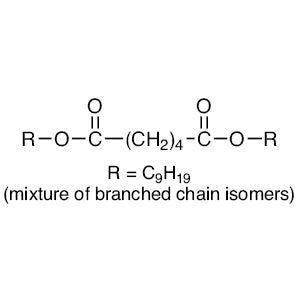
- TCI A1387 33703-08-1 Diisononyl Adipate (mixture of branched chain isomers)
- TCI T0651 25498-49-1 Tripropylene Glycol Monomethyl Ether (mixture of isomer)
- TCI T0170 26544-38-7 Tetrapropenylsuccinic Anhydride (mixture of branched chain isomers)
- TCI T0098 112-57-2 Tetraethylenepentamine (mixture of branched chain isomers and cyclic compounds)
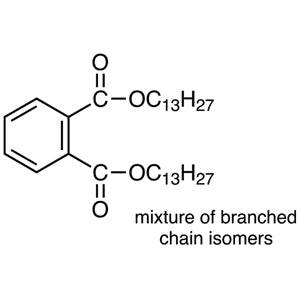
- TCI P0307 75359-31-8 Ditridecyl Phthalate (mixture of branched chain isomers)
- Organic synthesis of branched-chain compounds due to its structural versatility and reactivity.
- Polymerization reactions where branched chain structures are required for specific material properties.
- Development of pharmaceutical intermediates requiring precise molecular configurations.
- Research in industrial chemistry for the creation of new chemical products and materials.
- Support for chemical reactions that require stable, non-reactive building blocks in controlled environments.
| Brand | TCI |
|---|---|
| CAS number | 7756-94-7 |
| Molecular formula | — |
| Purity | — |
| Category | Chemistry > Building Blocks > Non-Heterocyclic Building Blocks |
| Pack sizes | Available in standard laboratory quantities |
| Physical form | Liquid |
| Storage | Store in a cool, dry place away from direct sunlight |
Triisobutylene should be stored in a cool, dry location away from direct sunlight to maintain its chemical stability. It is recommended to use sealed containers made of materials compatible with organic solvents to prevent evaporation and contamination. Due to its non-reactive nature, it does not require special handling under normal laboratory conditions. However, it is important to ensure proper ventilation when working with this compound to avoid any potential exposure. Always keep the container tightly closed when not in use to maintain its integrity and prevent any unintended interactions with other substances in the laboratory environment.
—
Produk Terkait
-
Diisobutylene(mixtureofisomers)(stabilizedwithBHT) TCI I0147
Regular price From Rp 477.750,00Regular priceRp 333.900,00Sale price From Rp 477.750,00 -
DiisononylAdipate(mixtureofbranchedchainisomers) TCI A1387
Regular price From Rp 584.850,00Regular priceRp 408.450,00Sale price From Rp 584.850,00 -
TripropyleneGlycolMonomethylEther(mixtureofisomer) TCI T0651
Regular price From Rp 505.050,00Regular priceRp 368.550,00Sale price From Rp 505.050,00 -
TetrapropenylsuccinicAnhydride(mixtureofbranchedchainisomers) TCI T0170
Regular price From Rp 557.550,00Regular priceRp 405.300,00Sale price From Rp 557.550,00 -
Tetraethylenepentamine(mixtureofbranchedchainisomersandcycliccompounds) TCI T0098
Regular price From Rp 505.050,00Regular priceRp 352.800,00Sale price From Rp 505.050,00 -
DitridecylPhthalate(mixtureofbranchedchainisomers) TCI P0307
Regular price Rp 477.750,00Regular priceRp 333.900,00Sale price Rp 477.750,00 -
5-Norbornene-2,3-dimethanol(mixtureofendo-andexo-,predominantlyendo-isomer) TCI N0764
Regular price From Rp 2.068.500,00Regular priceRp 1.461.600,00Sale price From Rp 2.068.500,00 -
NonenylsuccinicAnhydride(mixtureofbranchedchainisomers) TCI N0350
Regular price From Rp 875.700,00Regular priceRp 627.900,00Sale price From Rp 875.700,00