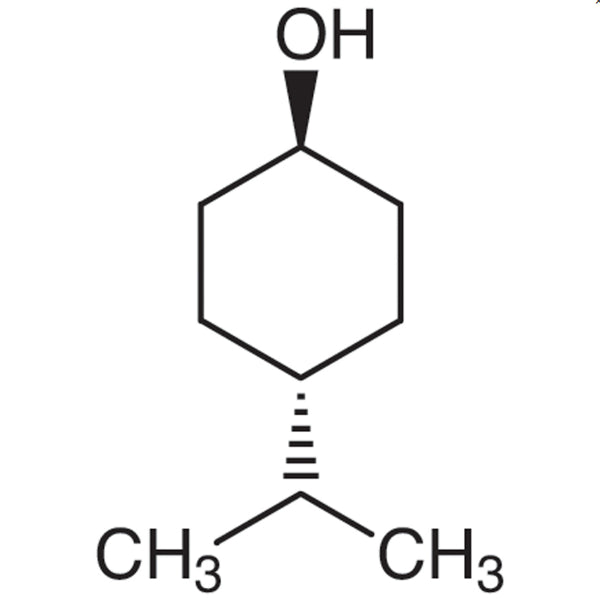
Trans-4-Isopropylcyclohexanol is a chemical compound widely used as a building block in laboratory settings. It serves as a foundational material in various chemical reactions, particularly in organic and pharmaceutical research. Its versatility allows it to participate in multiple synthetic pathways, making it an essential component for the development of complex molecules. This compound is commonly utilized in the synthesis of pharmaceutical intermediates and other specialized chemical products. Its role in laboratory processes is critical for researchers aiming to create new compounds with specific functional properties.
The compound’s molecular structure provides stability and predictable chemical behavior, which makes it a preferred choice for laboratory applications. Its cyclohexanol ring structure contributes to its reactivity, especially under substitution or oxidation conditions. This reactivity enables it to interact effectively with various functional groups, enhancing its utility in synthetic chemistry. The compound’s consistent performance and reliability make it a trusted material for both academic and industrial research. Its ability to integrate into diverse chemical systems ensures its continued relevance in modern chemical synthesis.
In Indonesian laboratories, trans-4-Isopropylcyclohexanol is frequently used in scientific research, particularly in organic chemistry and pharmaceutical development. It plays a key role in the creation of new compounds with potential medical or industrial applications. Its availability in the local market ensures that researchers and educational institutions can easily access this essential chemical for their experiments and studies.
Related TCI products
- TCI I0780 4621-04-9 4-Isopropylcyclohexanol (cis- and trans- mixture)
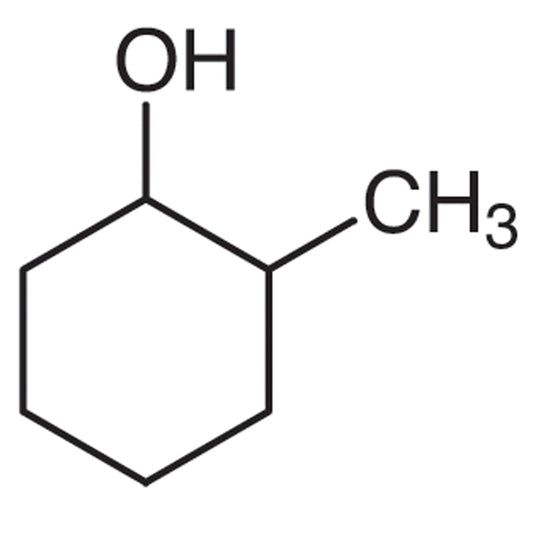
- TCI M0194 583-59-5 2-Methylcyclohexanol (cis- and trans- mixture)
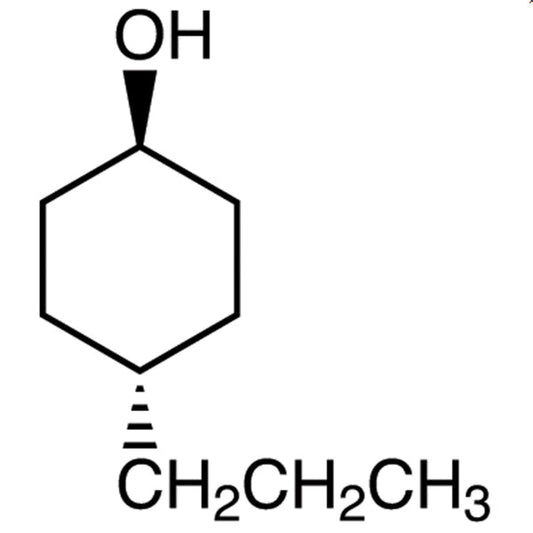
- TCI P1882 77866-58-1 trans-4-Propylcyclohexanol
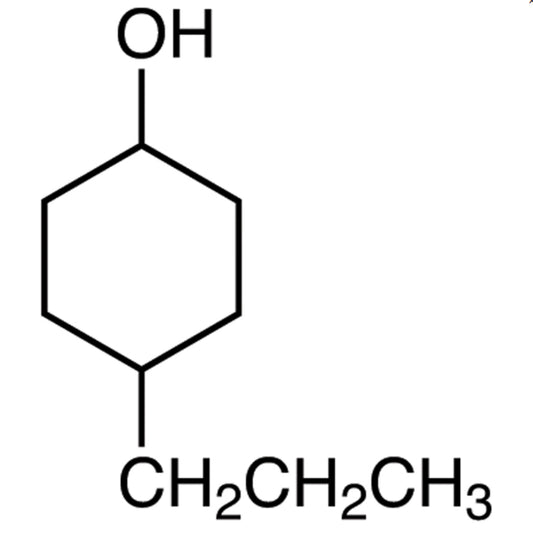
- TCI P1874 52204-65-6 4-Propylcyclohexanol (cis- and trans- mixture)
- TCI P1174 2362-61-0 trans-2-Phenyl-1-cyclohexanol
- TCI P0770 90676-25-8 2-Propylcyclohexanol (cis- and trans- mixture)
- Organic synthesis where it serves as a versatile intermediate for creating complex molecular structures.
- Pharmaceutical research for the development of new drug compounds and medicinal agents.
- Chemical engineering applications in the production of specialty chemicals and industrial materials.
- Academic research in universities and research institutes for teaching and experimental purposes.
- Industrial chemical processes requiring reliable and stable building blocks for compound development.
| Brand | TCI |
|---|---|
| CAS number | 15890-36-5 |
| Molecular formula | — |
| Purity | — |
| Category | Chemistry > Building Blocks > Non-Heterocyclic Building Blocks |
| Pack sizes | Available in various quantities to suit different laboratory needs |
| Physical form | Liquid |
| Storage | Store in a cool, dry place away from direct sunlight |
Trans-4-Isopropylcyclohexanol should be stored in a cool, dry environment, away from direct sunlight and sources of heat. It is recommended to use airtight containers made of materials compatible with its chemical properties, such as glass or high-density polyethylene. Proper labeling of containers is essential for safety and identification. Laboratory personnel should handle the compound with care, using appropriate personal protective equipment when necessary. Due to its chemical nature, it should be kept away from incompatible substances to prevent unwanted reactions. Regular inspection of storage conditions ensures the compound remains in optimal condition for use in research applications.
—
Produk Terkait
-
4-Isopropylcyclohexanol(cis-andtrans-mixture) TCI I0780
Regular price Rp 1.749.300,00Regular price -
2-Methylcyclohexanol(cis-andtrans-mixture) TCI M0194
Regular price From Rp 505.050,00Regular price -
trans-4-Propylcyclohexanol TCI P1882
Regular price Rp 2.809.800,00Regular price -
4-Propylcyclohexanol(cis-andtrans-mixture) TCI P1874
Regular price From Rp 795.900,00Regular price -
trans-2-Phenyl-1-cyclohexanol TCI P1174
Regular price From Rp 2.411.850,00Regular price -
2-Propylcyclohexanol(cis-andtrans-mixture) TCI P0770
Regular price From Rp 980.700,00Regular price -
1-Methoxy-4-(trans-4-propylcyclohexyl)benzene TCI M3152
Regular price From Rp 689.850,00Regular price -
trans-4-Methylcyclohexanol TCI M0354
Regular price Rp 2.359.350,00Regular price